K-beauty, AI Bio, Ultra-Precision Satellites... Second Phase of Ultra-Innovative Economy Initiative Announced
- Input
- 2025-10-20 07:40:00
- Updated
- 2025-10-20 07:40:00
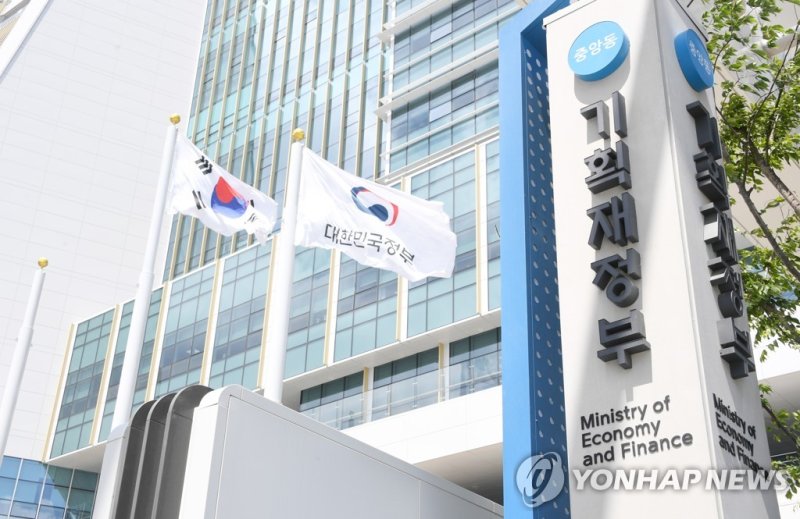
[Financial News] The government has selected five strategic projects—Smart Farming, Smart Fisheries Industry, Very High Resolution Satellite, AI Bio Open Ecosystem, and K-Beauty Integrated Cluster—as future industries and will provide comprehensive support. The plan aims to build the foundation for new industries by developing core technologies, establishing infrastructure, and attracting private investment in each sector, thereby enhancing national competitiveness and improving the economic structure.
On the 20th, the Ministry of Economy and Finance held the 'Growth Strategy Task Force and Council of Economic Ministers' meeting and announced the second initiative among the 15 Ultra-Innovative Economy Projects. This measure follows the first plan released in September, which focused on five areas including power semiconductors, graphene, and special carbon steel.
The second phase includes five key areas: Smart Farming, Smart Fisheries Industry, Very High Resolution Satellite, AI Bio Open Ecosystem, and K-Beauty Integrated Cluster.
Smart Farming, promoted in response to the climate crisis and to secure food security, will focus on AI-based agricultural optimization solutions, attracting private investment, and designating innovation-leading zones. The goal is to raise the adoption rate of Smart Farming from the current 16% to 35% by 2030.
The 2026 budget includes investments such as 70.5 billion KRW for the National Agricultural AX Platform, 7 billion KRW for AI-based technology development, and 900 million KRW for establishing a Smart Farming data platform. The Smart Farm Comprehensive Fund has also been increased by 50 billion KRW from the previous year, totaling 150 billion KRW.
The Smart Fisheries Industry, based on information and communication technology (ICT), will combine fisheries seed technology with artificial intelligence to commercialize AI-based fisheries for the first time. The government aims to increase the adoption rate from just 2.7% in 2025 to 10% by 2030.
The Very High Resolution Satellite project will focus on developing core satellite technologies and building AI-based climate prediction models to address national security and the climate crisis. The government plans to secure optical satellite technology, which is difficult to transfer internationally, and establish a prediction information production system that reflects industrial and public demand through inter-ministerial collaboration.
The 2026 budget includes 6.2 billion KRW for developing core optical satellite technologies, 7.3 billion KRW for climate forecast system development, 3 billion KRW for space technology talent development, and 100 billion KRW for the New Space Fund.
The government will create an AI Bio Open Ecosystem by leveraging world-class medical data and bio R&D capabilities. Through the establishment of 'Autonomous Laboratory'—where AI leads from experiment design to execution—and the development of AI bio models, the government aims to reduce new drug development time and costs by more than 50%.
To further expand the global reach of the K-beauty industry, the government will actively promote the K-Beauty Integrated Cluster, which combines experience, culture, and tourism. With K-beauty currently ranking third in global exports (after France and the United States), the government seeks to elevate it to one of the top two by diversifying export strategies and selecting a key hub by early 2026.
A Ministry of Economy and Finance official stated, "This initiative goes beyond simple industrial development and is a strategy to build growth engines during our economy's golden time. We will spare no effort in providing comprehensive support, including tax, financial, talent development, and regulatory improvements."
The government also plans to sequentially announce implementation plans for the remaining projects.
[email protected] Hong Ye-ji Reporter