[fn Editorial] Flaws Exposed in the October 15 Real Estate Measures, Supplementary Plans Needed for Genuine Homebuyers
- Input
- 2025-10-19 19:14:32
- Updated
- 2025-10-19 19:14:32
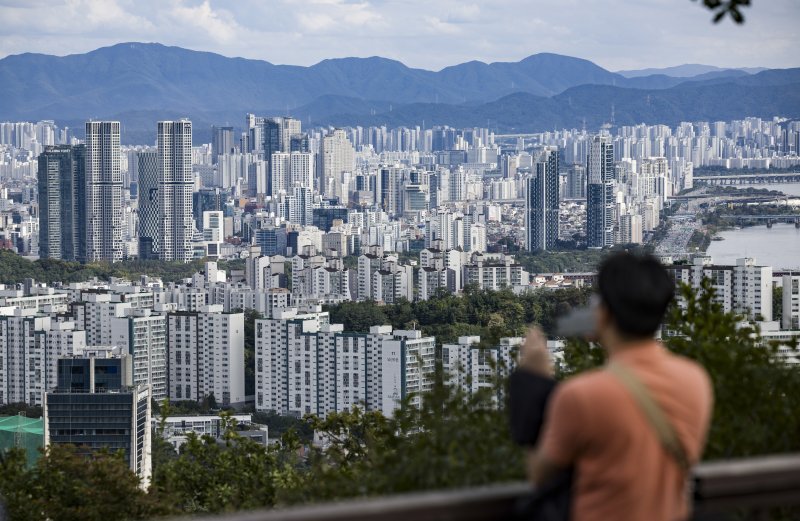
At the core of any real estate policy is supply. In the September 7 Real Estate Supply Plan, the government pledged to begin construction on 1.35 million housing units within five years. However, the market's reaction has been lukewarm. While the promised supply is not insignificant, there is little confidence in the timeline for completion. Even the Third New Towns are facing construction delays, making it difficult for the government’s additional supply pledges to earn public trust.
The detailed supply plans announced by the DPK on the 19th appear to be an effort to restore trust and assure genuine buyers that, with patience, they will be able to purchase homes. The plans reportedly include new housing through redevelopment and reconstruction, as well as public rental housing. There are also intentions to actively identify and utilize idle land for housing construction.
We have previously stated that increasing supply is the top priority for addressing soaring real estate prices in Seoul and the Greater Seoul area, and that supply should be concentrated in areas where demand is highest. When prices rise in the Han River Belt, more quality homes should be built there. Since there is little new land available, the only viable option is to significantly relax redevelopment and reconstruction regulations to allow for new apartment construction.
Most buyers, when thinking of a 'home,' prefer apartments over other types of housing. They generally hope to own their homes rather than rent. In other words, the only solution is to ease regulations in the Han River Belt, redevelop villa neighborhoods, and supply large numbers of private apartments. At the same time, increasing the Floor Area Ratio (FAR) will help boost supply per unit area.
As the population declines, new towns located far from Seoul are increasingly neglected. The downfall of Tama New Town in Japan serves as a cautionary example. With Korea’s population expected to shrink further due to low birth rates and an aging society, policy should focus more on urban redevelopment and reconstruction rather than new town development.
Regional imbalances must also be addressed. More budget should be allocated to Gangbuk to make it a more desirable place to live and reduce the concentration in Gangnam. Efforts to ease the focus on the Greater Seoul area should also be pursued. Even if it takes time, long-term plans should be made to build more industrial parks and improve educational environments in the provinces, so that population inflow into Seoul is curbed.
The ruling party and government have indicated that real estate tax policies such as the Holding Tax will not be implemented for the time being. However, raising the Holding Tax is the most effective way to curb the dominance of Gangnam in the market. On the other hand, reducing the capital gains tax would open up exit opportunities. Under the Yoon Suk Yeol administration, the Holding Tax has been lowered, while the October 15 Real Estate Measures have further increased the capital gains tax. As a result, wealthy homeowners in Gangnam have little incentive to sell.
Sharp rises or falls in real estate prices negatively impact the economy. Prices must remain in line with the country’s economic fundamentals. The current market is clearly overheated and in a bubble. If economic conditions worsen, the bubble could burst, making recovery extremely difficult. Every previous administration’s real estate policy has failed. This is the result of desk-bound policies that failed to grasp market trends and the needs of genuine buyers.