[Editorial] Announcement of Ultra-Strong Real Estate Measures: The Need to Consider End User Impact
- Input
- 2025-10-15 18:44:39
- Updated
- 2025-10-15 18:44:39
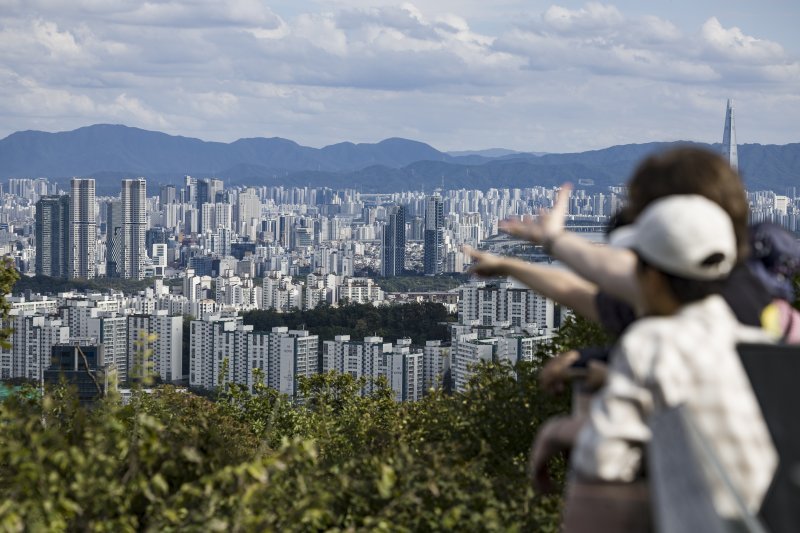
Market participants and experts generally expect that these measures will dampen real estate transactions in Seoul and the metropolitan area, leading to a decline in prices. The government’s policy is considered exceptionally strong, surpassing previous expectations. Notably, the new plan contains no supply measures and is focused solely on curbing demand through stricter regulation.
With these measures, gap investment is effectively banned, Acquisition Tax will rise, and pre-sale right transfers will become more difficult. Capital gains tax will also increase, while loan limits will be reduced. These steps are expected to curb speculation. As multiple regulations make transactions more challenging, transaction volume will shrink, buyers will decrease, sellers will increase, and prices are likely to fall.
Although these are desperate measures, concerns about side effects remain. The biggest worry is Jeonse. Jeonse supply is already declining rapidly, causing prices to rise, and the new policy could trigger a Jeonse crisis. End users seeking to purchase or receive homes for the first time using financial products may suffer. Those hoping to upgrade to better homes may also face difficulties if liquidity becomes tighter.
Of course, if home prices fall, those saving cash to buy a home could benefit. However, it will be difficult to prevent wealthy cash buyers from purchasing high-priced homes, so prices in leading areas such as Gangnam may not be contained. Ordinary citizens may suffer losses, while the wealthy could profit.
Real estate overheating leads to price bubbles and places a heavy burden on the economy. Since the new administration took office, the rise in home prices in Seoul and the metropolitan area has clearly shown signs of overheating. Implementing preemptive policies before things get out of hand is inevitable. However, past experience, including during the Moon Jae-in administration, shows that regulation-focused measures have rarely succeeded. Even if there is a temporary effect, prices eventually revert to their original levels.
Although supply expansion was mentioned in previous policies, it is regrettable that the latest measures lack a plan to increase supply alongside demand suppression. A fundamental paradigm shift is needed in real estate policy. Raising capital gains tax does not prompt multiple home owners to sell. Instead, lowering the capital gains tax to increase listings and ultimately boost supply should be considered. To curb speculative holding by multiple home owners, the Holding Tax should be increased. The absence of tax policy in these measures is disappointing.
Redevelopment and reconstruction could increase supply, but the new measures have tightened regulations on these as well. If redevelopment and reconstruction become more difficult, apartment supply will decrease, undermining market stability. Policy should focus on easing regulations to increase supply, but despite repeated failures, regulation has only been further strengthened.
Above all, residents in the outskirts of Seoul are likely to be most dissatisfied. These areas have always been marginalized and have seen little price increase during the recent boom, so being lumped together as regulated zones is difficult to understand. Instead of designating all of Seoul, a more selective expansion from existing regulated areas should have been considered. The government should monitor market reactions to these measures and promptly introduce supplementary policies as needed.