[fn Editorial] U.S.-China 'Rare Earth Elements' Clash: Respond to Risks with a Cool Head
- Input
- 2025-10-13 20:22:06
- Updated
- 2025-10-13 20:22:06
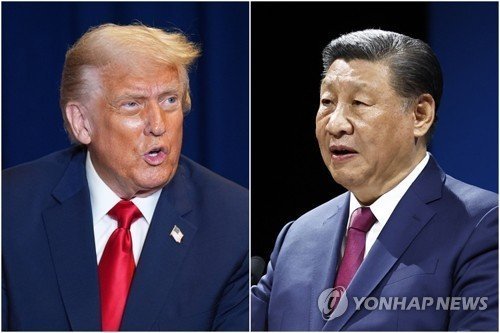
The Ministry of Commerce of the People's Republic of China (MOFCOM) stated that it does not wish for a fight, while President Donald Trump sent a message via social media expressing his respect for Xi Jinping. China's hardline stance, which had used Li-ion battery and synthetic diamond export controls as leverage, also appears to be softening. For Korea, the only option is to closely monitor the turbulent atmosphere between the two countries, but with the United States–Korea Tariff Negotiations still unresolved, it is even more difficult to find direction.
The Korean government should not be swayed by the changing tides of U.S.-China negotiations. While maintaining a pragmatic approach, it must remain steadfast in prioritizing the interests of the nation and its businesses. The U.S. and China have repeatedly shown a pattern of tariff clashes and reconciliations. This latest round of tariff negotiation is also seen as a tactic by both nations to gain the upper hand. However, Korea should focus its policies on minimizing economic damage, such as by expanding supply chains to counter China’s REE controls, which have previously impacted the country.
The U.S. faces the Achilles' heel of potential domestic backlash over rising prices ahead of Thanksgiving Day and Christmas. China, too, is not free from the risks of sluggish domestic demand and growing international isolation. As a result, both countries are likely to continue alternating between pressure and reconciliation in their negotiation strategies to secure advantageous positions. The upcoming Asia-Pacific Economic Cooperation (APEC) Economic Leaders' Meeting (APEC Summit) in Gyeongju, starting on the 31st, is expected to mark the peak of the power struggle between the two nations.
In this situation, Korea should take a step back and observe events with composure. It is essential not to lose focus or become entangled in the recurring turbulence of U.S.-China conflicts. Korea’s economy, which is highly dependent on exports, remains vulnerable to risks whenever U.S.-China relations deteriorate. As the tariff negotiation worsens, the US Dollar–South Korean Won exchange rate has surpassed the 1,400-won mark, reflecting growing instability.
A sharp rise in the exchange rate can directly impact import prices, fueling inflation and potentially leading to capital outflows by foreign investors. This poses a serious threat to the fundamentals of the Korean economy. Naturally, it also affects the public and consumers. The government must focus its efforts on proactive management of the base rate, exchange rate, and inflation, while minimizing volatility in the Financial Market.
This APEC Summit is an opportunity for Korea to demonstrate its diplomatic capabilities amid the turbulent international landscape, including the U.S.-China clash. Sandwiched between the U.S. and China, Korea could leverage its difficult position to act as a mediator for reconciliation and negotiation between the two powers. Since leaders from several member economies, in addition to the U.S., will attend APEC, there will be both concerns about global economic risks triggered by the U.S.-China conflict and constructive voices. As the host country, Korea should maximize its diplomatic momentum by leveraging the APEC platform to strengthen its external negotiating power.
The best effort Korea can make is to minimize the impact of external variables. Korea must not be swayed by U.S.-China tensions, but instead make calm, rational decisions with national interests as the top priority. Ultimately, it is only natural that Korea should focus on enhancing its competitiveness to weather external risks that are likely to recur in the future.