Biosimilar Approval Fees Up 40-Fold, Review Period Cut by 4 Months...“An Investment, Not a Burden”
- Input
- 2025-10-13 16:22:45
- Updated
- 2025-10-13 16:22:45
[Financial News] The Ministry of Food and Drug Safety is set to increase biosimilar approval fees by about 40 times while reducing the approval period, raising expectations within the industry. Although the immediate cost burden is significant, the positive impact of a shorter review period is considered greater. Experts emphasize the importance of ensuring the system is properly implemented, including securing specialized reviewers.
According to industry sources on the 13th, the Ministry of Food and Drug Safety recently issued an administrative notice on a partial amendment to the 'Regulations on Fees for the Approval of Pharmaceuticals, etc.,' including biosimilar approvals, and will accept public comments until the 11th of next month.
Biosimilars offer the same clinical efficacy as original drugs but are supplied at lower prices, improving patient access to medications and reducing the overall burden on healthcare costs.
Under the revised bill, the biosimilar approval fee will be significantly raised from 8.03 million KRW to 310 million KRW. The average approval period, which currently takes 406 days, is expected to be shortened to 295 days. For small and medium-sized enterprises applying for approval of domestically developed biosimilars, a 50% fee reduction will be introduced.
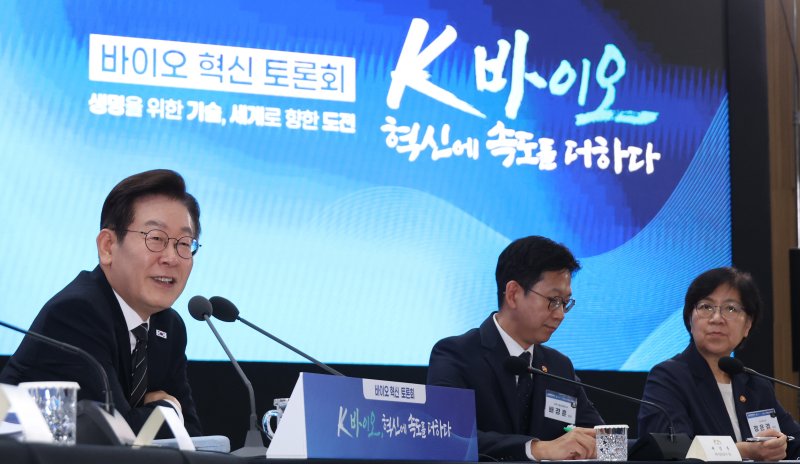
This reform follows up on the 'K-Bio Innovation Forum' chaired by President Lee Jae-myung on the 5th of last month. During the meeting, President Lee stated his intention to make Korea’s new drug review period the shortest in the world.
A representative from the Ministry of Food and Drug Safety explained, “This measure brings our fees, which were significantly lower than those in other countries, in line with global standards. We will recruit highly qualified, specialized reviewers to improve the quality of reviews and shorten the approval period.”
Industry insiders are more optimistic about the shortened approval period than concerned about the immediate increase in fees. The 310 million KRW fee is relatively minor compared to the more than 100 billion KRW required to gain approval for a single product from the Food and Drug Administration (FDA) or the European Medicines Agency (EMA).
An industry official remarked, “For small companies, this is a significant short-term expense, but considering the much higher costs of development and clinical trials, it is more beneficial in the long run to pay 310 million KRW for a faster approval. Previously, the low approval fees meant some companies did not take the review process seriously and used it for other purposes, such as testing. This change will help distinguish serious applicants.”
However, some argue that to strengthen the review workforce, it is necessary to recruit entirely new experts in addition to expanding the team. Lee Seung-gyu, Vice President of the Korea Biotechnology Industry Organization (KBIO), emphasized, “Biosimilars are a completely different field from traditional new drugs, so we need innovative new drug experts who understand new modalities. In some cases, companies have had to educate reviewers themselves, which has delayed approvals. The frequent rotation of reviewers every two years also undermines consistency in standards. The industry needs professionals who can maintain expertise and work long-term to reduce stress on companies.”
[email protected] Choi Hye-rim Reporter