Council President Who Did Not Hand Over Registered Seal to Successor... Supreme Court of Korea: 'Not Obstruction of Business'
- Input
- 2025-10-09 10:44:56
- Updated
- 2025-10-09 10:44:56
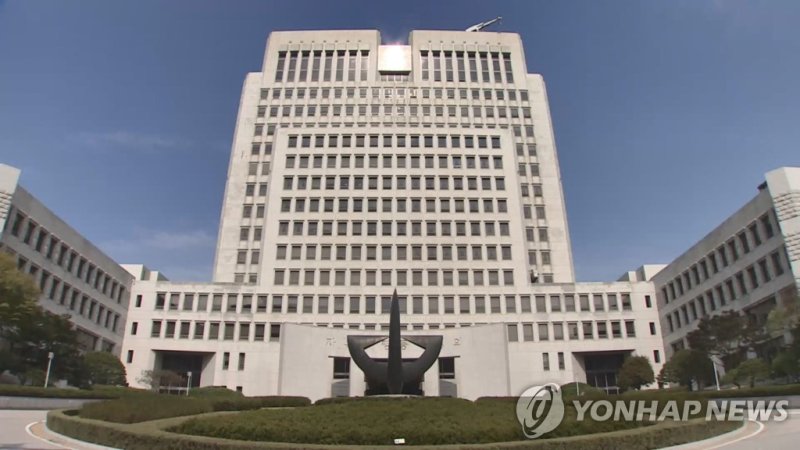
[Financial News] The Supreme Court of Korea has ruled that a president of an apartment Council of Occupant Representatives cannot be punished for Obstruction of Business simply for failing to hand over the registered seal and other documents to their successor.
According to the legal community on the 9th, the Supreme Court of Korea's second division, presided over by Justice Kwon Young-jun, overturned the lower court’s decision that had sentenced defendant A to a fine of 2 million won for Obstruction of Business and remanded the case to the Uijeongbu District Court.
A, who previously served as president of the Council of Occupant Representatives at an apartment complex in Namyangju, was brought to trial on charges of obstructing the work of the incoming president B by refusing to hand over the registered seal and the original Certificate for Business Proprietor Registration, among other documents.
The key issue was whether A’s refusal to return the registered seal and related items constituted the 'force' required for Obstruction of Business. Under criminal law, Obstruction of Business punishes those who interfere with another’s business through the use of force.
The first trial court found A guilty and imposed a fine of 2 million won. The court stated, "The defendant was obligated to return the registered seal and other documents to B, who was newly elected as president, but refused to do so, thereby preventing B from properly performing the duties of president." The court added, "It is sufficiently recognized that the defendant intended to obstruct business."
The court cited Supreme Court of Korea precedents, which state that 'force' in the context of Obstruction of Business includes any power capable of suppressing or confusing a person’s free will, whether tangible or intangible. This encompasses not only violence and threats but also pressure stemming from social, economic, or political status and authority.
The appellate court upheld the original verdict, but the Supreme Court of Korea reached a different conclusion. The Supreme Court of Korea explained, "For an omission or similarly passive conduct to constitute the 'force' required for Obstruction of Business, such conduct must reach a level that suppresses the victim’s free will and must be legally equivalent to an active act of interference with the victim’s business."
The court further noted, "In this case, there was a dispute regarding B’s status as president of the Council of Occupant Representatives, and the defendant merely refused to deliver or return the registered seal and other items in his possession. There is no evidence that the defendant actively interfered with B’s duties as president, such as by using the seal to impersonate the president."
The Supreme Court of Korea also stated, "It is difficult to conclude that the registered seal and related items were absolutely necessary for B to perform his duties as president. Furthermore, it cannot be said that B was unable or significantly hindered in carrying out his responsibilities as president of the Council of Occupant Representatives solely because the defendant did not deliver or return the registered seal and other items."
jisseo@fnnews.com Seo Min-ji Reporter