"Easy to Drink"... MZ Generation Falls for 'Old Men's Liquor'
- Input
- 2025-10-09 15:27:03
- Updated
- 2025-10-09 15:27:03
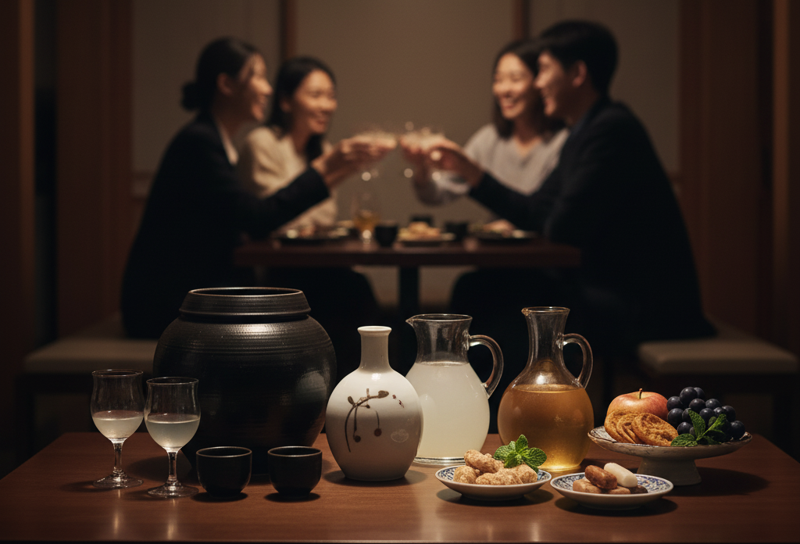
[Financial News] Traditional Korean alcoholic beverages are rapidly becoming a staple in the drinking culture of the MZ generation (Millennials and Generation Z). With the perception that these drinks are 'easy to drink' and the emergence of trendy products such as fruit-based spirits and low-alcohol options, the consumer base has expanded from mainly middle-aged men to include the 2030 generation. The retail industry is nurturing traditional Korean alcoholic beverages as a new growth engine, introducing products in collaboration with ice cream brands, webtoons, and star chefs.
According to the industry on the 9th, 7-Eleven's traditional Korean alcoholic beverages sales from January 1 to September 19 this year increased by 10% compared to the same period last year. Notably, sales among the 2030 generation surged by 20%, signaling a rapid shift in the main consumer demographic for traditional Korean alcoholic beverages.
In line with this trend, 7-Eleven recently launched 'Hosoju,' a Bokbunja Distilled Liquor created in collaboration with singer Jang Minho. With an alcohol content of 16%, it is accessible even for beginners, and its label, inspired by the Single Tiger Rank Badge from the National Museum of Korea, is designed to appeal to foreign consumers as well.
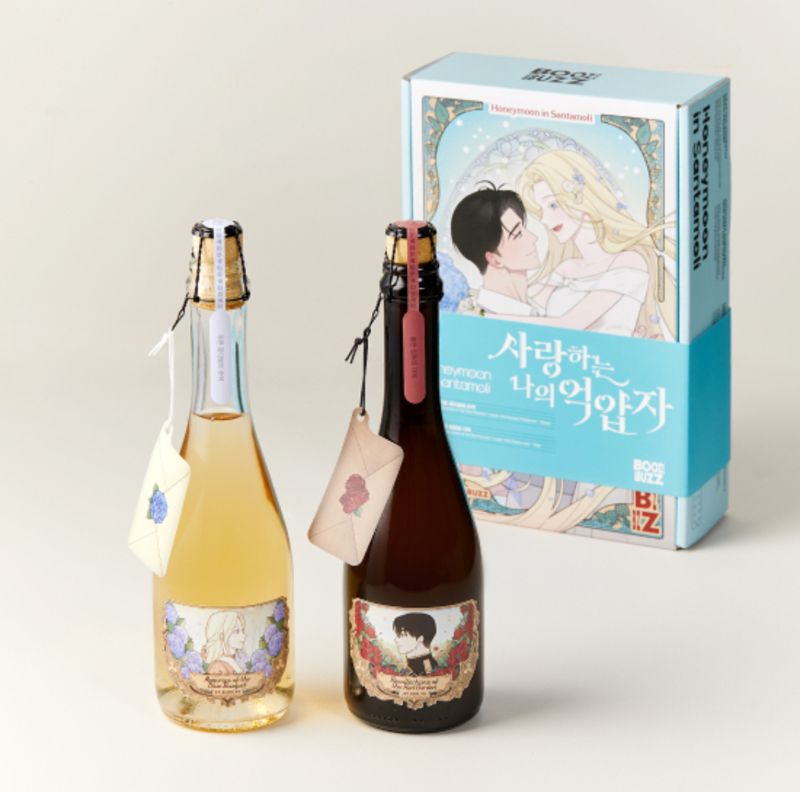
GS25 is also accelerating its efforts to attract younger consumers. 'Leegyun Matcha Makgeolli,' released last August in partnership with chef Edward Lee, sold out its 9,000 pre-order bottles in just one day. Additionally, GS25 introduced 'Beloved Oppressor Santamoli Honeymoon Edition,' a honey-based alcoholic beverage utilizing Webtoon Intellectual Property Rights (IPR), infusing its beverage packaging and content with the sensibilities of the MZ generation. As a 6% ABV sparkling low-alcohol drink, it meets the preferences of those who enjoy lighter beverages.
emart24 sought differentiation through collaborations with ice cream brands. Long-standing favorites such as 'Bbangbbare,' 'Seolleim,' and 'Chal Oksusu' were reimagined as traditional Korean alcoholic beverages. Among them, 'Chal Oksusuju' highlights a savory flavor using domestic rice and corn, and its packaging closely mirrors the original ice cream design to enhance familiarity. An industry official explained, "IPR collaborations will lower the entry barrier for young consumers new to traditional Korean alcoholic beverages."
CU (store) has extended the mixology (cocktail combination) trend to makgeolli. 'Goryangtak,' developed in collaboration with Chinese cuisine chef Jung Ji Sun, blends makgeolli with Kaoliang liquor to create a savory yet clean flavor. By diversifying the mixology beverage market, which was previously dominated by highballs, CU (store) aims to generate new demand.
The reason the retail industry is expanding its traditional Korean alcoholic beverages lineup lies in the changing perceptions of younger generations. While traditional Korean alcoholic beverages were once consumed mainly by middle-aged men due to their high alcohol content, recent trends toward lower alcohol, fruit flavors, and stylish designs have boosted demand among women and younger consumers. In addition, growing interest in 'K-alcohol' among foreign tourists is raising the potential for global market expansion.
An industry official stated, "Recently, traditional Korean alcoholic beverages have been reinterpreted in a modern way and are establishing themselves as a new trend," adding, "Through various unique collaborations and commercialization strategies, traditional Korean alcoholic beverages are expected to grow as a new K-food category."
localplace@fnnews.com Kim Hyun-ji Reporter