Would You Like to See the Ancestors of Magpie and Tiger from 'KPop Demon Hunters'?... Leeum Museum’s Chuseok Exhibition
- Input
- 2025-09-29 14:17:06
- Updated
- 2025-09-29 14:17:06

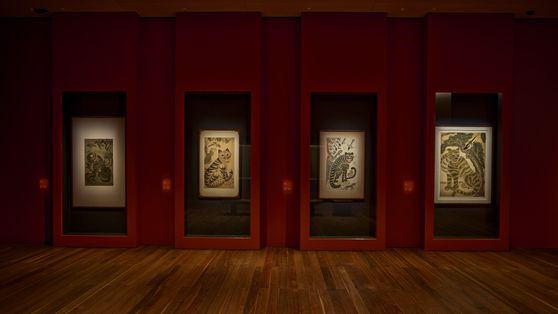
[Financial News]With the global popularity of the Netflix original film 'KPop Demon Hunters' (KDH), interest in traditional Korean characters is on the rise. Among them, the most beloved character is undoubtedly 'Magpie and Tiger' from KDH. In the film, the magpie is named Suzy and the tiger is Derpy. Suzy and Derpy are depicted as inseparable best friends who are always together. However, these two did not suddenly appear in KDH.Magpies and tigers have long been among the most cherished animals in Korea, frequently appearing in traditional art. The tiger depicted with a magpie is also a representative theme in late Joseon dynasty folk paintings.In particular, magpies and tigers were not just familiar animals, but also symbols of good fortune and protection. The magpie was believed to bring good news, while the tiger was seen as a guardian that warded off evil spirits and protected the household.In short, Suzy and Derpy have been steadfast friends by our side for generations.A permanent exhibition exploring the origins of Derpy and Suzy—evoking pride in traditional culture for Korean audiences and a sense of Korean identity for international visitors—will be held in Hannam-dong, Yongsan-gu, Seoul. The Leeum Museum of Art is hosting the 'Magpie and Tiger: Hojak-do (Tiger and Magpie Painting)' exhibition through November 30.
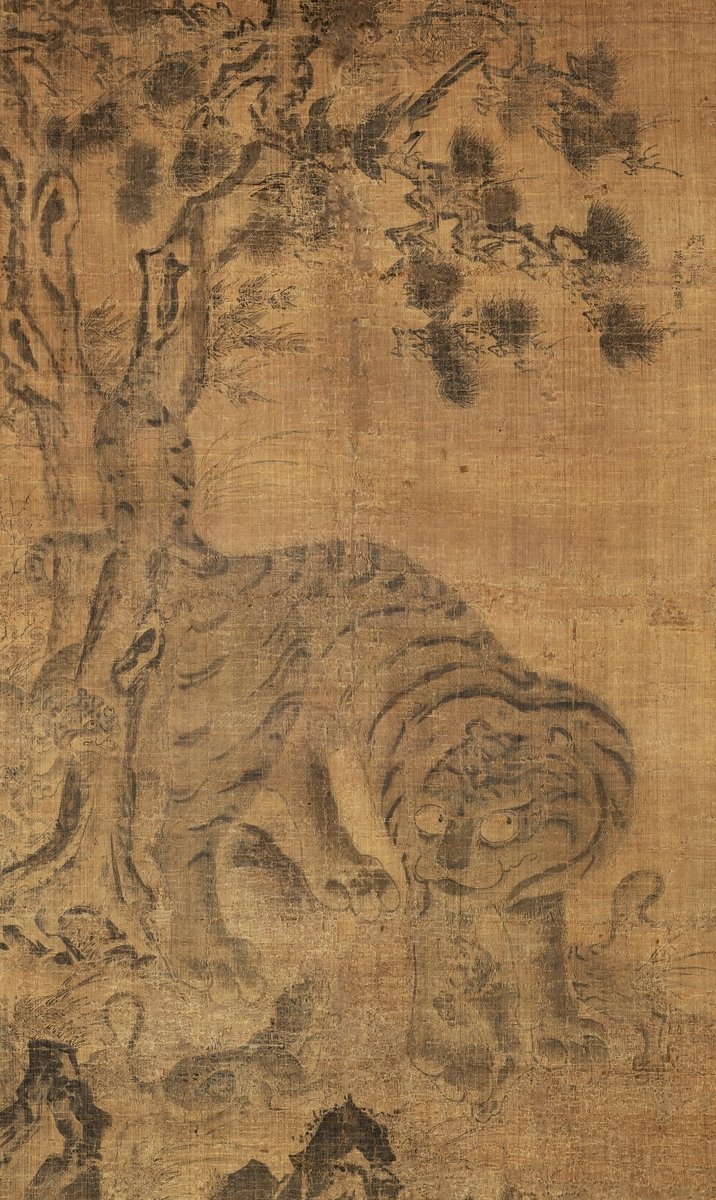
This exhibition features seven works related to the Magpie and Tiger. The 1592 piece 'Hojak-do (Tiger and Magpie Painting)' from the Leeum Museum’s collection is considered the origin of the genre and is being shown to the public for the first time.
The work combines various themes: 'Tiger Descending the Mountain', which depicts a tiger coming down to restore order when foxes and wolves pretend to be tigers; 'Gyeongjo', showing birds surprised and delighted at the birth of tiger cubs; and 'Yuho', which interprets a tiger raising its cubs as the birth of an extraordinary gentleman.
An inscription in the upper right corner of the painting notes it was created in the year of Imjin, allowing for precise dating. It is also notable for being rendered in a traditional painting style rather than folk art. The depiction of rocks and bamboo in the background reflects painting styles from the 16th and 17th centuries.
A representative from the Leeum Museum of Art explained, "This is the oldest surviving Magpie and Tiger painting in Korea. It is significant for showing how the Hojak-do format, established during China’s Yuan dynasty, evolved into a uniquely Korean style."
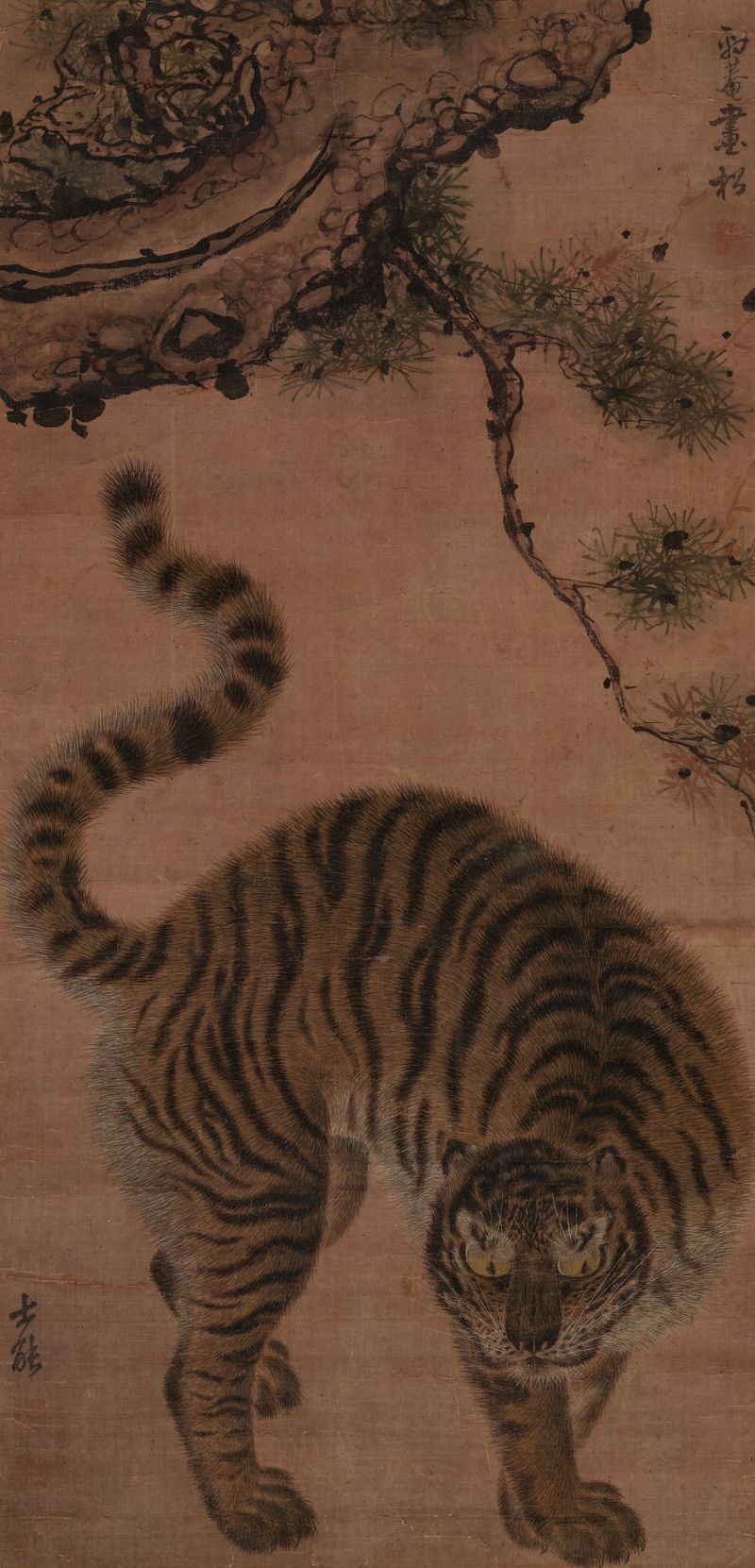
'Songhamaenghodo' by Kim Hongdo (1745–1806, presumed), a master of late Joseon dynasty painting, is also on display. This work, completed in Kim’s distinctive realistic style, is a classic painting. The posture of the tiger turning its body beneath a pine tree closely resembles the 'Tiger Descending the Mountain' motif, the prototype for folk art Magpie and Tiger paintings.
In the 19th century, Hojak-do began to be produced as folk paintings, gaining popularity among the common people. During this process, the simple, free, and humorous characteristics of folk art were added. The works took on various symbolic meanings, from folk beliefs that the mountain spirit delivered divine messages to the tiger via the magpie, to satirical interpretations where the tiger represented corrupt officials and the magpie symbolized the people.
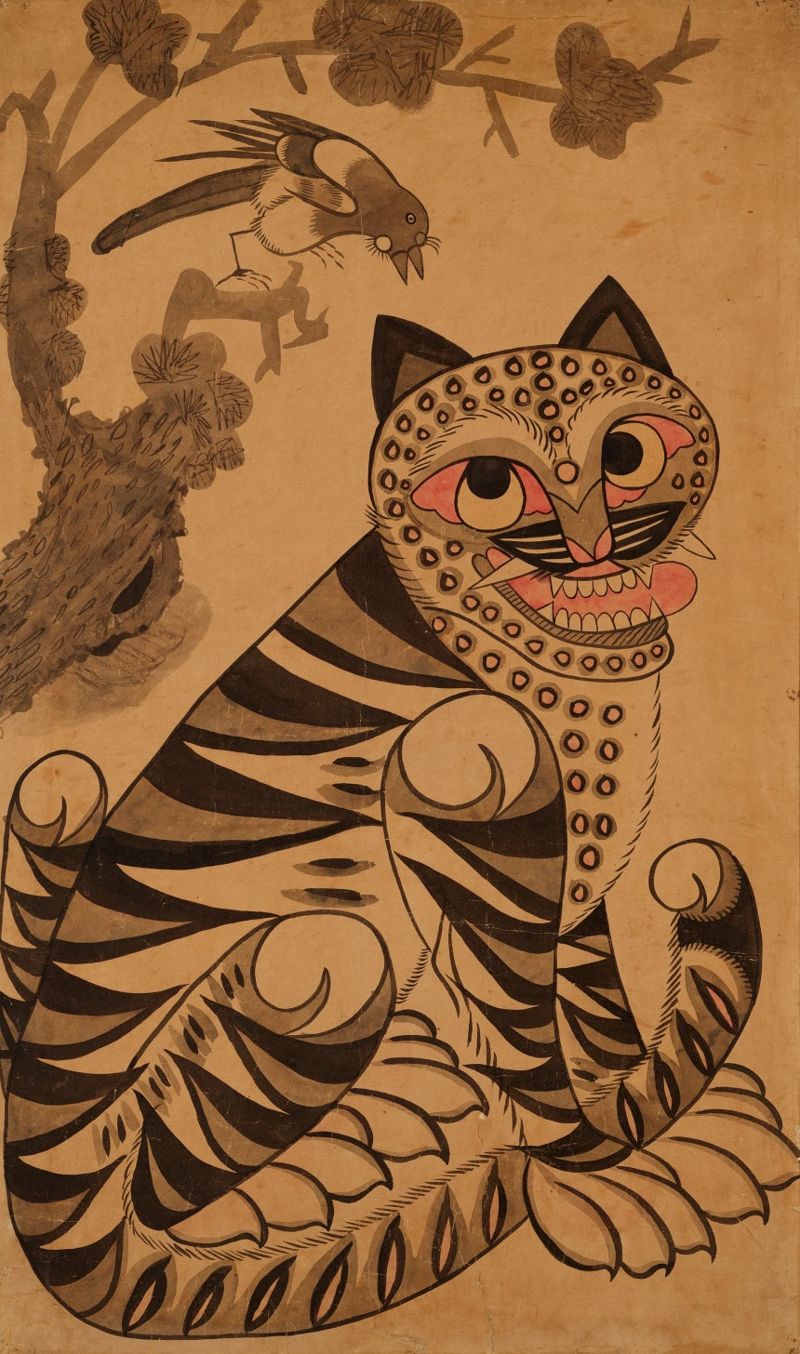
A 19th-century 'Hojak-do' (artist unknown), which inspired the 1988 Seoul Olympics mascot Hodori, is also on display. Its abstract style has earned it the nickname 'Picasso Tiger.' The tiger, with ears perked up, is depicted listening to a divine message delivered by the magpie, a typical motif in folk art. The tiger’s comical expression is characteristic of the genre.
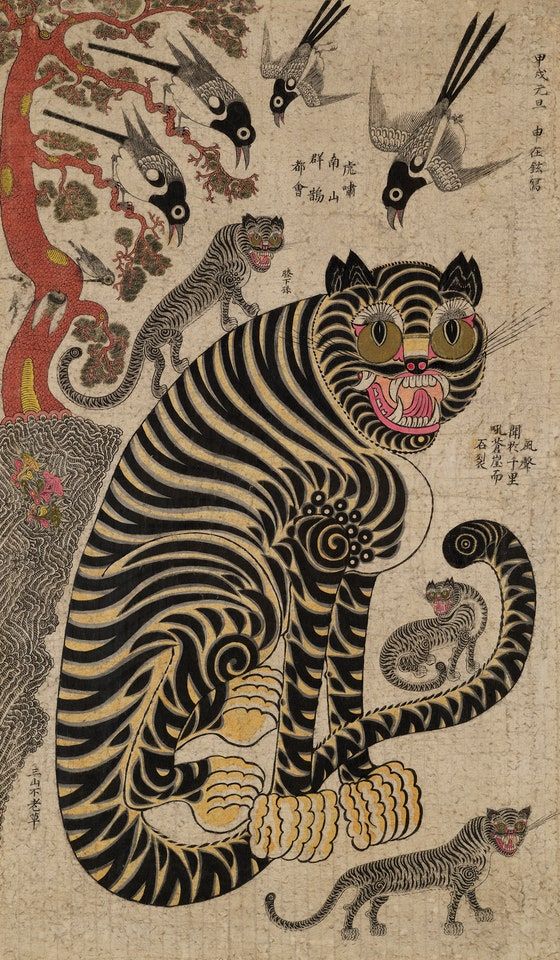
A 'Hojak-do' believed to have been painted by Shin Jae-hyeon in 1874 is a rare example where both the artist and date are known. The painting includes an inscription describing the tiger’s dignity and majesty, such as, "As the tiger roars, flocks of magpies gather." This work uniquely combines the characteristics of folk art with those of literati painting.
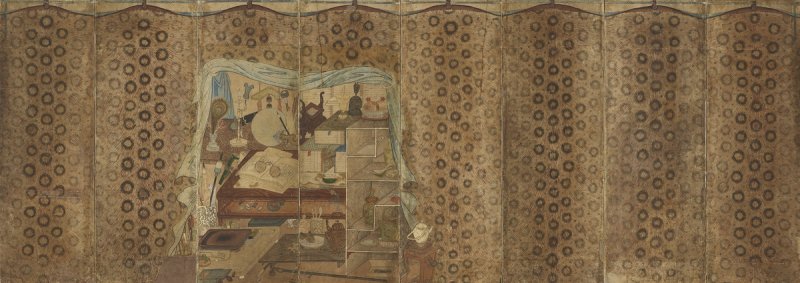
Another highlight is the 19th-century 'Folding Screen of Leopard Skin,' which showcases a unique artistic style. The screen is drawn back to reveal a sarangbang (study room) inside. Paintings of leopard or tiger skins, known as 'Hopi-do,' were believed to ward off evil spirits. A representative from the Leeum Museum of Art noted, "The desk is filled with books, and one of the open books contains a poem by Jeong Yak-yong, illustrating the culture enjoyed by scholars."
Regarding the exhibition, the Leeum Museum of Art stated, "Although there is a misconception that this show was hastily organized due to the popularity of 'KPop Demon Hunters,' it was actually planned a year ago. Nevertheless, it is an excellent opportunity to trace the roots of Korean characters that are captivating the world and to gain a deeper understanding of our traditional culture."
rsunjun@fnnews.com Yoo Sun-jun Reporter