"Sorry for not being able to repay the debt" Even if apologized... Supreme Court "Not a waiver of statute of limitations benefit"
- Input
- 2025-09-23 09:42:06
- Updated
- 2025-09-23 09:42:06
Lawsuit filed after the statute of limitations on the bond expired
First and second trials "Acknowledged debt and apologized, so waived statute of limitations benefit"
Supreme Court "Cannot be seen as an expression of intent not to receive legal benefits"
First and second trials "Acknowledged debt and apologized, so waived statute of limitations benefit"
Supreme Court "Cannot be seen as an expression of intent not to receive legal benefits"
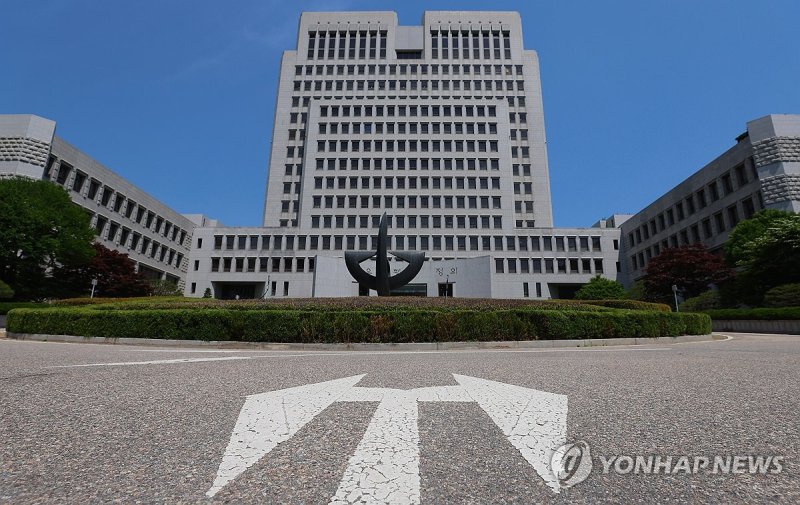
[Financial News] The Supreme Court has ruled that even if a debtor acknowledges and apologizes for not repaying a debt, it cannot be concluded that they have waived the benefits of the statute of limitations. Even if a debt past the statute of limitations is acknowledged, it cannot be interpreted as an intention to repay the money.
According to the legal community on the 23rd, the Supreme Court's 3rd Division (Presiding Judge Lee Heung-gu) overturned the original ruling in favor of the plaintiff in a construction payment claim lawsuit filed by Company A against Mr. B and sent the case back to the Changwon District Court.
Company A was contracted to build accommodation facilities on a piece of land in Geoje-si, Gyeongnam with Mr. B in August 2013 and completed the construction in December of the same year. The construction scale was 1,012 million won, of which Mr. B paid only 960.5 million won. Therefore, Company A filed a lawsuit demanding the unpaid construction payment and delayed damages.
The first and second trials ruled in favor of Company A. Mr. B argued that the statute of limitations (3 years) for the construction payment claim had expired since the construction was completed in December 2013 and the lawsuit was filed in August 2019, but this was not accepted.
The second trial court judged that Mr. B's representative acknowledged the unpaid construction payment to Company A and apologized for it, stating, "It should be considered that the benefit of the statute of limitations has been waived." They based this on the legal principle that "if a debtor acknowledges a debt after the statute of limitations has expired, it is presumed that they knew the fact of the expiration and waived the benefit."
However, the Supreme Court overturned the ruling. The Supreme Court stated, "The mere fact that the defendant's representative acknowledged the unpaid construction payment and thereby acknowledged the debt cannot immediately be presumed as an expression of intent not to receive the legal benefits resulting from the expiration of the statute of limitations."
Furthermore, they added, "Even if the defendant's representative apologized to the plaintiff for the unpaid construction payment, it cannot be concluded that the true intention of that act was to waive the benefit of the statute of limitations, and it is difficult to see it as an apology knowing the fact of the expiration."
This follows the precedent changed by the Supreme Court's full bench in July. At that time, the full bench changed the existing precedent, stating, "Even if there was an act of acknowledging the debt, which is a reason for interrupting the statute of limitations after the expiration of the statute of limitations, it cannot immediately be concluded that there was an expression of intent to waive the benefit of the statute of limitations."
The full bench stated, "Waiving the benefit of the statute of limitations requires an expression of intent not to receive the legal benefits resulting from the completion of the statute of limitations, beyond merely indicating awareness of the debt, and is distinct from acknowledging the debt," and "It is not reasonable to presume that acknowledging the debt immediately constitutes a waiver of the statute of limitations benefit."
[email protected] Seo Min-ji Reporter