[fn Editorial] U.S. Professional Visa Fee Bomb, Opportunity to Attract Korean Talent
- Input
- 2025-09-21 19:25:24
- Updated
- 2025-09-21 19:25:24
Visa regulations shake the melting pot of global talent
We must attract tech brains with exceptional treatment
We must attract tech brains with exceptional treatment
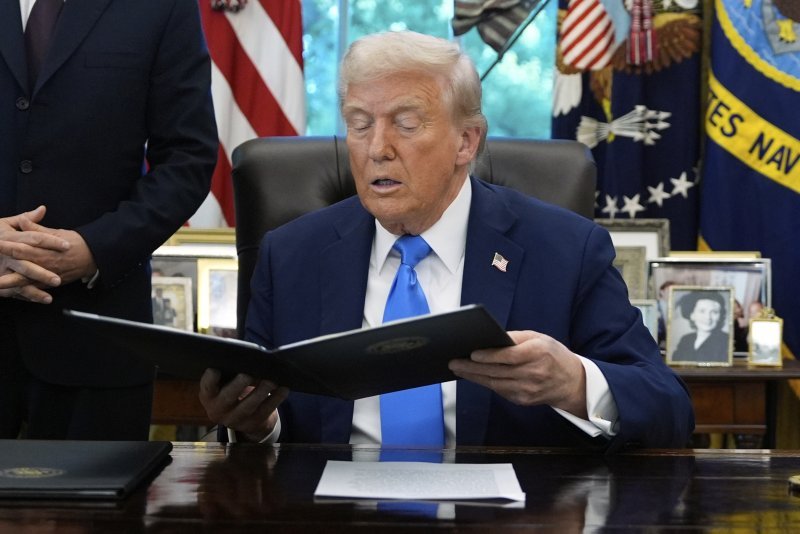
The United States has significantly raised the H-1B visa fee, known as the professional visa, to $100,000 per person annually (about 140 million won). President Donald Trump signed an executive order on the 19th that includes major improvements to the U.S. H-1B visa program. It is bitter in many ways that the H-1B visa, which was used to attract technical brains from around the world, has been hit by the America First policy. In the future, U.S. visas are likely to be applied more strictly. For us, we need to make more efforts for the necessary measures to supply Korean personnel to local Korean companies, and it is also worth actively considering using this as an opportunity to attract high-level personnel domestically.
The H-1B visa is for professional occupations in the fields of Science, Technology, Engineering, and Mathematics (STEM). It limits the number of issuances to 85,000 annually through a lottery. A basic stay of 3 years is allowed and can be extended. Major U.S. big tech companies such as Tesla, Google, and Meta have recruited thousands of overseas key technical personnel every year with the H-1B visa. In Silicon Valley, where the competition for talent attraction is fierce, there was a demand to increase the number of issuances, but the Trump administration rejected it with a fee 100 times higher than before.
The intention of the U.S. visa fee bomb is clear. The perception that the existing H-1B program is taking away jobs from Americans is evident throughout the proclamation. Howard Lutnick, the Secretary of Commerce who watched the signing ceremony of the proclamation, argued, "Big tech companies that have been educating foreign workers must now train Americans." The expensive visa fee is virtually the same context as the detention incident at the Korean factory in Georgia.
The fact that the U.S. became a leader in AI is the result of scientific brains from around the world flocking to Silicon Valley. Silicon Valley has become a global advanced base for tech and AI while serving as a melting pot of world talent. Nonetheless, the Trump administration is overlooking this, only looking at the strong support base of MAGA (Make America Great Again). As the impact grew, there were remarks from the White House suggesting they would allow exceptions if it aligns with national interests, but the possibility of a change in the policy is almost nonexistent.
The proportion of H-1B visas issued to Koreans is said to be around 1%. Over the past 10 years, about 20,000 Koreans have received H-1B visas. This means about 2,000 people went to the U.S. with this visa every year. For our government, which must focus on attracting high-level technical talent, this could be an opportunity. The government is also promoting a domestic settlement program for overseas personnel in strategic technology fields. Recently, a public-private task force related to this has been formed. We must create a framework for a net inflow of talent from the U.S. to Korea with exceptional proposals. It is also urgent to establish an institutional foundation where recruited talent and world scholars can demonstrate their capabilities. A wage system that provides compensation based on performance must be expanded in all sectors. The visa issue of skilled Korean workers urgently needed at Korean factories in the U.S. must be separately resolved by the government. After the detention incident, local efforts to publicly hire Americans are being rushed, but there are limits. Cooperation between the government and the private sector is more urgently needed than ever.