KDI "Slight Easing of Consumption-Centric Economic Slump... Potential Slowdown in Exports Due to Tariffs"
- Input
- 2025-09-09 12:00:00
- Updated
- 2025-09-09 12:00:00
KDI Economic Trends
July Consumption Up 2.4%... Policy Effects Such as Public Support Funds
Construction Investment -14.2%... Continued Slump Due to Heatwave and PF Regulations
August Exports to US -8.1%... Direct Hit from Auto and Steel Tariffs
July Consumption Up 2.4%... Policy Effects Such as Public Support Funds
Construction Investment -14.2%... Continued Slump Due to Heatwave and PF Regulations
August Exports to US -8.1%... Direct Hit from Auto and Steel Tariffs
[Financial News] The domestic economy showed a slight easing trend centered on consumption recovery compared to the previous month, but construction investment saw a larger decline, and exports are facing increased pressure as the decline in exports to the United States becomes more pronounced.
According to the economic trends released by the Korea Development Institute (KDI) on the 9th, retail sales in July increased by 2.4%, expanding from the previous month's 0.3%. Passenger car sales surged by 12.9%, and sales excluding passenger cars rebounded from -1.3% to 1.3%.
Accommodation and food services also shifted from -2.7% to a 1.6% increase, and arts, sports, and leisure services improved from -2.1% to 5.5%. This is the result of government policies such as public support funds and home appliance rebate programs supporting the recovery. The number of foreign tourists increased by 25.5%, boosting travel income by 33.1%, contributing to domestic demand.
On the other hand, construction investment remained sluggish.
Construction investment in July was -14.2%, with a larger decline than the previous month's -12.1%. Both the building and residential/non-residential sectors were sluggish, and the civil engineering sector also decreased by -6.4%. The impact of the heatwave was also significant. The number of heatwave days in July (with a maximum daily temperature of 33 degrees or higher) increased more than threefold from 4.3 days last year to 14.5 days this year, causing disruptions in fieldwork. Although construction orders and building start areas are showing signs of improvement, the strengthening of real estate PF loan reviews and the slowdown in the local real estate market may delay recovery.
Facility investment fell sharply due to the impact of the semiconductor slowdown. Facility investment turned from a 1.4% increase in the previous month to a -5.4% decline this month. Transportation equipment also shifted from a 10.1% increase to a -16.5% decline, and semiconductor manufacturing equipment saw its growth rate shrink from 14.2% to 8.5%. While machinery showed some improvement, overall momentum weakened.
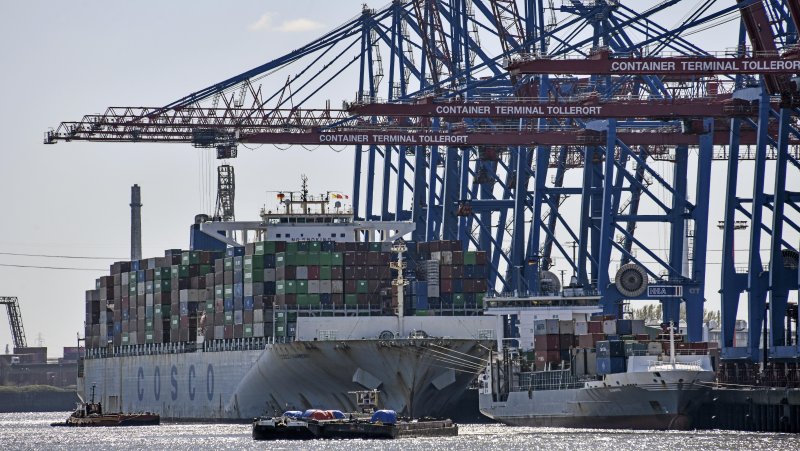
The impact of the decline in exports to the United States has become pronounced. Exports in August only increased by 1.3%, significantly slowing from the previous month's 5.8%. In particular, exports to the United States decreased by 8.1%, with automobiles (-6.1%) and steel (-32.1%) taking a direct hit. Exports to China only increased by 1.4%, showing a weak trend.
Employment also appears stagnant due to the sluggishness in construction and manufacturing. The number of employed persons in July increased by 171,000, similar to the previous month's 183,000, but the decline continued in construction (-92,000) and manufacturing (-78,000). Although employment in the service industry increased by 455,000, the expansion of the decline in accommodation and food services was a setback. The employment rate remained at 62.8%, the same as the previous month, and the labor force participation rate slightly fell from 64.5% to 64.4%.
Consumer prices in August only rose by 1.7%, slowing from the previous month's 2.1%. The reduction in mobile phone charges (-21.0%) lowered the overall price increase, while the prices of agricultural, livestock, and fishery products saw an expanded increase due to the impact of the heatwave.
KDI stated, "Consumption is expected to continue improving due to interest rate cuts and government support policies," but also diagnosed, "External conditions such as the US's announcement of semiconductor and pharmaceutical tariffs and the uncertainty of the timing of automobile tariff reductions may burden exports."
spring@fnnews.com Lee Bomi Reporter