Sexual Harassment Post on SNS... Supreme Court: 'Punishable Even If Victim Blocked Account'
- Input
- 2025-09-08 14:29:49
- Updated
- 2025-09-08 14:29:49
Victim did not receive notification of the post due to 'account block'
Confirmed sexual harassment post targeting them through another account
Supreme Court: 'Objectively Recognizable State' Overturns Acquittal
Confirmed sexual harassment post targeting them through another account
Supreme Court: 'Objectively Recognizable State' Overturns Acquittal
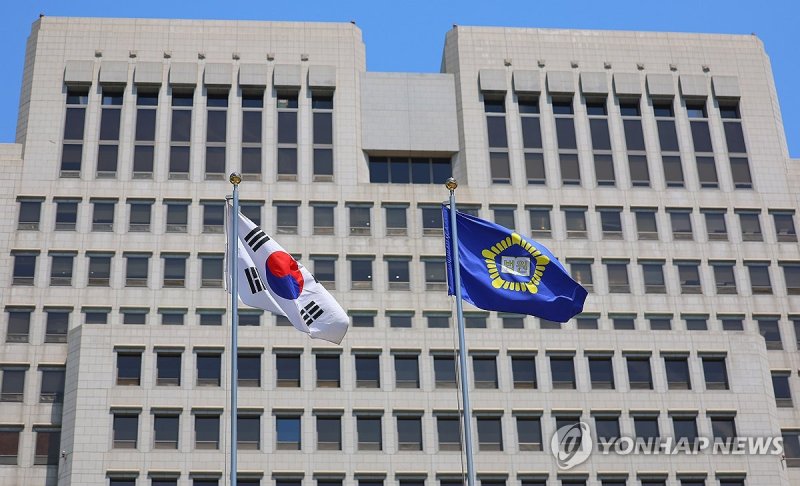
[Financial News] The Supreme Court has ruled that if a post causing sexual humiliation is uploaded on a social networking service (SNS), it can be punishable if the victim is in a state where they can confirm the post, even if they have blocked the account.
According to the legal community on the 8th, the Supreme Court's 1st Division (Chief Justice Shin Sook-hee) overturned the original ruling of acquittal for Mr. A, who was charged with violating the Special Act on the Punishment of Sexual Crimes (obscenity using communication media), and sent the case back to Suwon District Court.
Mr. A was brought to trial on charges of posting words that cause sexual humiliation or disgust, such as 'I will inflict maximum sexual harassment' and 'Let's sexually torture', mentioning the account of victim Mr. B on Twitter (now X) in May 2023. At that time, Mr. B had blocked Mr. A's account, so notifications about the post were not delivered. Mr. B later entered Mr. A's account through another account and confirmed such posts.
The issue was whether it could be considered that Mr. A made the post reach Mr. B. The Sexual Violence Punishment Act stipulates punishment for those who cause words or writings that induce or satisfy sexual desire to reach the other party through phone, mail, computer, or other communication media.
The first trial found Mr. A guilty and sentenced him to a fine of 2 million won, but the second trial overturned this, stating, "It is difficult to see that the defendant made this post reach the victim."
The second trial court ruled, "The victim blocked the defendant's Twitter account, so notifications about the post were not delivered to the victim," and "The victim could not recognize the post before searching the defendant's account."
However, the Supreme Court's judgment was different. The Supreme Court explained that the 'reach' in the elements of the Sexual Violence Punishment Act means "not only when the other party directly encounters words that cause sexual humiliation but also when they are in a state where they can objectively recognize them."
It added, "If the defendant transmitted words that cause sexual humiliation through communication media such as mobile phones or computers, and the other party reached a state where they could directly access the words without any restrictions, it should be considered that the elements are met," and "It does not matter whether the other party actually recognized or confirmed the words."
The Supreme Court stated that Mr. A specified the victim using the 'mention' function, wrote malicious and aggressive content targeting the victim, and concluded, "It can be considered that the victim was in a state where they could objectively recognize it."
[email protected] Seo Min-ji Reporter