"Let me use the official residence longer"... Soldier facing discharge filed a lawsuit but lost
- Input
- 2025-09-08 10:25:40
- Updated
- 2025-09-08 10:25:40
Eviction deferment is an exceptional system... "Broad discretion recognized for military headquarters"
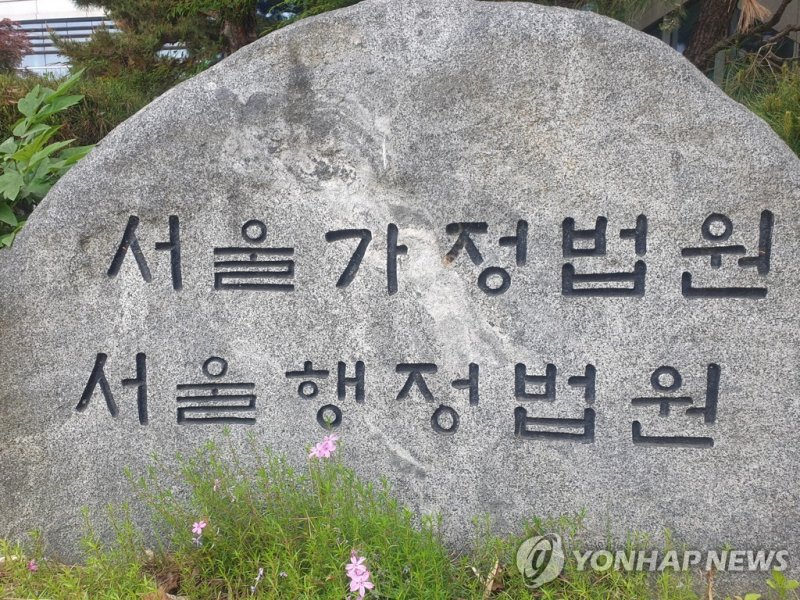
[Financial News] A soldier facing discharge filed a lawsuit after being denied an extension to stay in the official residence but lost. The court ruled that eviction deferment is exceptionally possible but not mandatory.
According to the legal community on the 8th, the 11th Administrative Division of the Seoul Administrative Court (Presiding Judge Kim Junyoung) ruled against plaintiff A in a lawsuit against the Commander of the National Chemical, Biological, and Radiological Defense Command for the invalidation of the non-approval of the military official residence eviction deferment.
A, who was commissioned in 2000, worked at the Chemical, Biological, and Radiological Defense Command and lived with his family in an official residence in Songpa-gu, Seoul. In March 2021, he was transferred to another division and had to vacate the residence, but was granted a deferment until February 2024 under the military housing support operation directive, which applies if there are children in grades 2 or 3 of middle or high school as of the order date.
In January this year, facing discharge, he applied for another eviction deferment based on the regulation that "a person whose discharge date is within one year and is transferred to a different work area can be deferred." However, the headquarters did not approve it in January last year, citing reasons such as remodeling work on other official residences.
In response, A filed an administrative appeal claiming that the headquarters had deviated from or abused its discretion, but it was dismissed, leading to an administrative lawsuit.
The court sided with the headquarters. The court stated, "The state must provide housing support such as official residences to soldiers so they can focus on their duties by ensuring stable living conditions, but it is not obligated to provide a specific official residence in the desired area of the soldier."
Furthermore, it explained, "When transferred to another unit, the principle is to vacate the existing official residence and move to the one managed by the transferred unit, and the eviction deferment system is prepared as an exception to consider the stability of dependent family life," adding, "The headquarters is granted broad discretion regarding the approval of eviction deferment."
Considering the high preference for the official residence located in Songpa-gu, it was explained that "if A, who received one eviction deferment, competes with another applicant, it is necessary to provide the latter with the opportunity to move in."
Additionally, it was considered that the headquarters had informed A in advance of the possibility of eviction deferment restrictions and had guided alternative measures such as moving into a new unit's official residence or housing fund support, yet A did not take any action, and no new reasons for eviction deferment were recognized.
[email protected] Choi Eunsol Reporter