End of ROK-US Combined UFS Exercise... 20 Field Training Exercises Postponed to Next Month
- Input
- 2025-08-28 11:36:20
- Updated
- 2025-08-28 11:36:20
North Korea, MDL Violation During Exercise, Daily Criticism... Surface-to-Air Missile Provocation
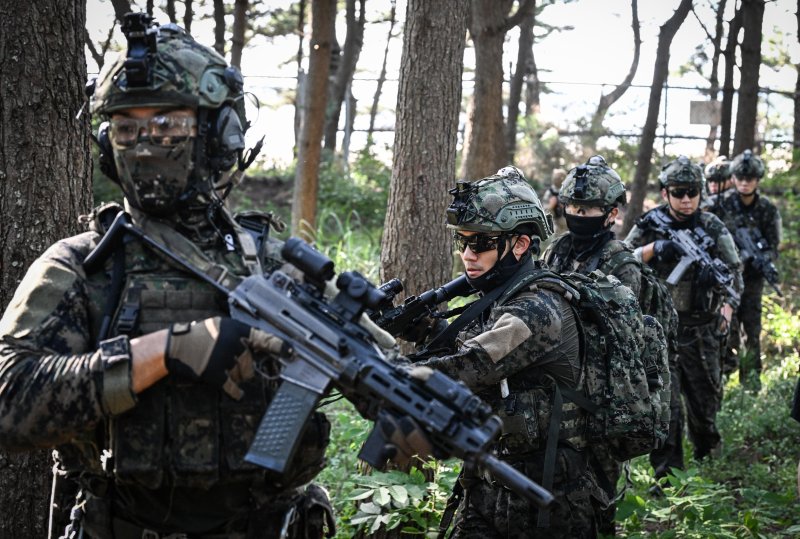
On the 28th, the ROK-US Combined Forces Command stated, "This exercise reaffirmed the solid defense posture of the ROK-US alliance, further strengthened the combined readiness posture, deterred any provocations, and demonstrated the ability to defend both countries if necessary."
In this exercise, combined and joint operations were conducted across all domains, including land, sea, air, space, and cyber, and realistic threats derived from recent warfare analysis were reflected in the exercise scenario.
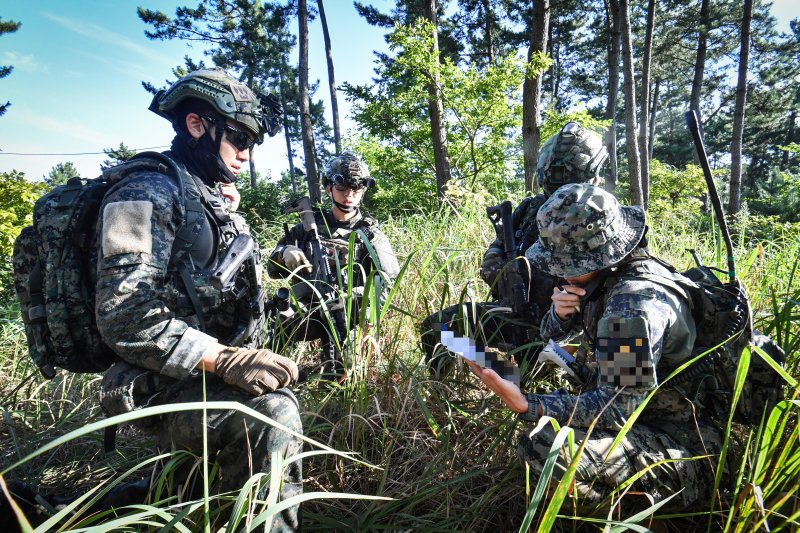
In particular, the United States Special Operations Command Korea and the Republic of Korea Special Warfare Command mastered missions such as countering weapons of mass destruction, direct strike operations, and special reconnaissance missions.
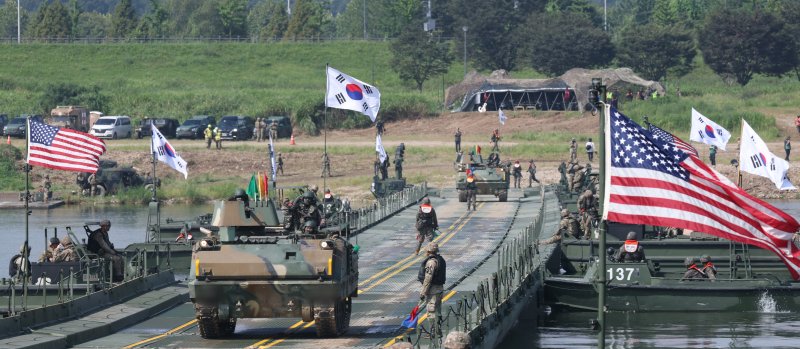
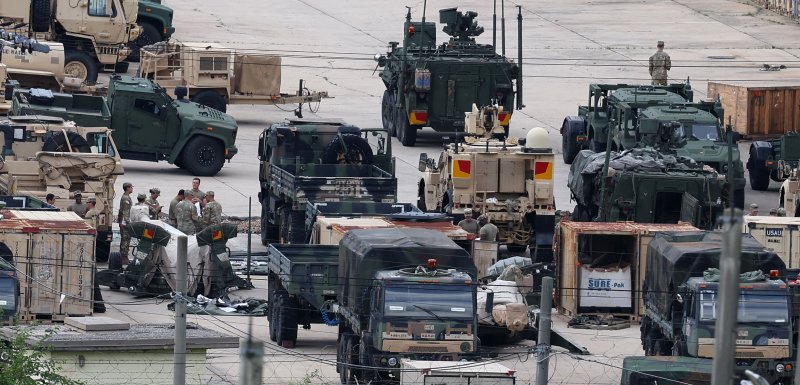
The US 8th Army, as the ground component command, conducted extensive combined training across the Korean Peninsula, confirmed interoperability with the Republic of Korea Army, and strengthened combat readiness. It led river crossing training, sustained support training with Korean military logistics units, air asset operations, KATUSA mobilization training, maritime anti-special operations unit training, and Army scientific combat training group maneuver training.
The US 7th Air Force and the Republic of Korea Air Force conducted thousands of sorties across the Korean Peninsula, focusing on key missions such as air superiority, close air support, and interdiction operations, integrating various air power including 5th generation fighters.
The US Navy, in cooperation with the 7th Fleet and the Republic of Korea Navy Operations Command, strengthened combined maritime operations, and the US Marine Corps 3rd Marine Expeditionary Force, USFK Marines, and Republic of Korea Marines focused on enhancing amphibious operation readiness and combined maneuver capabilities.
Although not visibly apparent, the US Space Force in Korea (United States Space Force, USSF), one of the six branches of the US military (Army, Navy, Air Force, Marine Corps, Coast Guard, Space Force), participated in UFS and collaborated with the Republic of Korea Air Force Space Operations Group to enhance space domain awareness, detection, and warning capabilities.
The Combined Forces Command emphasized that through this exercise, the Republic of Korea government, civilian agencies, and emergency response personnel participated together in the planning and execution stages to comprehensively review crisis management and civilian protection procedures.
This year, the size of the UFS exercise is similar to previous years, but 20 out of the planned 40 field training exercises (FTX) will be conducted next month due to reasons such as the heatwave and North Korea's opposition to the ROK-US combined exercise.
Meanwhile, during the UFS period on the 19th, some of the 30 North Korean soldiers engaged in construction and maintenance work in the Demilitarized Zone crossed the Military Demarcation Line (MDL). In response, our military issued a warning broadcast followed by warning shots. North Korea also conducted test firings of two types of newly improved surface-to-air (anti-aircraft) missiles on the 23rd to verify their combat capabilities.
This missile test launch was interpreted as a counter-response to the UFS exercise and a provocation targeting President Lee Jae-myung's visits to Japan and the United States.
In particular, North Korea continued to claim and criticize through statements by the spokesperson of the General Staff of the Korean People's Army during the UFS exercise period, calling it "an extremely provocative and aggressive large-scale live exercise" and "an expression of clear war intent" through the statement of the First Deputy Chief of Staff.
A USFK official dismissed North Korea's routine criticism, stating, "UFS is a regular and defensive exercise based on the ROK-US Mutual Defense Treaty." The Joint Chiefs of Staff evaluated, "Through this exercise, we have solidified the alliance's response capabilities and posture, including 'combined and joint all-domain operations,' and supported government departments' wartime readiness exercises (Eulji Exercise) and actual training to enhance the nation's total war execution capability at the government level."
[email protected] Lee Jong-yun Reporter