Samsung Semiconductor Accelerates Hiring of Skilled Workers in the US... Signals Expansion in Local Production and Investment
- Input
- 2025-08-28 09:00:00
- Updated
- 2025-08-28 09:00:00
As orders from US big tech increase, local production and hiring also accelerate
Positions with an annual salary of 250 million won included, requiring advanced technical capabilities
Positive signals from Lee Jae-yong's visit to the US and interaction with Jensen Huang
Positions with an annual salary of 250 million won included, requiring advanced technical capabilities
Positive signals from Lee Jae-yong's visit to the US and interaction with Jensen Huang
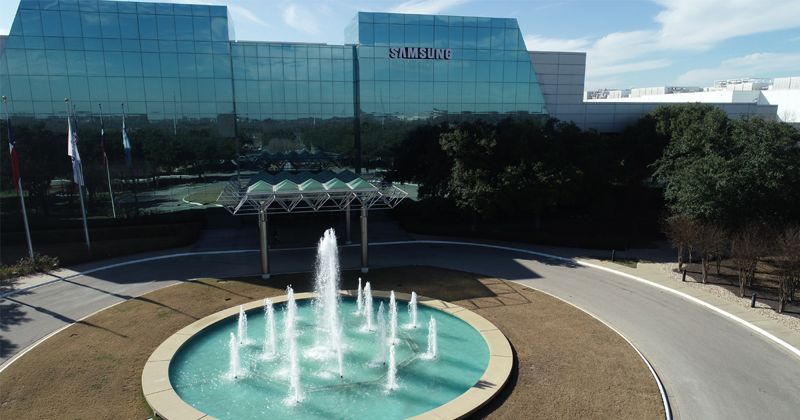
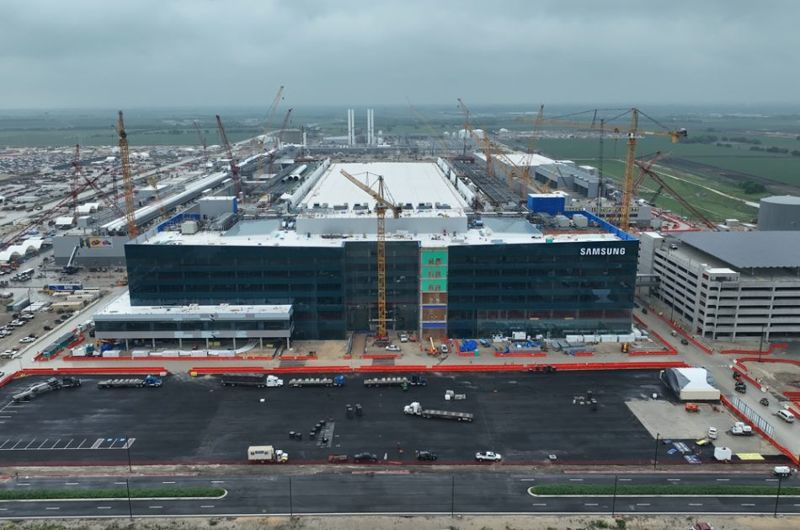
[Financial News] Samsung Electronics is steadily continuing to hire semiconductor talent in the US. With a foundry (semiconductor contract manufacturing) plant in Taylor and Austin, Texas, the ongoing hiring policy is maintained, and recently, numerous new job postings have been added, accelerating the hiring trend. In some advanced technical positions, the annual salary reaches up to 250 million won, indicating a strategy to secure competitive talent rather than simple replenishment.
■Strategic 'Talent Preemption'
On the 28th, according to industry sources, Samsung Electronics newly posted job openings for 12 positions over two days from the previous day to today in the Taylor and Austin areas where semiconductor plants are located. Among the recruitment fields, key technical positions responsible for new technology process development (TD) and logic process integration are included. This role leads technical analysis and improvement work across the entire process, including securing initial yield in semiconductor mass production, managing defect rates, and verifying equipment conditions, requiring advanced technical capabilities distinct from simple production roles. The compensation level is also high. The job posting for this position lists an annual salary of up to $179,090, which is approximately 250 million won. This is a top-tier salary level even in the US semiconductor industry. Additionally, the compensation package includes benefits and performance-based incentive programs.
Samsung Electronics' acceleration of hiring in the US aligns with the trend of expanding orders from major clients. Recently, Samsung Electronics announced a contract to manufacture advanced AI semiconductor chips worth $16.5 billion (about 23 trillion won) from Tesla in the US and decided to supply image sensors for the next-generation iPhone with Apple, expanding the workload at US factories. An industry official said, "Samsung Electronics' increase in hiring at US factories is an attempt to enhance production and technical capabilities locally," adding, "There is significant demand from those who see growth potential domestically and want to move to US fabs."
■Lee Jae-yong's Visit to the US. Expansion of US Investment
The job postings in the Taylor and Austin areas continue to be uploaded, indicating that the talent acquisition policy is a 'continuous recruitment' trend rather than a one-time hiring. It is a proactive talent acquisition move considering the operation of new lines and mid-to-long-term strategies. In fact, Samsung Electronics has announced plans to invest $37 billion (about 52 trillion won) in Taylor by 2030 to expand its semiconductor production base in the US and is reportedly continuing to review follow-up investments. Internally, additional production line expansions are also being discussed.
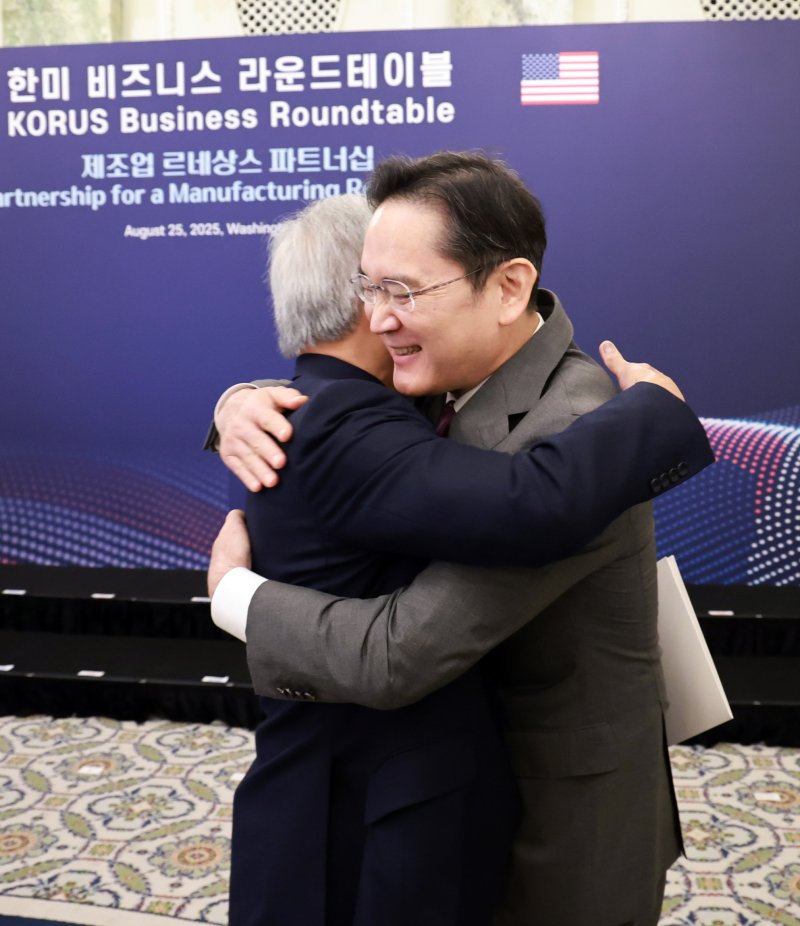
Recently, Lee Jae-yong, Chairman of Samsung Electronics, was seen interacting with key figures in the US semiconductor ecosystem during his visit to the US and was spotted conversing with Jensen Huang, CEO of Nvidia, at the Korea-US Business Round Table, reinforcing this strategy. As the head of the company is involved, expectations for further investment expansion and customer expansion in the US are growing. An industry official said, "The move to preemptively secure production capacity ahead of increasing orders is becoming clear," adding, "As the operation of local factories and customer response systems expand, further investment discussions may continue in the mid-to-long term."
[email protected] Lim Soo-bin Reporter