"Can't leave the house"... Even if real estate enforcement is illegal, resisting is 'guilty'
- Input
- 2025-08-25 11:28:42
- Updated
- 2025-08-25 11:28:42
Forced execution against daughter for real estate occupied by children
Son protests with trespassing and occupation
Son protests with trespassing and occupation
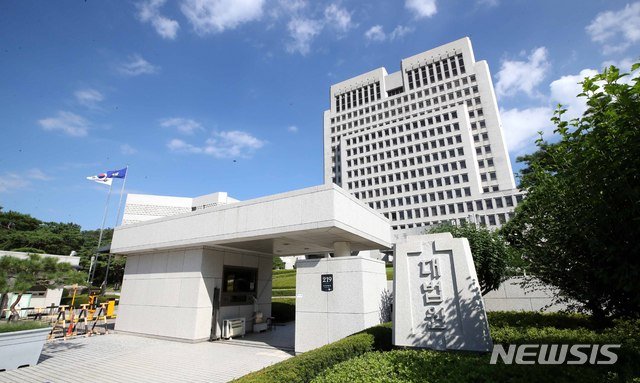
[Financial News] The Supreme Court has ruled that even if real estate enforcement is not carried out legally, its effect is recognized. If a house occupant resists illegal enforcement and stays in the house, they can be punished.
According to the legal community on the 25th, the Supreme Court's 2nd Division (Presiding Judge Eom Sang-pil) confirmed the original sentence of 10 months in prison with a 2-year probation for Mr. A, who was indicted for obstructing the utility of real estate enforcement.
Mr. A's father, Mr. B, owned a house in Cheonan, Chungnam, which was jointly occupied by his son Mr. A and daughter Ms. C. When the children did not vacate the house, Mr. B filed a lawsuit for house delivery against Ms. C and won, and the house was delivered through enforcement.
However, on the day of enforcement, Mr. A opened the door and entered the house. The next day, when the new homeowner tried to enter the house for wallpapering, Mr. A reported him for trespassing and occupied the house for more than three weeks with sleeping bags and fans.
As a result, Mr. A was put on trial for obstructing the utility of real estate enforcement.
Mr. A argued that he practically managed and occupied the house by sleeping there, renting it as a short-term accommodation through a lodging-sharing platform, and paying utility bills. He claimed that the enforcement against only Ms. C was illegal.
The first and second trials recognized that Mr. A had independent possession rights and judged that the delivery enforcement on the part he occupied was illegal.
However, since the delivery enforcement was completed and possession was transferred to his father, Mr. A's entry into the house was seen as an act of obstructing the utility of enforcement, and he was sentenced to 10 months in prison with a 2-year probation.
Mr. A appealed, but the Supreme Court's judgment was the same. The Supreme Court cited the existing precedent that "the effect of court enforcement continues unless the disposition is canceled through a lawful procedure, and even if there were some unfair parts in the enforcement process, it is not allowed to deny the effect of the entire enforcement and revert to the pre-enforcement state, so possession acquired through illegal delivery orders should be protected unless there are special circumstances."
The Supreme Court pointed out, "Even though the real estate delivery enforcement was illegal as it was conducted only against Ms. C, assuming the defendant was a joint occupant of the house, the possession acquired through such enforcement should be protected, so the defendant's act constitutes the crime of obstructing the utility of real estate enforcement and does not qualify as a justifiable act."
[email protected] Minji Seo reporter