[fn Editorial] Petrochemical Restructuring, Need for Determination to Overcome Foreign Exchange Crisis
- Input
- 2025-08-20 18:13:58
- Updated
- 2025-08-20 18:13:58
Reduce production capacity by 25% through industry autonomy
Execute restructuring with determination
Execute restructuring with determination
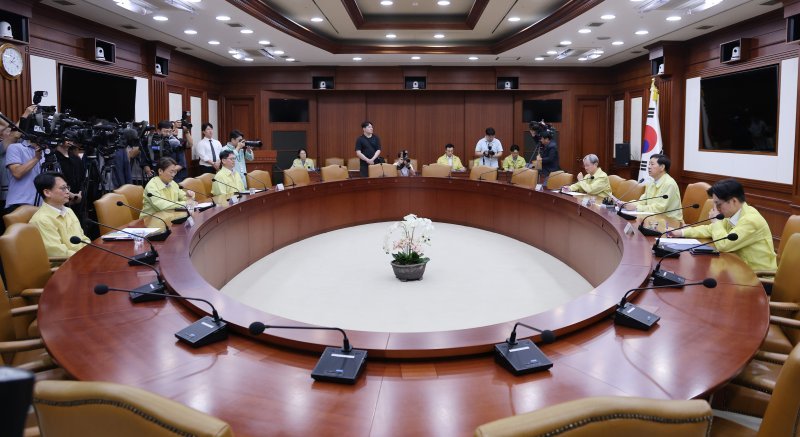
Accordingly, representatives of 10 petrochemical companies with NCCs held a voluntary agreement ceremony on the 20th and decided to establish restructuring plans for each company and begin reducing production. The government plans to comprehensively review the companies' self-rescue efforts and then provide support measures such as finance, taxation, research and development (R&D), and deregulation. Support will be differentiated according to the level of effort.
The petrochemical industry was a highly profitable industry just five years ago, to the extent that it was called the 'goose that lays golden eggs'. Conglomerates rushed in, and there were hardly any groups without NCC plants, leading to overinvestment. Production capacity was increased, but a global recession hit, and in addition, China's low-cost offensive, which expanded NCC facilities as much as we did, led to a crisis of massive deficits overnight.
The crisis of companies does not end with the companies, which is the problem. The memory of the foreign exchange crisis, where several conglomerates collapsed due to octopus-style expansion and as a result, the entire country and people suffered, is still vivid. The primary responsibility for the petrochemical industry crisis lies with the companies that focused on expanding facilities without predicting the recession and China's low-cost dumping. Before imposing a heavy burden on the national economy and the people as a whole, companies must execute restructuring with determination.
This is not the first time the government has announced a petrochemical industry restructuring plan. At the end of last year, the first measures were announced, but companies passed the responsibility, thinking they just needed to weather the storm, and wasted time. There is no time or opportunity for that now. With increased production and low-cost offensives from China and the Middle East, the future of the petrochemical industry will not brighten quickly. If competitiveness falls, companies must quickly reduce production facilities and shift to high value-added products to survive and save the nation.
The government has demanded the submission of self-rescue plans by the end of the year, but there is not much time. If companies continue to compete and refuse to yield to minimize losses, they will miss the last golden time for restructuring. It is only right that companies that have made significant profits so far show more initiative in restructuring.
Restructuring does not stop at reducing facilities but may also involve workforce reductions. It will also make the local economy difficult. We have already had similar experiences in the shipbuilding industry. This was also due to China's volume offensive. However, the shipbuilding industry overcame the crisis with restructuring and high value-added ship manufacturing and is entering a second leap through cooperation with the United States. The petrochemical industry should take this as a lesson, take a breather, and seize the opportunity to re-advance into a future-oriented petrochemical industry that will dominate the market.
The government's role is more important in times of crisis. Emphasizing only autonomy could kill a company that can be saved, as in the case of Hanjin Shipping. The government should not hesitate to use coercive power when necessary and should not be swayed by labor unions. Moreover, it should not spare support to shift to the production of high value-added products.