Samsung Electronics Must Exceed Lee Jae-yong's Shares When Applying Intel's Calculation Method
- Input
- 2025-08-20 17:06:08
- Updated
- 2025-08-20 17:06:08
Trump's MAGA Edge Targets Advanced Global Companies Like Semiconductors in Tariff Wars Between Nations
Semiconductor Companies Like Samsung Electronics 'Thunderstruck'
"Transferring Listed Company Shares to Foreign Governments, Breach of Trust"
Intel's 10% Stake Push... When Calculation Method Applied
Samsung Electronics' Stake at 1.5% Level... Approaching Lee Jae-yong
Semiconductor Companies Like Samsung Electronics 'Thunderstruck'
"Transferring Listed Company Shares to Foreign Governments, Breach of Trust"
Intel's 10% Stake Push... When Calculation Method Applied
Samsung Electronics' Stake at 1.5% Level... Approaching Lee Jae-yong
■'Approaching Lee Jae-yong's Shares When Applying 'Intel Calculation'
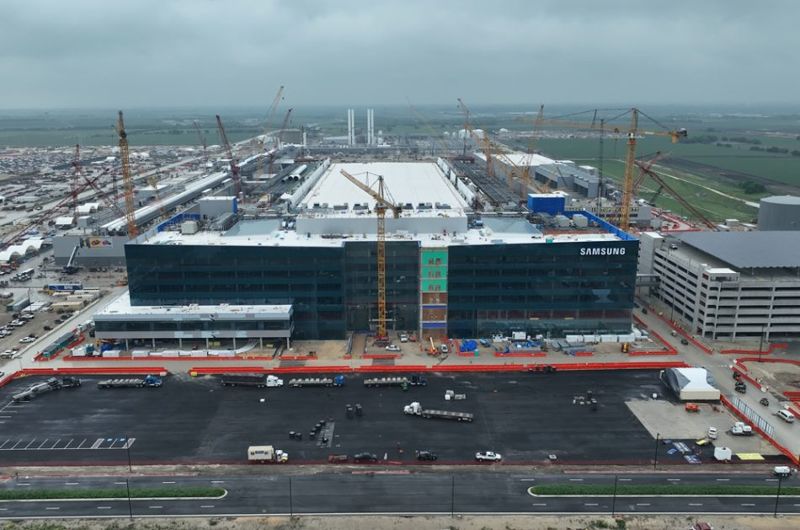
On the 20th, the domestic semiconductor industry and trade authorities were shocked by the news of the U.S. reviewing the acquisition of shares in Samsung Electronics, describing it as "thunderstruck." In the past, during the 2008 global financial crisis, the U.S. government temporarily nationalized some financial companies like AIG by injecting public funds, but attempting 'share seizure' against high-quality semiconductor companies that invested in the U.S. is unprecedented even in the U.S.
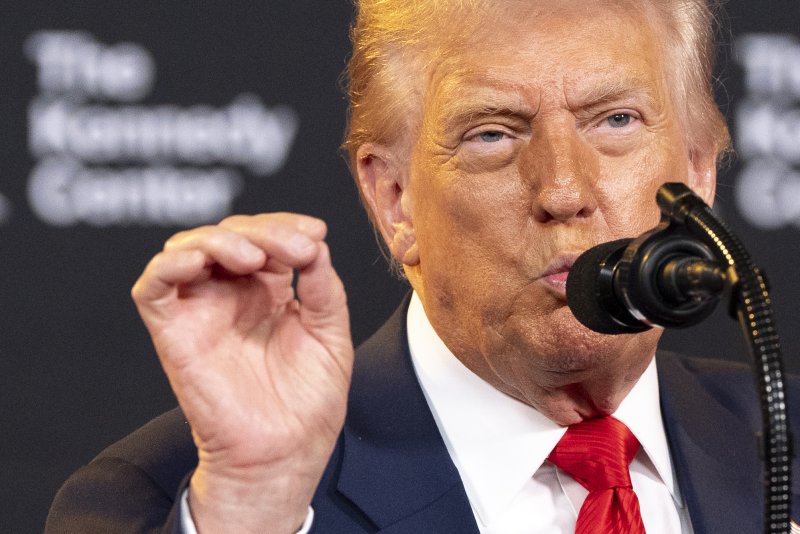
Currently, the Trump administration is pursuing a plan to become the largest shareholder by supporting funds equivalent to about 10% of Intel's market cap (approximately $10.9 billion), which would give them a 10% stake in Intel. If this calculation method is directly applied to Samsung Electronics (U.S. CHIPS Act subsidy of $4.7 billion or 6.5 trillion won), the U.S. would acquire approximately a 1.5% stake. This is comparable to Lee Jae-yong, Chairman of Samsung Electronics' personal stake of 1.65%.
Currently, Samsung Electronics and TSMC are refraining from official responses while closely monitoring whether the U.S. will specifically demand shares. It seems that Lee Jae-yong's visit to the U.S. as part of the economic delegation for the Korea-U.S. summit from the 24th to the 26th will be burdensome. The business community believes that Chairman Lee has prepared a 'gift package' by expanding the existing U.S. investment plan of $47 billion (announced in 2024).
A senior official in the domestic semiconductor industry, who requested anonymity, said, "Demanding shares of foreign companies using subsidies offered as an inducement for U.S. investment is an act that breaks trade contracts and common sense," adding, "If the U.S. demands shares in Samsung Electronics during the Korea-U.S. summit, the government should actively block it," and "Instead, we should demand additional support from the U.S. through this additional investment."
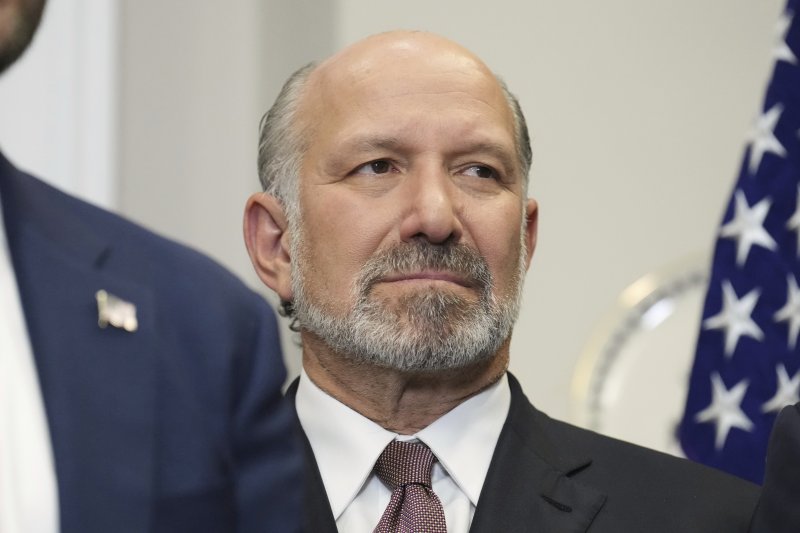
Nevertheless, the semiconductor industry does not rule out the possibility of the U.S. realizing such plans. Nippon Steel agreed to issue a golden share to the U.S. government, allowing it to intervene in the management of US Steel as a condition for acquiring US Steel. NVIDIA and AMD are being asked to pay 15% of the profits earned in China to the U.S. government in exchange for semiconductor exports to China. It appears that the Trump administration, which dropped tariff bombs on countries around the world in the first half of the year, is now beginning to actively intervene in the management of companies in various countries.
[email protected] Cho Eun-hyo Reporter