Restructuring 'Mandatory Expenditure' that Swelled Like a Snowball
- Input
- 2025-08-19 11:17:52
- Updated
- 2025-08-19 11:17:52
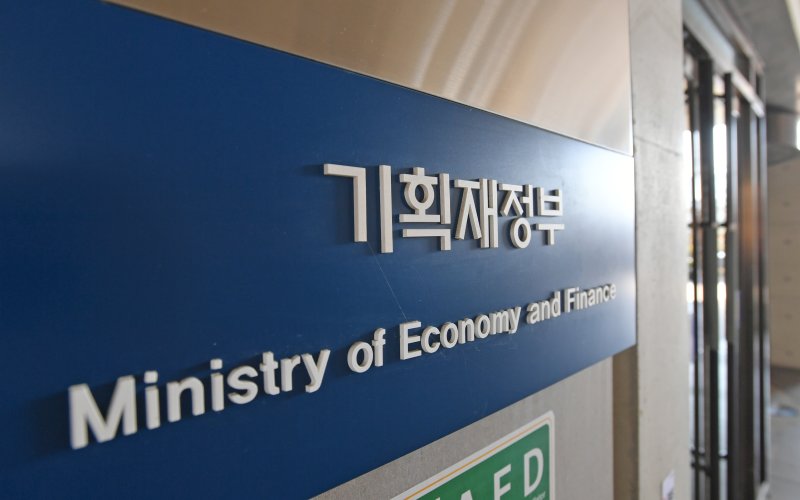
[Financial News] The government is embarking on restructuring 'mandatory expenditure' determined by law. This is to secure fiscal soundness and to prepare resources for the 'active finance' advocated by the Lee Jae-myung administration.
According to related ministries on the 19th, the Ministry of Strategy and Finance is considering including reforms to the mandatory expenditure system in the 2026 budget proposal, such as strengthening the criteria for job-seeking benefits (unemployment benefits) and adjusting the distribution of local education financial grants (education grants) from education tax. Previously, Yoo Byung-seo, the budget director of the Ministry of Strategy and Finance, reported to President Lee Jae-myung on the 13th at a national finance savings meeting about a 27 trillion won expenditure restructuring plan, including a 2 trillion won mandatory expenditure restructuring.
The government plans to include measures to prevent moral hazard in unemployment benefits in this budget proposal. The focus will be on eradicating fraudulent receipt behaviors such as repeatedly receiving benefits through short-term employment and unemployment or hiding income during the benefit period.
In fact, cases of exploiting loopholes in the unemployment benefit system are steadily increasing.
According to the Ministry of Employment and Labor, the amount of fraudulent receipt of unemployment benefits increased by 20.3% from 26.8 billion won in 2022 to 32.2 billion won in 2024. The number of 'repeat recipients' who received unemployment benefits more than three times over five years also increased by about 20% from 93,000 in 2020 to 113,000 in 2024.
The government is reviewing measures to strengthen the recognition criteria for repeat recipients. Currently, if the employment insurance subscription period exceeds 180 days, one can qualify for benefits, leading to many cases of system abuse, especially among short-term contract workers. The government is known to be considering substantial penalties, such as significantly reducing the benefit amount for short-term repeat recipients. It is also reviewing measures to strengthen the 'income recognition criteria' to block fraudulent receipt cases of 'hidden income' through platform work, freelancing, or ultra-short-term part-time jobs during the unemployment benefit period.
The government is also addressing the distribution system of education grants funded by the education tax. Reflecting the structural change of declining school-age population, it plans to reduce the allocation ratio of education grants within the education tax and increase the ratio allocated to higher education sectors such as universities.
Instead of extending the special accounts for education and training, which are scheduled to sunset at the end of this year, the government plans to adjust the distribution ratio through legal amendments to increase the share of the special account for training. Despite the sharp decline in the number of elementary, middle, and high school students due to low birth rates, the automatic increase in grants according to the law is a structural problem. The aim is to increase the proportion allocated to university education to make finances more efficient. This is also a follow-up measure to the tax reform plan announced by the government last month. The government included an amendment to the education tax law to double the education tax rate applied to financial companies' revenue exceeding 1 trillion won from the existing 0.5% to 1.0%.
The government's move to address mandatory expenditure is due to concerns about the deteriorating fiscal situation. Previously, in the '2026 Budget Proposal Guidelines' announced in March, the government officially introduced mandatory expenditure restructuring for the first time, and President Lee Jae-myung also instructed, "Restructure the budget that is routinely spent."
[email protected] Choi Yong-jun Reporter