Seoul City Blocks Summer Restaurant Food Poisoning Risk...1985 Places Inspected, 22 Violations Found
- Input
- 2025-08-18 14:45:10
- Updated
- 2025-08-18 14:45:10
136 Cases of Food Poisoning Concerns Collected and Tested
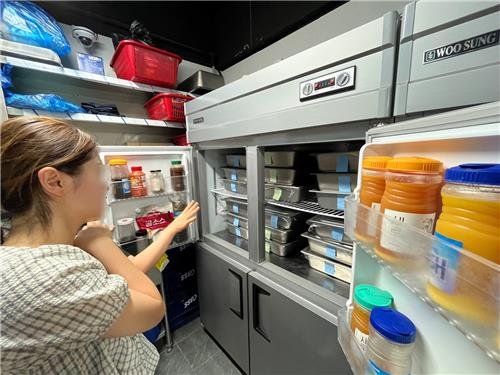
[Financial News] Recently, with the increased risk of food poisoning due to summer heatwaves and heavy rains, Seoul City has begun inspections focusing on summer foods frequently consumed, such as naengmyeon, kongguksu, and health foods. They plan to strengthen hygiene management by conducting collection tests concurrently to preemptively block food poisoning risk factors.
Seoul City announced on the 18th that they proactively inspected 1985 restaurants frequently visited by citizens and found 22 violating establishments.
Seoul City analyzed the food poisoning occurrence status over the past 5 years from 2020 to 2024, revealing that half of the 56 food poisoning cases during the summer (June to August) occurred in restaurants (28 cases). The main causes identified were pathogenic Escherichia coli (6 cases, 21.4%) and Salmonella (5 cases, 17.9%).
This inspection was conducted over two months from June to July. It focused on 733 establishments handling popular summer foods like naengmyeon, kongguksu, and patbingsu, 668 establishments using eggs in dishes like gimbap and toast, and 438 establishments offering health foods like samgyetang.
Additionally, 146 restaurants within accommodations experiencing a surge in summer vacation visitors, as well as those near camping sites and event venues, were included, bringing the total number of inspected restaurants to 1985.
The city focused on hygiene conditions such as kitchens, facilities, and ingredients, compliance with storage temperature maintenance for frozen and refrigerated products, adherence to food labeling standards and unreported product usage, personal hygiene of workers, and compliance with hygienic handling standards such as wearing hygiene caps.
As a result of the inspection, 15 violations of the Food Sanitation Act were found, with administrative actions including 7 fines, 7 facility improvement orders, and 1 administrative cancellation.
Major violations included 1 case of not conducting health check-ups, 1 case of poor kitchen hygiene, 5 cases of not wearing hygiene caps in the kitchen, 7 cases of not installing lids on food waste bins, and 1 case of facility destruction.
Along with hygiene inspections, the city also conducted collection tests on frequently consumed summer foods. They collected and tested a total of 136 cases, including 108 cases of patbingsu, naengmyeon, kongguksu, and edible ice, and 28 cases of egg-containing foods like gimbap and toast, issuing 'business suspension' administrative actions for 7 cases exceeding standards.
Major violations included 1 case of exceeding Staphylococcus aureus in mango bingsu, 4 cases of exceeding E. coli in naengmyeon and kongguksu, and 2 cases of exceeding bacteria count in edible ice from coffee shops.
According to ready-to-eat food standards, Staphylococcus aureus should be detected at 100 or less per gram, E. coli at 10 or less per gram, and bacteria count at 1000 or less per mL. However, some detected establishments exceeded these standards by up to 3 times for Staphylococcus aureus and up to 50 times for E. coli.
Seoul City is promoting food poisoning management through the campaign 'Sonbogugaseyo!' which takes the first letters of five basic rules for preventing food poisoning. These include making handwashing a habit (washing hands for more than 30 seconds under running water), maintaining storage temperatures (keeping refrigerated foods at 5℃ or below, frozen foods at -18℃ or below), using separate utensils (separating raw and cooked foods, using separate knives and cutting boards), heating (cooking meat to a core temperature of 75℃, seafood to 85℃ for more than 1 minute), and washing and disinfecting (thoroughly washing and disinfecting ingredients and cooking utensils), which can be easily practiced not only in restaurants but also at home.
Yang Gwang-sook, head of Seoul City's Food Policy Division, stated, "We plan to continue conducting hygiene inspections of restaurants to prevent food poisoning and take strict actions against violations, further strengthening food hygiene management," and urged, "We ask not only restaurant operators but also citizens to actively cooperate in practicing food poisoning prevention rules, such as washing hands and maintaining storage temperatures for ingredients."
[email protected] Lee Chang-hoon Reporter