Internal Combustion Engine, Hybrid, and Even Electric Cars 'Together' Production... Renault Busan Plant's 'Gamble'
- Input
- 2025-08-18 14:40:05
- Updated
- 2025-08-18 14:40:05
Through a large-scale update, production of internal combustion engines, hybrids, and pure electric cars
Introduction of new robots and investment in new methods, replacement of equipment such as chassis hangers
Introduction of new robots and investment in new methods, replacement of equipment such as chassis hangers
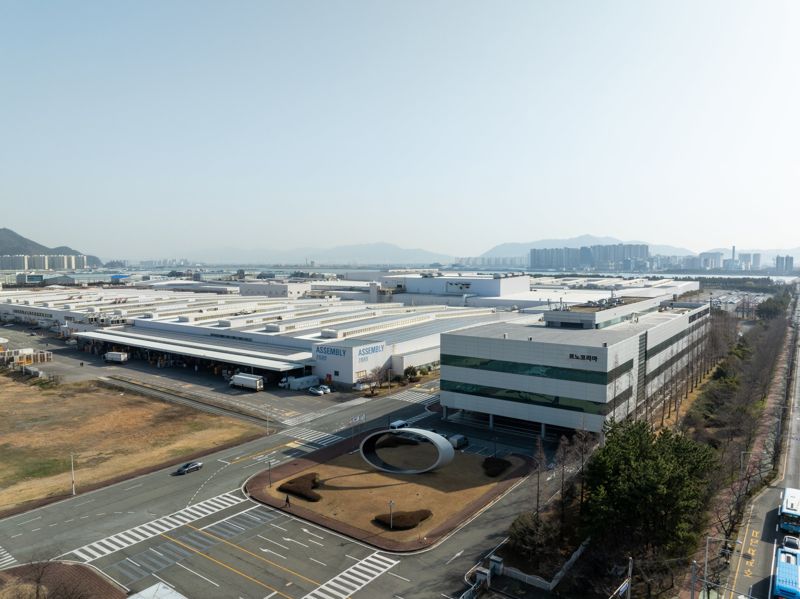
[Financial News] Renault Korea Busan Plant is attracting attention by establishing a system that can produce internal combustion engines, hybrids, and electric cars together for the first time in the country.
According to the industry on the 18th, the Busan Plant located in Sinhosan Industrial Complex, Gangseo-gu, Busan, has accumulated production and quality know-how for nearly 30 years since its completion in 1997. With the addition of facilities capable of manufacturing the latest pure electric cars, it is evaluated to have secured flexible manufacturing competitiveness.
The Busan Plant boasts world-class quality and productivity, competing for 1st to 2nd place within the group in major production quality management indicators evaluated for over 20 Renault Group automobile plants worldwide. During the production of Nissan Rogue for North American export from 2014 to 2020, it also dispelled initial quality concerns and led to additional orders.
In particular, in January of this year, a large-scale update was carried out to enable simultaneous production of internal combustion engines, hybrid vehicles, and pure electric cars. The assembly plant was stopped, and a maximum of 740 personnel were deployed per day, replacing and newly installing a total of 68 facilities. Through this, the Busan Plant has maintained its existing strength in mixed production capacity while also acquiring the ability to produce pure electric cars along with existing gasoline, LPG, and hybrid vehicles.
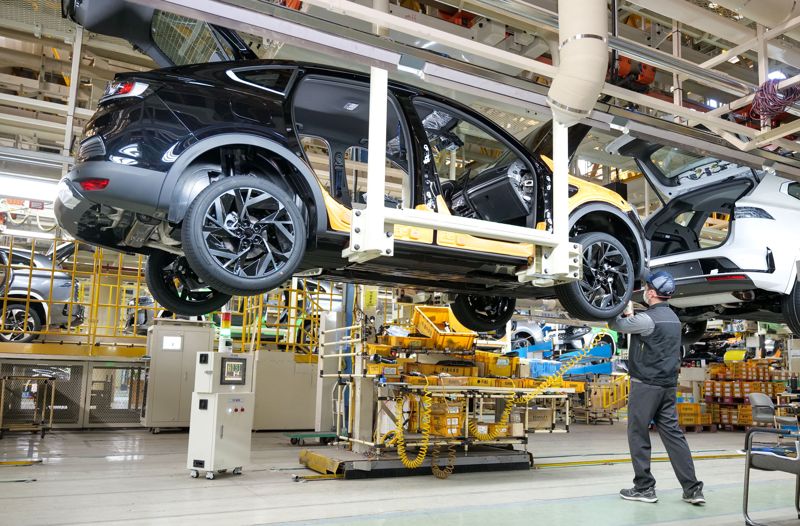
The body plant, the first process of car production, is currently operating a total of 887 robots, and recently introduced 116 new robots for the production of Grand Koleos and 'Aurora 2', which is scheduled to be released in the first half of next year. In addition, investments in new methods such as SPR (Self Piercing Rivet) used for joining dissimilar metals and FDS (Floor Drill Screw) used for assembling ultra-high-strength steel plates were also made. Through this, it is explained that it has become possible to achieve both weight reduction and rigidity of the body.
In the assembly plant, key facilities including chassis hangers were massively replaced, and a dedicated sub-line for battery installation was newly established. Since electric cars are about 25% heavier than internal combustion engine vehicles due to the large-capacity battery installation, reinforcement of the facilities is essential.
Renault Korea Busan Plant aims to secure unwavering competitiveness in the global electrification trend by establishing this mixed production system for electric cars.
A Renault Korea official said, "We will further solidify our value as a production base that grows together with the local community, as well as strengthening our status as a strategic base within the Renault Group." [email protected] Jeong Won-il Reporter