[fn Editorial] Electricity Rate Increase Reform Plan Must Gain Sufficient Public Consensus
- Input
- 2025-08-17 18:32:05
- Updated
- 2025-08-17 18:32:05
Rapid Introduction of Renewable Energy is a Burden
Transition to Low Energy Consumption, High Efficiency Structure
Transition to Low Energy Consumption, High Efficiency Structure
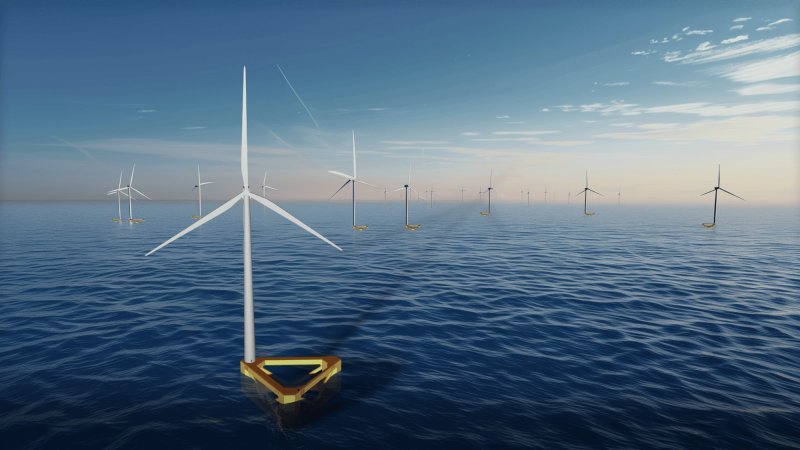
First, it is pointed out that the electricity rate increase plan is an inevitable choice due to the expansion of renewable energy. The government plans to raise the proportion of renewable energy to 29.2% by 2038. The problem is that the production cost of solar and offshore wind power is 3 to 6 times more expensive than nuclear power. For the current government, which is driving renewable energy policies, an electricity rate increase is essential. However, major countries in the United States and Europe are also maintaining or expanding the proportion of nuclear power. While the expansion of renewable energy is indeed a trend of the times, if an appropriate level of energy mix between renewable energy and nuclear power is pursued, the range of electricity rate increases can also be determined within a reasonable scope.
Before increasing electricity rates, it is also necessary to address the chronic issue of energy overconsumption in our country. The per capita electricity consumption in our country is the third highest in the world, indicating severe energy waste. Although electricity-saving campaigns are conducted regularly every year, the culture of energy overconsumption remains. This can be seen as a side effect of keeping electricity rates below cost for a long time. It is said that before increasing electricity rates, it is necessary to first check the excessive energy leakage factors. The same goes for the industrial structure. If electricity rates rise, companies will face increased management costs. Therefore, the industrial structure must also transition to a low energy consumption, high efficiency structure.
The electricity rate increase plan is not as easy as it sounds. Both the Moon Jae-in and Yoon Suk-yeol administrations declared the normalization of energy prices but ultimately failed to keep their promises. An increase in electricity rates stimulates inflation, and high inflation leads to a decline in government approval ratings. It is common to miss the timing of electricity rate increases while watching public opinion. Such policy missteps have only further exacerbated the financial crisis of Korea Electric Power Corporation. The irrational structure where KEPCO bears the electricity costs that the public should pay has persisted.
Now is the time to break the link of the abnormal electricity rate system. The electricity rate increase plan is inevitable from the perspective of strengthening national competitiveness. This is because it is closely linked with energy policies, which are the backbone of the national industry. Core industries such as semiconductors and AI cannot grow without a stable energy supply. However, it should not be confined to the inevitable choice for expanding renewable energy. It is hoped that an electricity rate adjustment plan will be prepared within the big picture that encompasses a rational mix of renewable energy and nuclear power, energy efficiency policies, and financial stabilization plans for KEPCO.