"Even the Trusted Convenience Store".. Home Shopping and 2nd Quarter 'Simultaneous Slump' Due to Domestic Demand Slump
- Input
- 2025-08-17 15:12:33
- Updated
- 2025-08-17 15:12:33
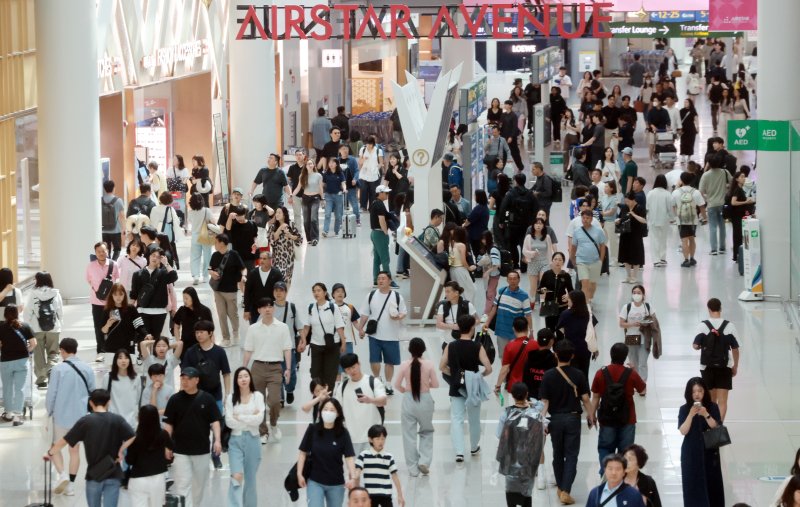
[Financial News] As the slump in domestic demand continues, convenience stores and home shopping, which have been a pillar of the offline distribution industry along with department stores and large supermarkets, have not escaped poor performance in the second quarter of this year.
According to the industry on the 17th, the sales growth rate of GS25 and CU, the leaders in the convenience store industry in the second quarter of this year, slowed down, and profitability deteriorated. CU's second-quarter sales were 2.2383 trillion won, up 2.9% from the same period last year, but operating profit decreased by 13.3% to 60.2 billion won. It is the first time that CU has overtaken GS25 to take the top spot in terms of sales. GS25's sales during the same period were 2.2257 trillion won, an increase of only 1.5%, and operating profit decreased by 9.1% to 59 billion won.
Both Seven Eleven and Emart24 showed a decline in both sales and profits. Seven Eleven's sales decreased by 9.4% to 1.2503 trillion won, and the operating loss slightly narrowed to 8.7 billion won. Emart24's sales decreased by 5.9% to 532.2 billion won, and the operating loss increased by 1.7 billion won from the previous year to 4.4 billion won. As the overall sales growth of the convenience store industry slows and profitability declines, even the relatively resilient convenience store industry seems to have entered a phase of low growth.
The home shopping industry also continued its sluggish trend. The home shopping industry is experiencing deteriorating profitability amid structural limitations such as a decrease in TV viewers and the expansion of online shopping.
Lotte Home Shopping's second-quarter sales decreased by 0.6% year-on-year to 231 billion won, and operating profit decreased by 24.8% to 12.2 billion won. A Lotte Home Shopping representative explained, "Despite adjustments to the product portfolio, such as reducing intangible products, sales and operating profit both declined due to the impact of decreased TV viewers." GS Shop also saw sales decrease by 2.7% to 265.8 billion won and operating profit decrease by 7.4% to 25.2 billion won. CJ OnStyle's sales increased by 3.7% to 385.8 billion won, but operating profit decreased by 22.0% to 21.4 billion won, showing a decline in profitability.
However, Hyundai Home Shopping's separate sales decreased by 0.5% to 274.1 billion won, but operating profit increased by 4.5% to 22.2 billion won. Hyundai Home Shopping stated, "By reducing the proportion of high-priced products such as electronics and focusing on beauty, fashion accessories, and food, we have improved profitability." The home shopping industry is strengthening mobile live broadcasts to respond to the decrease in TV viewers, but it is difficult to find a breakthrough due to intensified competition with online retailers. The structural limitation of having to spend more than 70 won on broadcasting fees for every 100 won of sales remains. Last year, the average broadcasting fee ratio of seven TV home shopping companies reached 73.3%.
clean@fnnews.com Lee Jeong-hwa Reporter