Store Owner Who Handed Over Customer's Phone to Police... Reason for 'Not Guilty' [Seocho Cafe]
- Input
- 2025-08-13 14:42:26
- Updated
- 2025-08-13 14:42:26
"Not Personal Information Learned in Connection with Work"
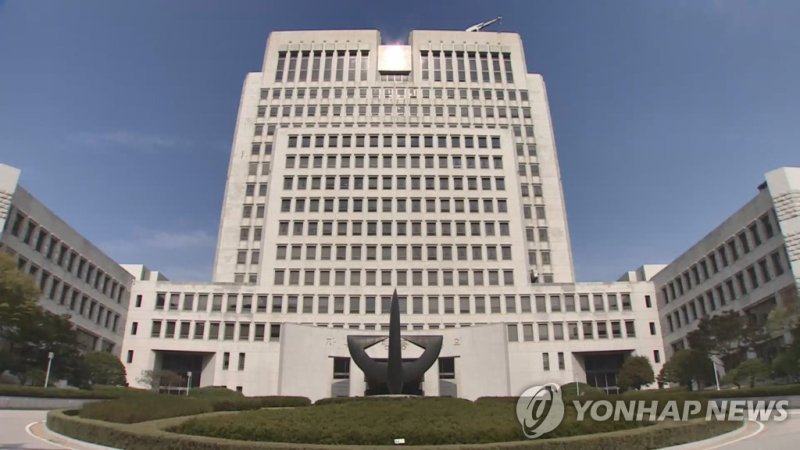
[Financial News] The Supreme Court has ruled that a mobile phone store operator who handed over a customer's used device to the police after replacing it cannot be punished for violating the Personal Information Protection Act.
According to the legal community on the 13th, the Supreme Court's first division (Presiding Judge Seo Kyung-hwan) confirmed the original verdict of not guilty for Mr. A and others who were indicted for violating the Personal Information Protection Act.
Mr. A, who runs a mobile phone store, replaced customer Mr. B's phone in March 2018 and received the old phone on the condition that personal information would be deleted. However, he was brought to trial for handing it over to two police officers in August of the same year without resetting the phone.
The police officers were also indicted for checking Mr. B's family and acquaintances' contact information stored on the phone, photos of Mr. B and his family, and text messages exchanged with acquaintances.
The issue was whether the information obtained through the phone constituted personal information as defined by the Personal Information Protection Act and whether Mr. A could be considered a 'personal information processor or someone who had processed it.'
The first and second trials both acquitted Mr. A and the two police officers.
The court ruled that while the contact information of family and acquaintances and photos of family members could be considered personal information under the Personal Information Protection Act due to the possibility of identifying individuals, text messages were not considered as such.
Moreover, the court judged that the information stored on Mr. B's phone could not be seen as 'personal information learned in connection with the work of processing personal information' by Mr. A.
The second trial court stated, "It is difficult to see that Mr. A's storage of Mr. B's personal information left on the old phone terminal was 'work processing personal information' merely because he operates a mobile phone store."
The Supreme Court's judgment was the same. The Supreme Court explained, "Only when personal information is processed 'in the course of business' are acts such as disclosure, provision, or leakage prohibited," and "acts of processing personal information in a private domain unrelated to work and disclosing or providing personal information learned in that process or leaking collected or held personal information are not punished."
[email protected] Minji Seo Reporter