[fn Editorial] Petrochemical Industry Bankruptcy Crisis, Urgent Need for Government-Level Restructuring
- Input
- 2025-08-12 19:04:35
- Updated
- 2025-08-12 19:04:35
YNCC received emergency support but the spark remains
The stage where individual companies can solve it has already passed
The stage where individual companies can solve it has already passed
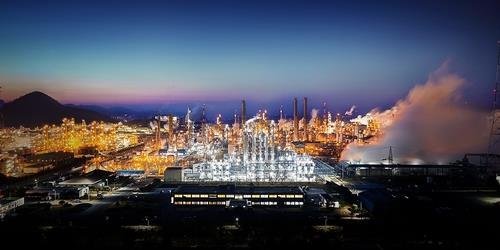
DL Group and Hanwha Group's joint venture Yeocheon NCC (YNCC) overcame the bankruptcy crisis with DL's emergency funding. The immediate crisis has been averted, but it is uncertain when the liquidity crisis might resurface. YNCC, which recorded an operating profit of 387.1 billion won in 2021, has posted losses for three consecutive years due to oversupply and recession in China.
Including the 200 billion won received in the form of a capital increase this time, the funds YNCC received from DL and Hanwha amount to 500 billion won. The market situation is unlikely to change easily, so additional support may be needed. In short, it's a bottomless pit. This company was a profitable company, being the third-largest ethylene producer in Korea after LG Chem and Lotte Chemical, with annual operating profits of 300 billion to 1 trillion won.
The petrochemical industry, as a whole, achieved exports of about 48 billion dollars (about 66.6 trillion won) last year, making it one of Korea's main industries following semiconductors, automobiles, and general machinery, but the situation changed rapidly due to the offensive from China and the Middle East. Several conglomerates have petrochemical affiliates, so the impact is spreading across each group. Last year, Lotte Chemical's insolvency, which recorded a deficit in the trillions, also sparked crisis rumors for the Lotte Group.
It would be fortunate if it stopped there, but the management difficulties of the petrochemical industry have the potential to shake our entire economy, making it a serious problem. Boston Consulting Group (BCG), which conducted a consulting service for the restructuring of the petrochemical business, said last year, "If things continue as they are, 50% of the current petrochemical companies could close." The economies of regions with petrochemical industrial complexes, such as Yeosu and Seosan, are already taking a direct hit. Concerns about job losses are increasing, with tens of thousands of workers in related industries and partner companies.
Nevertheless, the government's attitude is so complacent that it can be described as indifferent. The Ministry of Trade, Industry and Energy announced the 'Plan to Enhance the Competitiveness of the Petrochemical Industry' in December last year. It included providing 3 trillion won in policy finance to the petrochemical industry, but there has been no news for eight months since then. Although there were more urgent matters such as the president's impeachment and tariff negotiations with the United States, that cannot be an excuse.
Not only YNCC, but also about 10 other petrochemical companies are in management difficulties. The stage where individual companies can solve it on their own has passed due to structural problems in the industry. The government should prepare restructuring plans and present a comprehensive restructuring plan for the petrochemical industry. It is not a matter to be left to the companies' own efforts.
We have the painful experience of Hanjin Shipping, which was the world's 7th largest shipping company, being finally declared bankrupt due to management difficulties. The Korean shipping industry's competitiveness plummeted due to the government's lack of measures and misjudgment, which prioritized financial logic. Meanwhile, Japan and Taiwan overcame the crisis by merging and expanding struggling shipping companies with government intervention. The petrochemical industry should not become a repeat of the Hanjin Shipping incident.
Any industry can face a crisis. Government-level preemptive restructuring in response to such situations is an essential procedure to minimize damage. We have not forgotten the experience of the foreign exchange crisis, where the government endured pain and carried out bold restructuring work to prevent the collapse of the entire Korean economy and quickly recover. Before the situation worsens, the government should present and implement a comprehensive plan to address the management difficulties of the petrochemical industry.