'Relational Crime' Provincial Police Command Increases... Active Separation of Perpetrators
- Input
- 2025-08-08 16:04:17
- Updated
- 2025-08-08 16:04:17
Even if punishment is not desired, necessity of investigation is assessed
Over 400 cases weekly... Highest level response
Cases requesting re-offense risk assessment result in perpetrator separation
Deployment of Ki Soon-dae and 'focused activity' extended until the end of this month
Over 400 cases weekly... Highest level response
Cases requesting re-offense risk assessment result in perpetrator separation
Deployment of Ki Soon-dae and 'focused activity' extended until the end of this month
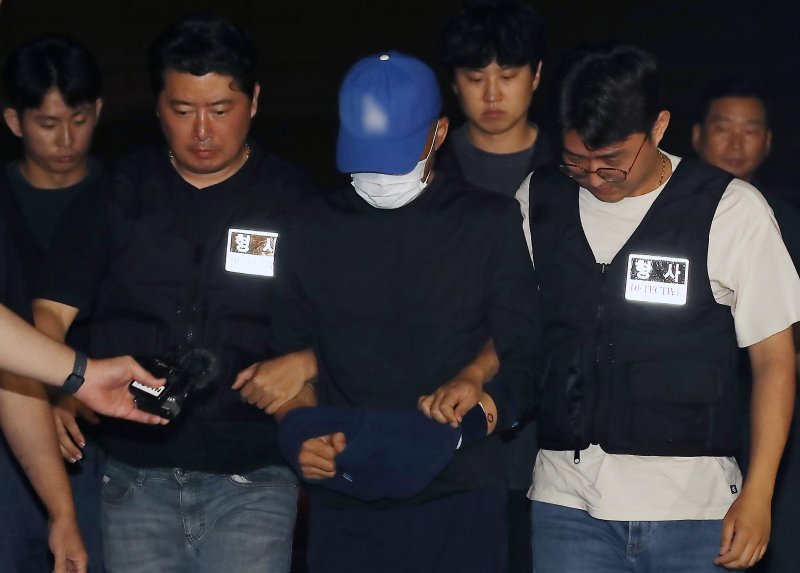
[Financial News] As serious incidents such as stalking and dating murders in intimate relationships continue, it has been revealed that provincial police commands are actively intervening in investigations. The number of dismissals of arrest warrants, which made it difficult to separate perpetrators, is also decreasing.
According to the police on the 6th, the 18 provincial police commands nationwide have directed investigations into 1,631 relational crime cases from the 3rd of last month to the end of the same month and transferred 62 cases directly to investigation departments.
The provincial police command is focusing on cases that may escalate into serious incidents, such as repeated offenses.
When an incident occurs, the police quickly receive command reports and assess the risk of re-offense to implement victim separation. Due to the nature of intimate relationships, even if the victim does not wish for punishment, the necessity of further investigation is assessed. The provincial police command is directing or directly investigating over 400 relational crime cases weekly, responding at the highest level.
The Gyeonggi Nambu Provincial Police Agency merged and investigated the case of Mr. A, who was separated after forcibly molesting his stepdaughter and then threatened to harm himself when he visited his estranged wife.
'Re-offense risk assessment' is also being utilized to secure approval for arrest warrants or detention applications. The method involves submitting the profiler's assessment of stalking re-offense risk to the court to acknowledge the necessity of arrest. All six cases analyzed by the 24th of last month had their arrest or detention applications accepted. For 27 cases requesting re-offense risk assessment, the policy is to separate the perpetrator from the victim.
The Gangwon Provincial Police Agency applied for an arrest warrant after confirming the previous report history and assessing the re-offense risk in a domestic violence case where Mr. B assaulted his brother. The Seoul Songpa Police Station analyzed the re-offense risk in a case where the older sister and brother-in-law continuously assaulted their younger brother and obtained an arrest warrant.
The 'relational crime focused activity period,' initially scheduled to operate from the 3rd of last month to the 6th of last month, has been extended until the 29th. Cases with stalking restraining orders will be thoroughly reviewed by the 29th to reassess the risk.
The police response has also been strengthened. Measures such as deploying a mobile patrol unit around the perpetrator to physically block them are being intensified. In cases where the perpetrator, who has received a restraining order or other disposition, is deemed to have a high risk of re-offense, a team of 7-8 members is deployed around the subject's workplace, residence, and activity area. Patrols or foot patrols are conducted to ensure the subject is aware of the police presence, and stop-and-search checks are also conducted.
A police official said, "As secondary harm to victims of relational crime continues, we will preemptively block the criminal intent of perpetrators with a high risk of re-offense."
[email protected] Kang Myeong-yeon Reporter