[fn Editorial] Samsung.LG Jackpot News, More Support Needed for Growing Companies
- Input
- 2025-07-30 18:37:56
- Updated
- 2025-07-30 18:37:56
Foundry 23 trillion won · Battery 6 trillion won orders
Swift and bold removal of web-like regulations
Swift and bold removal of web-like regulations
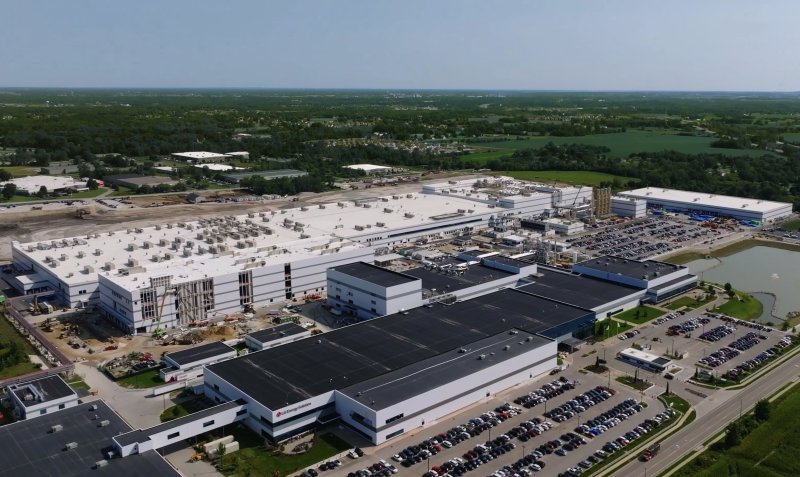
This achievement by LG is somewhat a 'reflection benefit' effect of the U.S. raising tariff barriers on Chinese batteries. However, no matter how much the U.S. tries to check China, which is engaged in a global supply chain hegemony battle, it is unlikely to buy products if their performance is poor. The U.S. government and the public know that 'cheap is expensive.' It means that the performance and safety of our batteries are very high. It is significant in that it breaks the monopoly structure of China, which has led the global LFP battery market with price competitiveness and volume offensive. If this trend continues, our global battery market share is expected to rise. Moreover, LG Energy Solution has the most production bases in the U.S. among domestic battery companies, giving it high price competitiveness compared to Chinese products struggling with tariff bombs.
For LG Energy Solution, which had struggled due to the slowdown in the North American electric vehicle market, expanding ESS battery supply has created a new breakthrough. Samsung's foundry order jackpot is a solid achievement for Samsung, which had been struggling with huge deficits due to the sharp drop in memory prices, lagging behind Taiwan's TSMC, the world's largest foundry manufacturer, securing a long-term supplier for future AI and autonomous driving chips. Thanks to this, the stock price has recovered to '70,000 won' and is on a high march.
The implications of the good news from the two global companies representing Korea are significant. First, it is likely to work favorably in the final stages of the Korea-U.S. tariff negotiations. It is evaluated that a favorable negotiation structure has been formed for us by reaffirming that we are an essential partner in the advanced product supply chain to the U.S. Business leaders also stepped up to help by directly engaging in sales. Following Lee Jae-yong, chairman of Samsung Electronics, and Kim Dong-kwan, vice chairman of Hanwha Group, Chung Eui-sun, chairman of Hyundai Motor Group, headed to the U.S. that day. However, the individual skills of companies are not enough. For such large orders not to be a one-time event and to lead to continuous growth and a major transformation of the industrial ecosystem, the government must step in.
The web-like regulations that close the growth plate of companies must be completely eliminated. The government and local governments, which hold the regulatory sword, must implement various regulatory reform measures, such as reducing the total amount of regulations or expanding regulatory innovation organizations. To enable companies to continuously invest in new growth infrastructure such as advanced technology development, subsidies and tax credits should be expanded, and administrative and financial incentives such as the introduction of a fast-track licensing system should be increased. Just in time, President Lee Jae-myung promised to boldly and swiftly abolish administrative convenience regulations, past regulations, and unnecessary regulations to support the creative activities of companies. The role of the government is to lay the groundwork for companies to play freely on the international stage.