Imminent Tariffs on Pharmaceuticals, K-Pharma Bio "Monitoring Closely and Responding"
- Input
- 2025-07-30 14:40:59
- Updated
- 2025-07-30 14:40:59
US "High Tariffs if Factories are Not Built in the US"
Observing Tariff Situation Rather Than Moving Hastily
Celltrion with High US Share "Eliminated Risks"
Observing Tariff Situation Rather Than Moving Hastily
Celltrion with High US Share "Eliminated Risks"
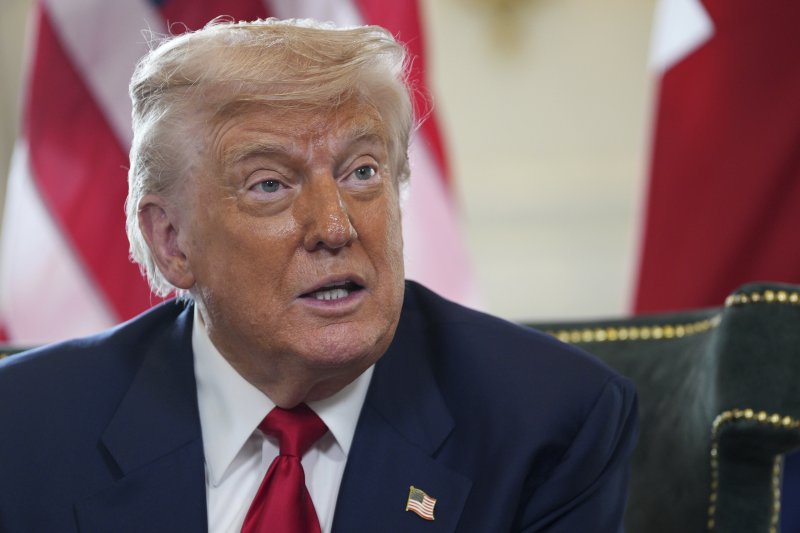
[Financial News] As the possibility of the US government officially imposing tariffs on imported pharmaceuticals grows, the domestic pharmaceutical and bio industry is closely monitoring the situation with tension.
Celltrion, which has a high share of sales in the US, is actively responding by securing production facilities within the US, while most companies plan to determine their response after seeing the level of pharmaceutical tariffs announced.
According to foreign media on the 30th, Howard Lutnick, US Secretary of Commerce, said in a media interview on the 29th (local time), "President Donald Trump will announce the pharmaceutical tariff plan within two weeks," and "If pharmaceutical factories are not built in the US, huge tariffs will have to be paid." He indicated that the implementation of the pharmaceutical tariff policy is imminent, stating, "We will conclude trade negotiations by Friday (August 1)."
President Trump also stated at an event on the 15th that "a preparation period of about 1 to 1.5 years will be given, and thereafter, a high tariff of up to 200% will be imposed," and a 15% tariff on European pharmaceuticals has already been confirmed.
As the tariff situation is rapidly evolving, high tariffs on pharmaceuticals are also expected to be imposed. An industry official said, "At this point, since the specific items or tariff rates are not clear, many companies are setting their response strategies after the policy is announced rather than moving hastily."
However, in the case of Celltrion, which has a high dependence on the US market, preemptive measures have already been completed. More than 30% of Celltrion's annual sales come from North America, including the US.
To respond to the tariff risk from the US, Celltrion is moving two years' worth of product inventory to the US to prepare for short-term shocks, while investing about 700 billion won to secure and prepare to operate production facilities within the US.
Seo Jeong-jin, Chairman of Celltrion, emphasized in an online press conference on the 29th, "If the US wants, the group's basic policy is to produce and sell in the US," and "the goal is to completely eliminate tariff risks."
The industry sees this policy as potentially burdensome for some companies' exports in the short term, but in the long term, it could signal an expansion of production within the US and a reorganization of the global supply chain. The possibility of expanding the tariff targets beyond finished products to active pharmaceutical ingredients (API) and generics cannot be ruled out.
In addition to Celltrion, companies with a potential increase in US market share in the medium to long term need to establish US market-tailored response strategies.
Meanwhile, the US is applying "Section 232 of the Trade Expansion Act," which allows high tariffs on specific industries for national security reasons, and this pharmaceutical policy is being pursued in this context.
[email protected] Kang Joong-mo Reporter