Prescription Drug Prices to Rise: US to Impose Tariffs on Pharmaceuticals Within 2 Weeks
- Input
- 2025-07-30 13:10:20
- Updated
- 2025-07-30 13:10:20
Tariff Rate Higher Than 15% Expected
[Financial News] The US Donald Trump administration plans to impose high tariffs on imported pharmaceuticals within the next 2 weeks.
The US and the European Union (EU) have agreed on a trade deal that imposes a 15% tariff on pharmaceuticals, but higher tariffs are expected on pharmaceuticals imported from other countries.
Howard Lutnick, US Secretary of Commerce, said in an interview with CNBC on the 29th (local time) that pharmaceuticals were a key agenda in the US-EU trade agreement along with automobiles, and "President Trump will announce tariffs on imported pharmaceuticals within 2 weeks, and they will be very high."
Secretary Lutnick said that pharmaceutical companies are making huge profits by selling drugs to the US, questioning "Why should we buy their pharmaceuticals?" and stating "If we have to buy pharmaceuticals from them, they should be manufactured in the US."
President Trump announced earlier this month the imposition of tariffs on imported pharmaceuticals.
At that time, President Trump mentioned starting with low tariffs from the 1st of next month and increasing them over 12-18 months, potentially imposing up to 200%.
With the conclusion of the US-EU trade negotiations, a 15% tariff will be applied to pharmaceuticals produced in EU member states and exported to the US, avoiding the 200% tariff, but the impact of prescription drug price increases is expected to remain as pharmaceuticals are the fifth most imported item by the US.
CNBC reported that it is unclear how the tariffs on imported pharmaceuticals mentioned by President Trump will be specifically implemented and what the tariff rates will be, causing difficulties for pharmaceutical companies and patients.
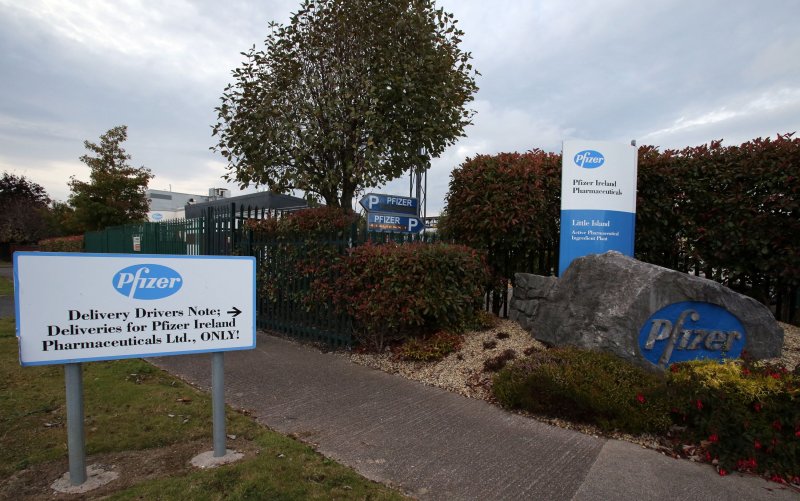
One of the targets of the pharmaceutical tariffs is known to be Ireland. President Trump has often criticized Ireland for attracting many US pharmaceutical companies through low corporate taxes. The US pharmaceutical tariff plan has caused mixed reactions among pharmaceutical companies. Companies with manufacturing bases in the US, like Eli Lilly, Bristol-Myers Squibb, and AbbVie, are relatively prepared, while companies like Roche and Novartis face significant risks, according to analyst Steve Scala from investment bank TD Cowen.
Pharmaceutical companies are likely to raise drug prices to mitigate the impact of tariffs. Scala pointed out that "in a situation where patients face high drug costs, it cannot be politically justified." Additionally, although pharmaceutical companies could reduce research and development (R&D) costs, it is difficult to cut them easily as innovation is the key to long-term growth for companies.
jjyoon@fnnews.com Jaejun Yoon, Reporter