Korea's Health Level in Top Tier of OECD..Number of Doctors Still Lacking
- Input
- 2025-07-30 12:00:00
- Updated
- 2025-07-30 12:00:00
Healthy and Long-living Koreans, Life Expectancy 83.5 Years
Overweight and Obesity Rate, Second Lowest Among OECD Countries
Number of Doctors Insufficient but Medical Utilization at Global Level
Overweight and Obesity Rate, Second Lowest Among OECD Countries
Number of Doctors Insufficient but Medical Utilization at Global Level
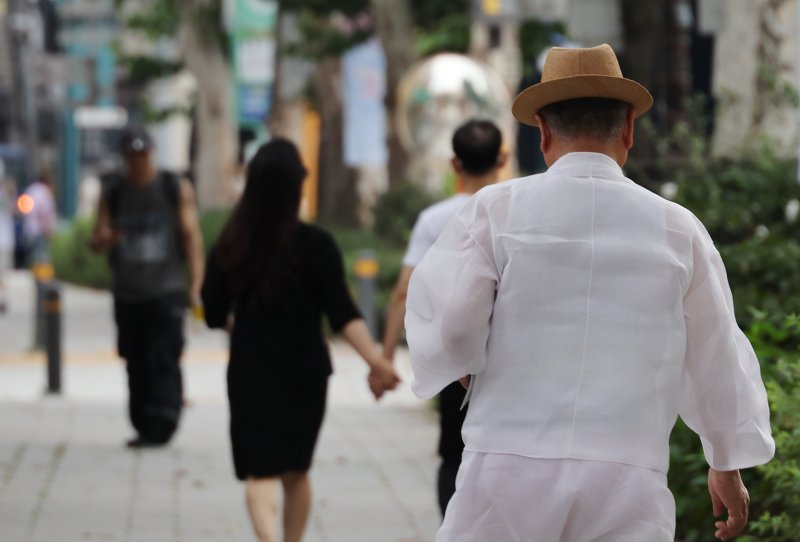
[Financial News] The Ministry of Health and Welfare announced on the 30th that Korea ranked high in major health indicators and was highly evaluated for overall healthcare performance, based on the analysis of 'OECD Health Statistics 2025' released by the Organization for Economic Cooperation and Development (OECD) on the 10th.
This statistic is an international comparative statistic covering the overall healthcare, including health status, healthcare resources, utilization, costs, pharmaceuticals, and long-term care, and is a representative health indicator data published annually by the OECD.
Average Life Expectancy of Koreans 83.5 Years, Top Tier in OECD
As of 2025, the life expectancy of Korean citizens is 83.5 years, which is 2.4 years higher than the OECD average of 81.1 years, placing it in the top tier among member countries.Notably, the avoidable mortality rate, which can prevent death through prevention and treatment, is 151.0 per 100,000 people, 77.6 lower than the OECD average (228.6), indicating the effectiveness of healthcare services.
Korea's smoking rate is 15.3%, and alcohol consumption is 7.8 liters per capita annually, similar to the OECD average (13.2%, 8.6 liters). On the other hand, the overweight and obesity rate is 36.5%, significantly lower than the OECD average (56.2%), making it the second lowest country. This is evaluated as a factor that increases the possibility of preventing chronic diseases.
Number of Doctors Still Low but Medical Level High
In terms of medical resources, it was confirmed that while equipment and beds are abundant, manpower is insufficient. The number of clinical doctors is 2.7 per 1,000 people, and clinical nursing staff is 9.5, both below the OECD average (doctors 3.9, nurses 9.7).On the other hand, there are 38.7 MRI machines and 45.3 CT scanners per 1 million people, exceeding the OECD average (MRI 21.2, CT 31.1).
The number of hospital beds is 12.6 per 1,000 people, about three times the OECD average (4.2).
In medical utilization, Korea once again proved to be at the top level of the OECD. The number of outpatient visits per person is 18 per year, the highest among OECD member countries.
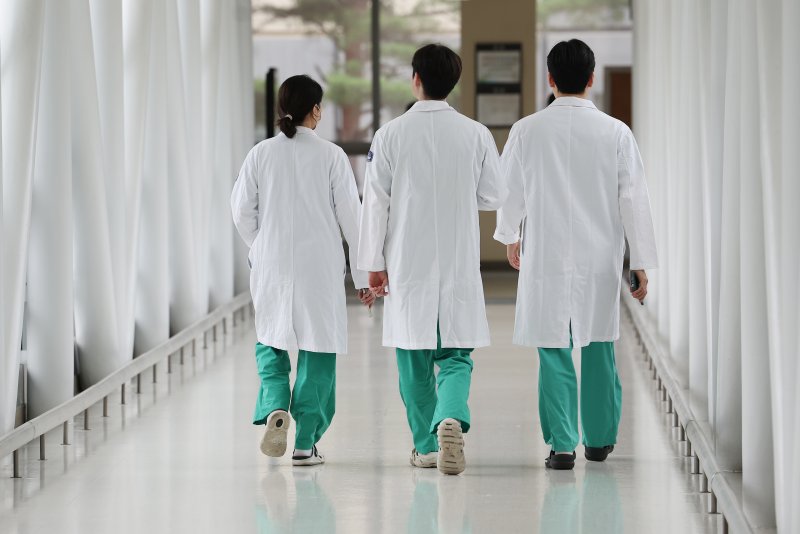
Pharmaceutical consumption was also high. The per capita pharmaceutical sales amounted to 968.9 dollars (PPP basis), more than 310 dollars higher than the OECD average (658.1 dollars).
Total current healthcare expenditure is 8.5% of GDP, slightly lower than the OECD average (9.1%), but has been rapidly increasing over the past 10 years.
Meanwhile, the proportion of long-term care service recipients among the population aged 65 and over is 9.0% for home care and 2.7% for facilities, lower than the OECD average (home care 11.2%, facilities 3.5%). However, due to the increase in the elderly population and demand, it has been continuously increasing over the past 10 years.
Lim Ho-geun, Director of Policy Planning at the Ministry of Health and Welfare, said, “OECD statistics are an important indicator to gauge the current level of our healthcare system and the direction for policy improvement,” adding, “We will continue to strengthen the quality of statistics through cooperation with international organizations and actively utilize them as basic data for policy formulation that the public can feel.”
vrdw88@fnnews.com Kang Jung-mo Reporter