Supreme Court to Appoint First Dedicated Public Defender... Concerns Over 'Work Overload' Raised
- Input
- 2025-07-29 15:49:32
- Updated
- 2025-07-29 15:49:32
Handling 14,000 Appeal Cases Annually... 'Expecting Quality Improvement'
Concerns Over 'Work Concentration and Overload' at the Frontline
Concerns Over 'Work Concentration and Overload' at the Frontline
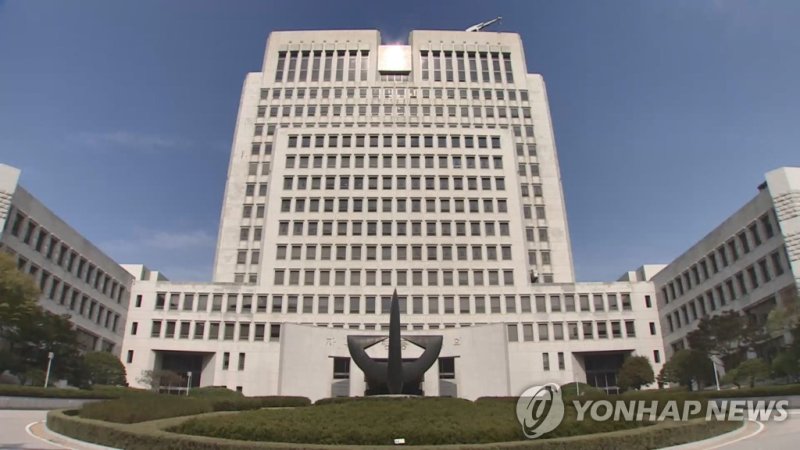
[Financial News] The Supreme Court has started selecting lawyers who will exclusively handle public defense in appeal cases. This is the first time the Supreme Court is appointing dedicated public defenders, with plans to gradually increase the number starting next year. While there is positive feedback that this could better ensure the defendant's right to defense, there are also concerns among frontline public defenders about 'work overload.'
According to the legal community on the 29th, the Supreme Court publicly recruited three dedicated public defenders for appeal cases from the 14th to the 17th. The public defender system is a system where the court appoints a lawyer at the state's expense for defendants without a lawyer, either by authority or voluntarily, in cases where there are conditions such as detention, being a minor, over 70 years old, or difficulty in appointing one due to poverty.
The dedicated public defender system for appeal cases is being introduced for the first time. Previously, the Supreme Court had general public defenders, but they did not exclusively handle public cases. The treatment of dedicated public defenders for appeal cases is expected to be similar to that of dedicated public defenders at district or high courts, with the initial salary expected to be approximately 6 million won before tax.
The Supreme Court explained the background of this system introduction by stating, "We aim to better ensure the defendant's right to defense by introducing the dedicated public defender system, which was only operated at the first and second trial stages, to the appeal stage, and to strengthen the expertise of public defense in appeal cases." They added, "As of 2024, the number of appeal cases handled by general public defenders is around 14,000, the highest among courts nationwide, and the positive evaluation of dedicated public defenders is higher than that of general public defenders in the biannual satisfaction survey of public defenders."
Since appeal cases are conducted through written review without a trial, dedicated defenders will focus on drafting written arguments or responses. The Supreme Court stated, "The important tasks include prompt defendant meetings, reviewing extensive case records, and drafting legally appropriate documents," and explained that cases will be assigned considering complexity and the possibility of meetings.
Expectations and concerns intersect on the ground. A lawyer in Seocho-dong commented, "Previously, there were cases where non-dedicated public defenders at the Supreme Court resigned midway, but having dedicated defenders will help with continuity and stabilization of case handling."
On the other hand, a dedicated public defender at a district court pointed out, "If multiple complex cases come in within the appeal submission deadline, the burden can be significant," adding, "Even if time for drafting documents is secured, taking on multiple cases will greatly increase the workload."
There are also concerns about the practical burden of defendant meetings and record copying since appeal cases come from courts nationwide. A public defender noted, "Even if video meetings are possible, there are realistic difficulties in meeting defendants in detention centers nationwide and copying records."
There is also opposition to the expansion of dedicated personnel while the issue of unpaid fees for general public defenders remains unresolved. Some public defenders have not received allowances for several months to nearly a year, and there are complaints about insufficient operational support.
A lawyer remarked, "There are many cases where allowances are delayed due to budget shortages, and there is no support for operational expenses for dedicated defenders," adding, "In such a situation, increasing dedicated personnel seems inappropriate." A representative of the Korean Bar Association also stated, "While we agree with improving the treatment of dedicated public defenders, increasing public defense personnel is not desirable," and added, "The court should refrain from excessively appointing public defenders arbitrarily."
In this regard, a Supreme Court official stated, "The budget for dedicated public defenders and general public defenders is separate, so diversion is difficult," and added, "The goal is to have as many public defenses as possible, whether dedicated or general."
[email protected] Choi Eun-sol Reporter