Japan and EU Both Invest Over 500 Billion Dollars and Negotiate with the US, South Korea Cornered
- Input
- 2025-07-28 07:04:52
- Updated
- 2025-07-28 07:04:52
US-EU Negotiation Conclusion, Same Conditions as US-Japan Negotiation Conclusion
Large-Scale Investment + Purchase of US Energy + Market Opening Conditions Included
US Dissatisfied with South Korea's Proposed 100 Billion Dollars + α Investment Card
Trump Repeatedly States "No More Extensions or Delays"
Large-Scale Investment + Purchase of US Energy + Market Opening Conditions Included
US Dissatisfied with South Korea's Proposed 100 Billion Dollars + α Investment Card
Trump Repeatedly States "No More Extensions or Delays"
【Silicon Valley=Hong Chang-gi Correspondent】
The United States, after Japan, has also drawn an astronomical investment of 600 billion dollars (830 trillion 700 billion won) from the European Union (EU) and agreed on a trade agreement, pushing South Korea to the brink. The US concluded negotiations with the EU and Japan by imposing only a 15% tariff, including on automobiles, while the 100 billion dollars + α proposed by the South Korean government was not satisfactory. Japan and the EU narrowly concluded negotiations with the US by offering not only large investments in the US but also purchasing US energy and opening markets, but South Korea seems to lack cards in hand.
US-EU Negotiation Conclusion
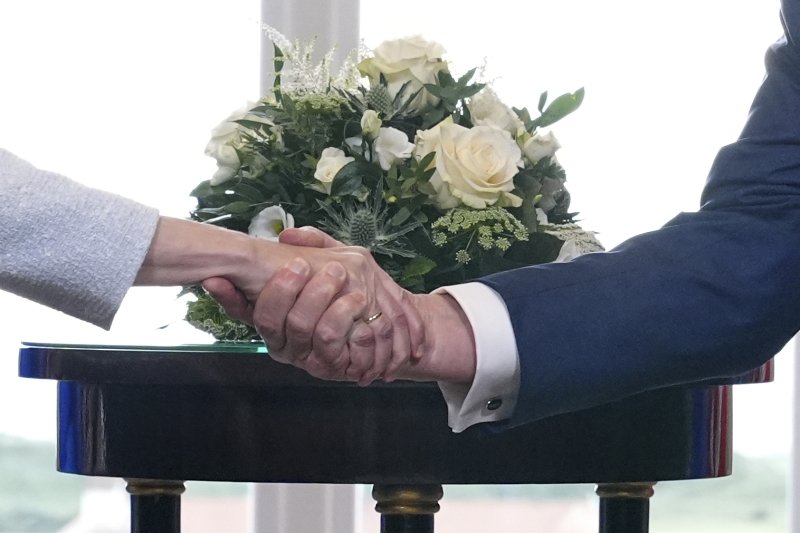
On the 27th (local time), President Donald Trump and Ursula von der Leyen, President of the European Commission, met in Turnberry, Scotland, UK, and concluded trade negotiations. To summarize the US-EU negotiation conclusion, the US imposes a 15% tariff on EU goods imported into the US. The tariff rate for all items, including automobiles, is uniformly 15%. The 30% tariff rate that the US intended to impose was reduced to 15%.
The issue is that the US, like during the conclusion of negotiations with Japan, made the EU promise to execute a large investment in the US. The US included in the agreement that a total of 600 billion dollars (about 830 trillion 700 billion won) worth of investments would be made in the US. Japan's investment amount in the US was 500 billion dollars (about 692 trillion 250 billion won). The 100 billion dollars + α proposed by the South Korean government is a very small amount from the perspective of the US government compared to the EU and Japan's investment amounts.
Furthermore, the US also included in the agreement that the EU would purchase 1,500 dollars (about 207 trillion 700 billion won) worth of US energy. Additionally, the EU will purchase US military equipment.
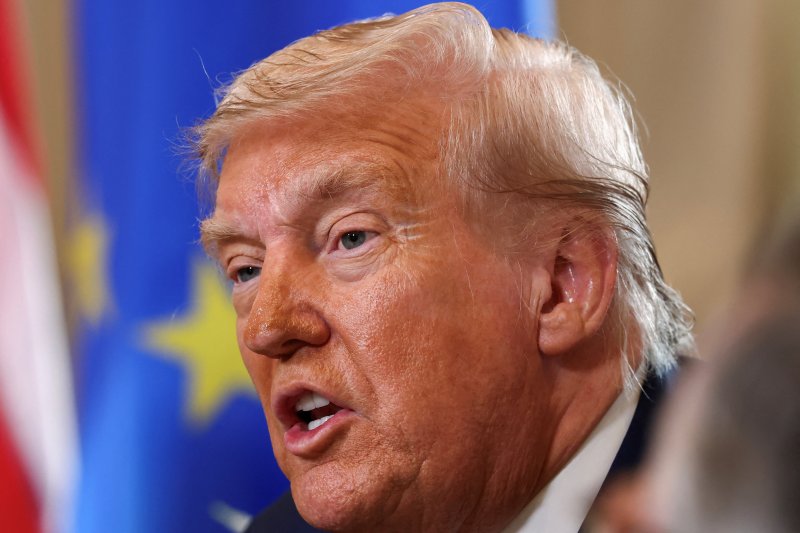
President Trump self-assessed, "This deal is the biggest deal ever made." He continued, "This negotiation conclusion will bring unity and friendship between the US and the EU," he praised. President von der Leyen also responded, "This agreement will bring stability." The relief from avoiding a transatlantic trade war was a bigger statement.
The Ball is Now in South Korea's Court
As Japan and the EU concluded trade agreements with the US under much more favorable conditions than South Korea, the ball is now in South Korea's court. Realistically, like Japan (500 billion dollars) or the EU (600 billion dollars), it is difficult for South Korea to invest a similar amount in the US. Considering the difference in economic scale, it is so.
South Korea has proposed an investment plan of '100 billion dollars + α' to the US. Nevertheless, the US is reportedly still demanding over 400 billion dollars from South Korea, according to US media reports. It is uncertain whether the US will accept the South Korean government's proposal, which has a significant difference from the investment amounts agreed upon by Japan and the EU with the US.
Furthermore, as the EU and Japan have agreed to import US energy, South Korea will also have no choice but to purchase US energy to conclude negotiations by the deadline.
The EU has agreed to import 750 billion dollars worth of US energy, and Japan had to invest in the Alaska Liquefied Natural Gas (LNG) project as a condition to conclude negotiations. Moreover, Japan also opened its automobile and agricultural markets.
The US is strongly demanding South Korea to expand imports of agricultural products and automobiles, including beef over 30 months old. In particular, the US is also demanding the relaxation of digital platform regulations, which big tech companies in the US have raised issues with.
In this regard, President Trump reiterated, "There will be no more extensions or grace periods. Tariffs will be finalized on August 1st." This is a point where the South Korean government cannot help but feel significant pressure.
If South Korea fails to conclude a new trade agreement with the US before August 1st, or even if an agreement is reached, if the tariff rate is higher than that of Japan or the EU, South Korea's export competitiveness in the US market will inevitably fall significantly compared to Japan or the EU.
theveryfirst@fnnews.com Hong Chang-gi Reporter