[Exclusive] "Let's Drive American Cars" Vice Chairman of the Chamber of Commerce Switches to GM... Top 10 Groups Also Join
- Input
- 2025-07-23 16:39:29
- Updated
- 2025-07-23 16:39:29
US-Korea Trade 'Super Week' Unfolds... US Reciprocal Tariffs Imminent
Park Il-jun, Vice Chairman of the Korea Chamber of Commerce, Switches to GM Cadillac
Chamber Sends Letters to Top 10 Groups to Join
"2-3 Groups Also Considering"... Expansion to Agricultural Products
Park Il-jun, Vice Chairman of the Korea Chamber of Commerce, Switches to GM Cadillac
Chamber Sends Letters to Top 10 Groups to Join
"2-3 Groups Also Considering"... Expansion to Agricultural Products
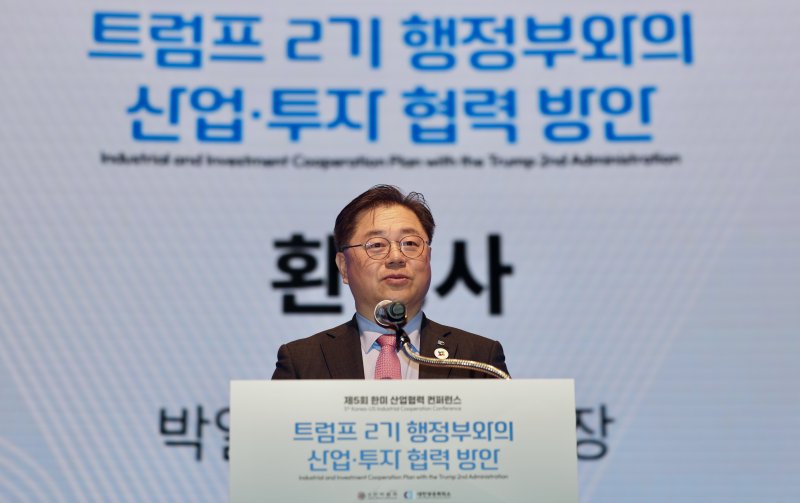
Park Il-jun, Vice Chairman of the Korea Chamber of Commerce, representing Korea's business community, switched his business vehicle from Hyundai Motor Group's Genesis to General Motors (GM) Cadillac Escalade about two weeks ago. This is a proactive response to the US 'Buy America' campaign. Ahead of the US reciprocal tariff imposition deadline (August 1), SK Group also decided to replace about 30 ceremonial vehicles with GM and other American cars. As the heads of economic authorities such as the Ministry of Strategy and Finance and the Ministry of Trade, Industry and Energy prepare for negotiations with the US during 'Super Trade Week,' the business community is also strengthening Korea-US economic cooperation at the private level through the 'Buy America' campaign, including expanding imports of American cars and agricultural products.
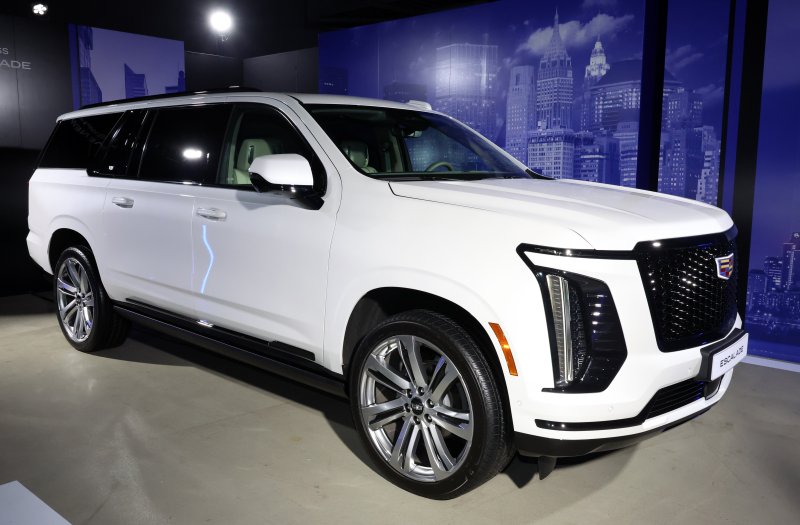
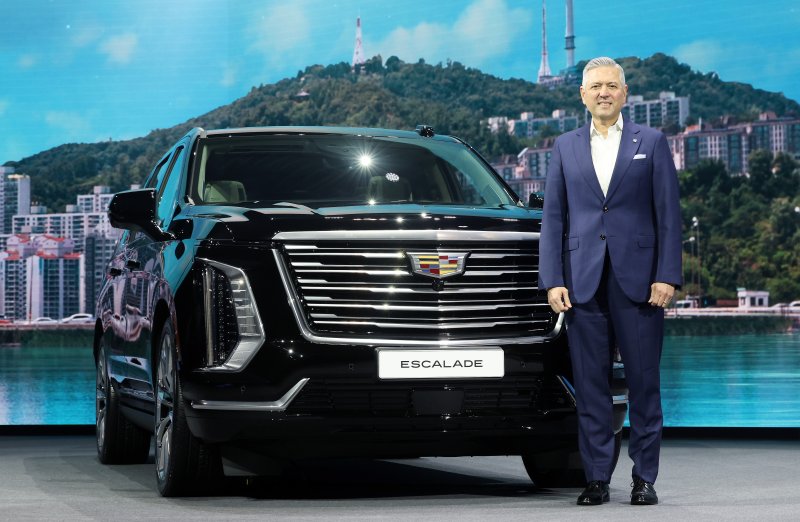
According to the business community on the 23rd, led by the Korea Chamber of Commerce and SK Group, 2-3 of the top 10 domestic groups are reportedly considering replacing some ceremonial and executive vehicles with American cars. The Chamber signed a memorandum of understanding with the American Chamber of Commerce in Korea (AmCham Korea) and Korea GM to support the expansion of sales of American products in the Korean market, and sent a letter to the top 10 domestic groups earlier this month requesting cooperation to include American cars as an option when purchasing or leasing ceremonial and executive business vehicles. Vice Chairman Park said, "As the first symbolic measure, I replaced my business vehicle with GM's Cadillac." The Chamber reportedly sought understanding from Hyundai Motor Group, a major member company, before the American car purchase campaign. Considering factors such as automobile tariffs, Korea-US trade negotiations, and the cooperative relationship between Hyundai and GM, Hyundai also reportedly expressed an understanding stance.
■ Korean Business Community Supports GM Amid 'Withdrawal Rumors'
There is also an aspect of 'soothing Korea GM,' which has recently been embroiled in withdrawal rumors. Korea GM accounted for 470,000 units (17%) of Korea's total automobile exports (2.78 million units) last year, ranking third in total exports after Hyundai and Kia, but its domestic sales ratio is only 5% (export ratio 95%). In addition to feeling management pressure due to the Korean government's strengthening labor regulations such as the Dispatch Act and the Yellow Envelope Act (Labor Union Act amendment), profitability has also weakened since the US government's automobile tariff bomb (25%) was added from April. GM's US headquarters has not assigned new cars to the Korean factory for several years, so there is a forecast that the survival issue surrounding the Bupyeong and Changwon plants will inevitably arise around 2028 when the 10-year bailout agreement with the Korea Development Bank for Korea GM ends. Currently, Korea GM employs about 10,000 people at the Bupyeong and Changwon plants, and it is estimated that about 140,000 people, including 3,000 partner companies and related industry workers, are within its influence.
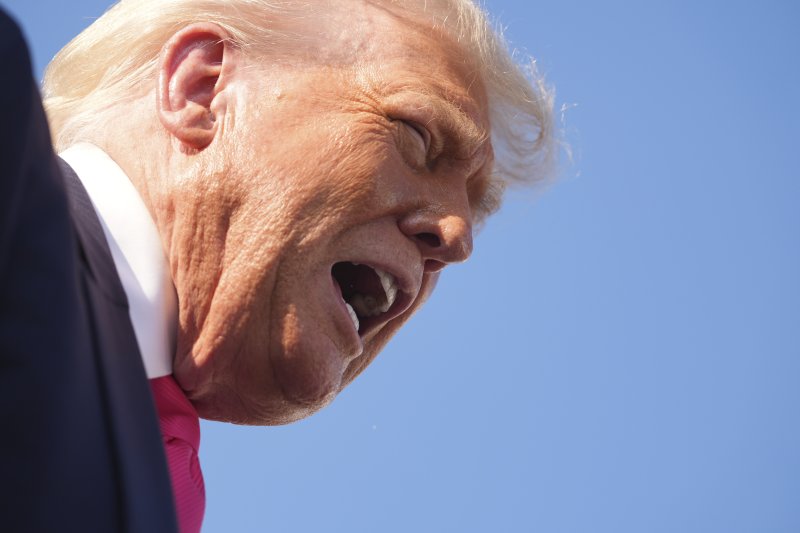
Meanwhile, domestic large retailers such as Homeplus and Lotte also participated in this 'Buy America Campaign.' They aim to alleviate the US tariff pressure on Korea by expanding imports of American agricultural products such as cherries and beef. As the fate of the Korean economy depends on the next week, the business community believes that an all-out effort to persuade the US is necessary. In fact, the pressure on companies is very high. The August Business Survey Index (BSI, surveyed by the Korea Economic Association) has been below the baseline (100) for 3 years and 5 months, and the fear of US reciprocal tariffs becoming a reality has caused a decline for two consecutive months. Lee Sang-ho, head of the Economic and Industrial Headquarters of the Korea Economic Association, said, "The tariff bomb from Trump and the severe demand slump are driving our economy and companies into a very difficult situation," and "The government needs to strengthen its efforts to improve the trade environment."
ehcho@fnnews.com Cho Eun-hyo Reporter