Over 100,000 Babies Cried from January to May... Will This Be a Signal for a Rebound in Births in Korea?
- Input
- 2025-07-23 13:54:47
- Updated
- 2025-07-23 13:54:47
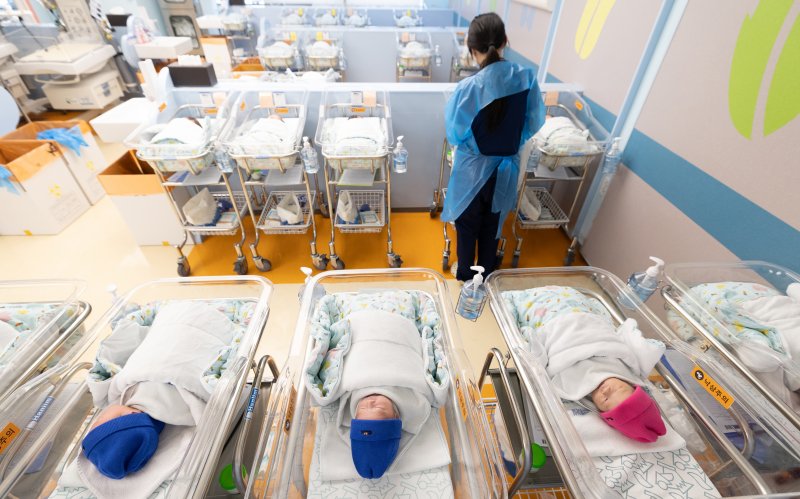
[Financial News] The number of births exceeded 100,000 from January to May this year. This is because the number of births has increased for 11 consecutive months compared to the same month last year. It is interpreted that the increase in marriages, the expansion of the female population in their 30s, and childbirth support policies have had an impact.
According to Statistics Korea's 'May Population Trends' on the 23rd, the number of births in May increased by 741 (3.8%) from a year ago to 20,309. This is the highest for May in four years since May 2021 (21,922). The growth rate was the highest in 14 years since May 2011 (5.3%), and the increase was the largest in 10 years since May 2015 (785).
The cumulative number of births from January to May this year was 106,048, an increase of 6.9% compared to the same period last year. This is the highest cumulative growth rate since related statistics were compiled in 1981. The number of births has been increasing for 11 consecutive months since July last year, and more than 20,000 babies are being born every month this year.
The total fertility rate in May was 0.75, an increase of 0.02 from a year ago. The total fertility rate refers to the average number of births expected for women during their childbearing years. By region, the number of births increased in 12 regions including Seoul and Daegu, while it decreased in 5 regions including Busan and Daejeon.
A Statistics Korea official explained, “The total number of births is on a declining trend, but the increase compared to the same period last year was significant,” adding, “The birth rate within marriage is over 95%, and marriages have been increasing for 14 consecutive months.”
Statistics Korea cited the increase in marriages since last year as the main reason for the increase in births. It also analyzed that the expansion of the female population in their early 30s and childbirth support policies by the government and local governments had an impact. The number of marriages in May increased by 840 (4.0%) from a year ago to 21,761, the highest in six years since May 2019 (23,045). The number of marriages has been increasing for 14 consecutive months since April last year.
In addition, an analysis was also presented that the children of the second baby boom generation (born between 1964 and 1974) were born in the early to mid-1990s and have now reached their early to mid-30s, leading to an increase in marriages and births.
junjun@fnnews.com Choi Yong-jun Reporter