Restrictions on LPG Filling Station Installation in Greenbelt Areas... Supreme Court: "Local Government Discretion"
- Input
- 2025-07-22 15:24:54
- Updated
- 2025-07-22 15:24:54
Lawsuit Filed After LPG Filling Station Installation Denied in Greenbelt Area
Plaintiff Lost in First Trial→Plaintiff Won in Second Trial... Supreme Court Remanded
Plaintiff Lost in First Trial→Plaintiff Won in Second Trial... Supreme Court Remanded
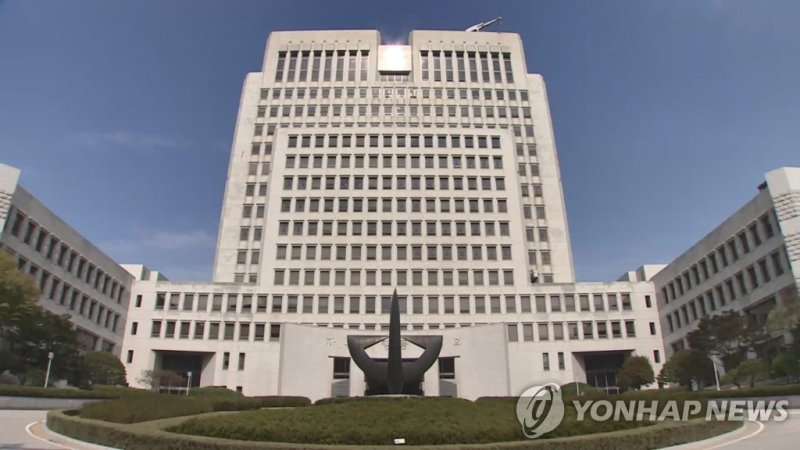
[Financial News] The Supreme Court has ruled that imposing restrictions on the installation of liquefied petroleum gas (LPG) filling stations in greenbelt areas is a matter of local government discretion and is therefore justified.
According to the legal community on the 22nd, the Supreme Court's first division (Presiding Judge Seo Kyung-hwan) overturned the lower court's ruling in favor of the plaintiff, Mr. A, who filed a lawsuit against Siheung City to cancel the decision denying the installation of an LPG filling station, and sent the case back to the Suwon High Court.
Mr. A was granted permission for an LPG filling business in the greenbelt area by Siheung City in October 2022. Later that year in December, Mr. A applied for permission to install a filling station on the land, but Siheung City denied it.
The city cited that Mr. A was not the priority decision-maker according to the filling station placement plan notice and that the land did not meet the criteria of being 'within a 200m radius from a settlement area.'
The first trial dismissed Mr. A's claim, seeing the city's refusal as justified, but the second trial overturned this, stating the refusal was not lawful.
The second trial court judged that the distance restriction regulation was established beyond the delegation scope of the higher law. The distance restriction was set up under the delegation of the Greenbelt Act, but the law did not require considering risks such as disasters caused by the installation of filling stations.
However, the Supreme Court sided with Siheung City, stating that the grounds for the decision were lawful.
The Supreme Court stated, "The defendant established the distance restriction regulation to minimize damage to the greenbelt area and prevent traffic inconvenience, in order to achieve objectives such as preserving the natural environment around the city and ensuring a healthy living environment for urban residents," and "It is difficult to see this regulation as exceeding the delegation limits of the Greenbelt Act or as clearly contrary to or inconsistent with its purpose or fundamental intent."
Furthermore, "The Greenbelt Act aims to prevent disorderly urban sprawl and preserve the natural environment around cities to ensure a healthy living environment for urban residents," and "These objectives should be considered when establishing placement plans," it added.
jisseo@fnnews.com Minji Seo Reporter