Arirang of That Day in History Becomes Today's Song
- Input
- 2025-07-21 13:53:43
- Updated
- 2025-07-21 13:53:43
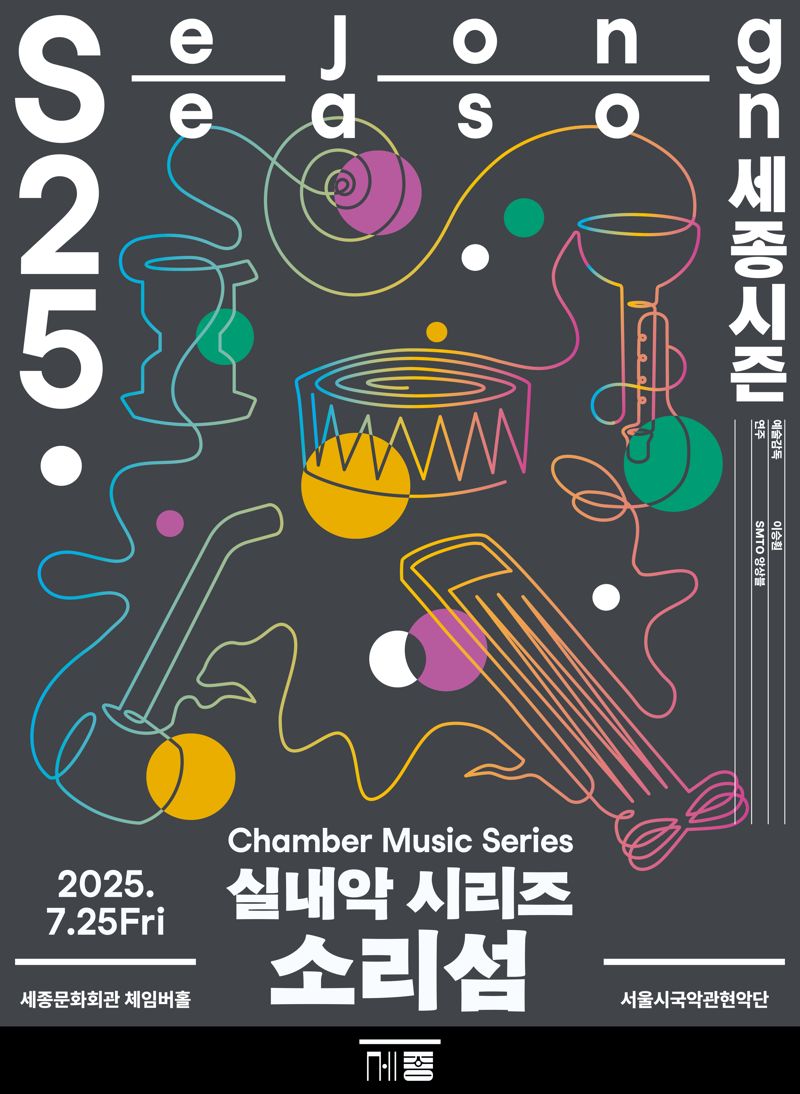
Seoul Metropolitan Traditional Orchestra Chamber Music Series 'Sori Island: Arirang with the Times'
[Financial News] "I want our country to be a nation that moves the world with the power of culture, not a military power."
Before liberation, even in a barren and gloomy era, Baekbeom Kim Gu sought the future of the nation in 'culture'. As that dream unfolds into reality, a concert that reinterprets the folk song 'Arirang', a symbol of the nation, in the form of traditional chamber music is attracting attention.
The Seoul Metropolitan Traditional Orchestra, an art organization under the Sejong Center for the Performing Arts, will present the chamber music series 'Sori Island: Arirang with the Times' at the Sejong Center Chamber Hall in Jongno-gu, Seoul, on the 25th to commemorate the 80th anniversary of liberation.
This performance musically examines how the national song 'Arirang' has changed and been recreated over time. The performance consists of seven traditional chamber music pieces that reconstruct Arirang based on historical events and emotions intertwined with each era. Among them is the 'Gwangbokgun Arirang', which Kim Gu enjoyed singing during his lifetime, expected to deliver a deep resonance.
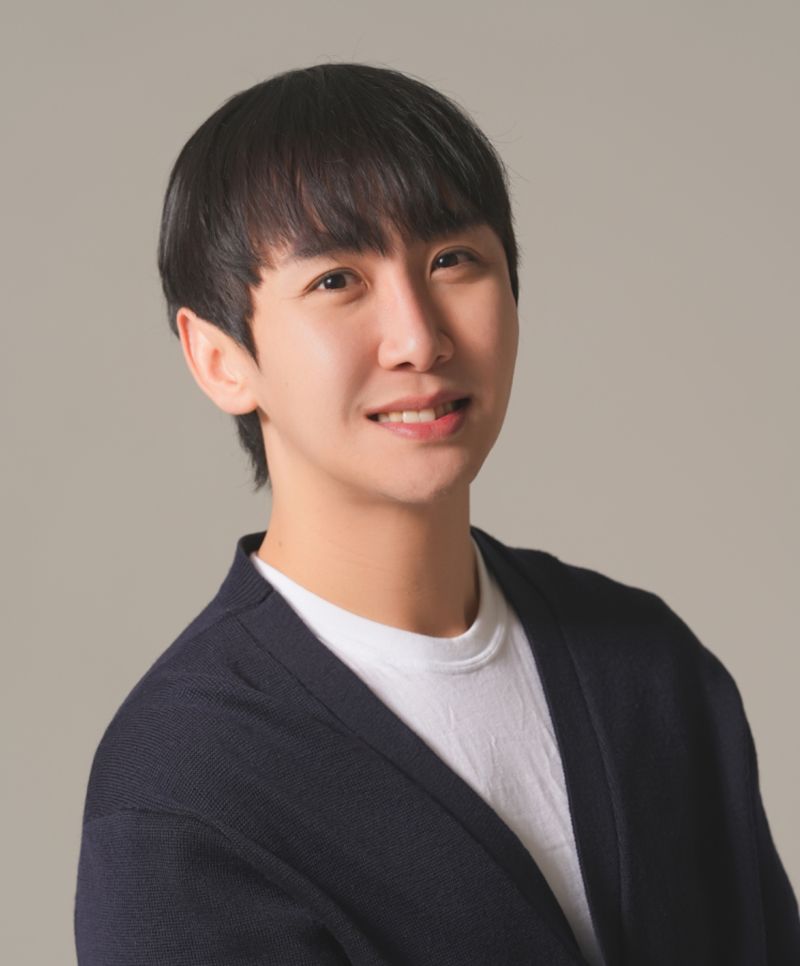
Seoul Metropolitan Traditional Orchestra's director Lee Seung-hwan said, "Arirang is a representative folk song of our nation and has undergone numerous changes, including new creations or lyrics tailored to the times until modern times," adding, "On the 80th anniversary of liberation, we aim to reconstruct Arirang in chronological order and historical events to leave a musical record containing the historical flow."
This stage proceeds in the form of 'narrative without narrative', which unfolds through the flow of music and emotions without explanation.
The first piece of the performance is 'Itsuki Arirang', which has been passed down in the Kyushu region of Japan. Composed of an ensemble of haegeum and piano, this piece evokes the lives and memories of Koreans who settled in Japan after the Imjin War.
The following 'Chuncheon Arirang' revives the turbulent era when the assassination of Empress Myeongseong and the Righteous Army resistance began, centered on Gyeonggi sound with saenghwang, yanggeum, gayageum, and percussion.
'Sangju Arirang' expresses the tragedy of land exploitation during the Japanese colonial period through a diverse ensemble of daegeum, saenghwang, piri, haegeum, gayageum, geomungo, daegeum, and percussion.
'Arirang of Koreans' captures the emotions of displacement of Koreans forcibly relocated to Primorsky Krai by Stalin in 1937 through the deep and heavy tones of daegeum, daegeum, and piano.
The fifth piece 'Gwangbokgun Arirang' reveals the spirit and will of the anti-Japanese armed struggle with the intense melodies of pansori, piri, percussion, and piano.
The following 'Arariyo' conveys the new texture of Arirang's expansion and emotion in the era of globalization, with soprano, haegeum, ajaeng, daegeum, saenghwang, double bass, and piano.
The final piece 'Righteous Army Arirang' embodies the spirit and melody of resistance of the Righteous Army activities in the early 1900s with a fusion of traditional and modern instruments such as daegeum, piri, haegeum, gayageum, ajaeng, cello, percussion, and synthesizer.
The composition and arrangement were participated by resident composer Kim Hyun-seop of the Seoul Metropolitan Traditional Orchestra, along with composers Kim Young-sang and Jung Hyuk. They all take the stage as pianists, completing the work in close harmony with the performers. The performance is led by the SMTO Ensemble, composed of principal and associate principal members of the Seoul Metropolitan Traditional Orchestra.
jashin@fnnews.com Shin Jin-ah Reporter