[fn Editorial] Comprehensive overhaul of countermeasures in response to 'New Normal' extreme heavy rains
- Input
- 2025-07-20 19:31:14
- Updated
- 2025-07-20 19:31:14
Disasters are increasing in scale due to abnormal weather
Construction must meet new standards for disaster prevention facilities
Construction must meet new standards for disaster prevention facilities
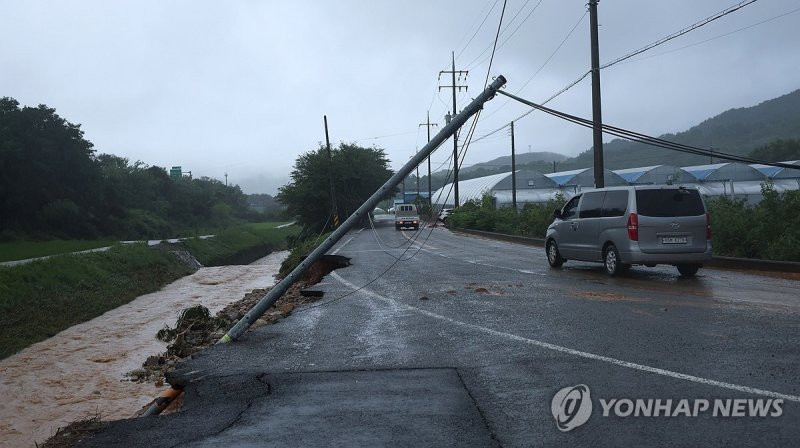
Abnormal weather due to global warming is a worldwide phenomenon. In our country, unprecedented natural disasters such as large-scale wildfires, extreme heatwaves, and floods are repeated every year. Before the monster heavy rain swept across the country, the land was parched due to severe drought. While discussing drought measures, sudden heavy rains poured down, devastating the entire country. The disaster authorities had no choice but to be confused by the sudden and unpredictable weather changes.
The problem is that such rapid climate changes will not be a phenomenon of just one or two years. Abnormal weather is already hitting the entire globe, and the intensity of unprecedented disasters is increasing. Heatwaves and droughts close to 40 degrees have become routine, and the scale of wildfires in dry weather has become massive. We must first realize that climate disasters, once seen only in movies, have become a reality in our country.
Last spring, we suffered significant human and property damage due to wildfires in the Gyeongbuk, Gyeongnam, and Ulsan regions. The unprecedented wildfires revealed problems in the disaster response system as we were caught off guard. This year's wildfires left us with the task of training elite professional firefighting personnel and establishing a wildfire response control tower, and the government must prepare follow-up measures.
Before the damage from the fire could be restored, extreme heavy rains struck without time to respond, and we must discuss countermeasures after recovery. We must carefully examine the causes that exacerbated the damage and inspect the response system. Flood prevention facilities and response manuals are based on past climates, so new standards must be set, and infrastructure must be built accordingly. If disasters cannot be prevented, we must build warning systems and evacuation facilities that allow people to evacuate even a few minutes earlier to reduce human casualties.
For example, drainage and retention facilities are designed based on rainfall standards from decades ago. If the flood response level is 70mm per hour but more than 100mm of rain falls, those facilities become useless. The standards must be raised and reconstructed. The Board of Audit and Inspection also pointed out in March last year that implementing social infrastructure projects such as dams and bridges without scientific climate prediction increased the risk of flooding and collapse.
Climate disasters do not only cause loss of life and property. They can also disrupt the national logistics system and energy supply chain. It can severely impact the national economy as well. The disaster response system is that important. It is difficult to cope with the new normal extreme heavy rains with outdated manuals.
We must establish a system that scientifically predicts and warns of disasters and build more robust disaster prevention facilities. The introduction of early warning systems and rescue systems using advanced scientific technologies such as artificial intelligence and drones must be expedited. There is also a need to newly establish a control tower for effective disaster response. An efficient manual must be created so that inter-departmental collaboration can be easily achieved on-site.