[Report] "6·27 Measures Balloon Effect? It's Just the Beginning".. Visiting This Neighborhood Predicting a Bull Market
- Input
- 2025-07-20 14:31:08
- Updated
- 2025-07-20 14:31:08
Dobong-gu Real Transaction Recovery Stretches.. 'Geumgwang-gu' Takes a Breather
Seoul Suburbs, Reflective Benefits of Regulations "Temporary Low-Cost Purchase Effect"
Seoul Suburbs, Reflective Benefits of Regulations "Temporary Low-Cost Purchase Effect"
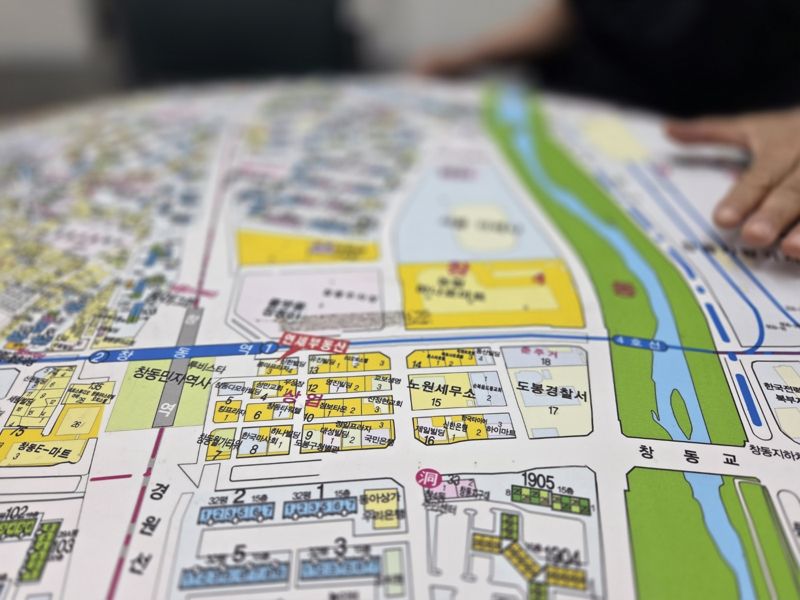
[Financial News] “The biggest beneficiary area? The atmosphere has changed a bit, but it's not just because of the 6·27 loan regulations.”
On the 19th, a certified real estate agent near Chang-dong Station in Dobong-gu, Seoul, said this when asked about the recent market atmosphere. Dobong-gu has seen apartment prices turn upward this year, driven by major transportation benefits such as the Chang-dong vehicle base complex development and GTX-C, with signs of real transaction recovery appearing in some complexes. On the other hand, Geumgwang-gu (Geumcheon, Gwanak, Guro), which saw a strong upward trend immediately after the 6·27 measures announcement, has both buyers and sellers in a wait-and-see mode.
■Dobong-gu Uptrend.. Signs of Real Transaction Recovery
As the third week of the 6·27 loan regulation implementation begins, the market temperature difference is becoming clear, focusing on the outskirts of Seoul. According to the Korea Real Estate Board's weekly apartment price trends, Seoul apartment prices rose 0.19% in the second week of July (as of the 15th), slowing from the previous week (0.29%). However, Dobong-gu (0.05%→0.06%) and Jung-gu (0.16%→0.18%) saw a slight increase in the rate of increase.
A real estate agency in Dobong-gu said, “With most urgent sales almost exhausted, transactions close to previous highs are appearing one by one,” adding, “Inquiries from end-users and some investors continue for various sizes such as 84㎡ and 165㎡.” They continued, “After the 6·27 measures, it is true that interest is gathering in mid-to-low-priced areas like Dobong-gu, where loan conditions are relatively maintained, but what ultimately moves the market now are liquidity-based demanders driven by development expectations.”
According to the Seoul Real Estate Information Plaza, the number of apartment transactions in Dobong-gu increased from 155 in May to 289 in June, but as of the 20th of July, it remains at 51. Although the transaction volume has somewhat paused due to regulatory effects, the price uptrend is expected to continue.
Another real estate agency representative in Dobong-gu said, “As the perception that the bottom was hit last year spreads, inquiries from end-users are increasing, and asking prices are recovering quickly,” adding, “With future benefits such as GTX-C and Chang-dong vehicle base development still present, it is said that this is just the beginning of recovery.”
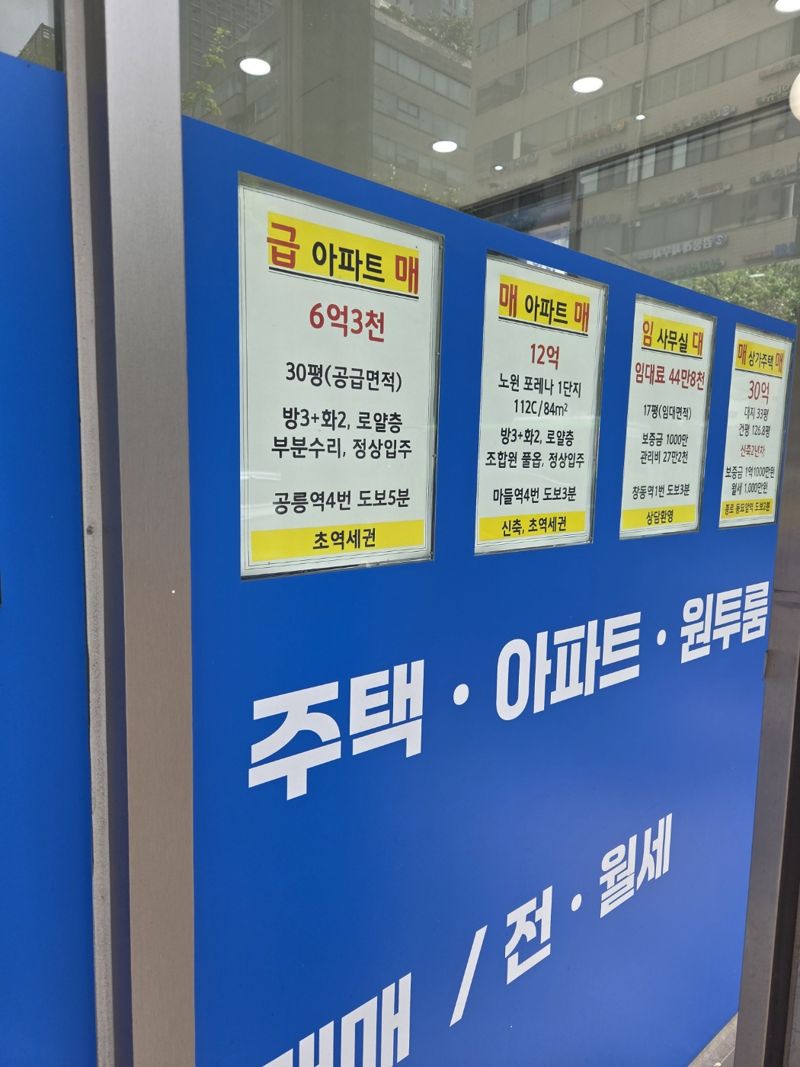
■Geumgwang-gu Takes a Breather.. Clear Decline in Transaction Volume
On the other hand, Geumgwang-gu, which had highlighted balloon effect expectations immediately after the 6·27 measures, has seen its upward trend weaken. During the same period, Geumcheon-gu's increase rate shrank from 0.09% to 0.07%, Gwanak-gu from 0.19% to 0.15%, and Guro-gu from 0.18% to 0.12%.
A real estate agency in Siheung-dong, Geumcheon-gu, said, “The asking price briefly spiked, but inquiries have decreased again,” adding, “Both gap investors and end-users are in a wait-and-see mode.” A certified real estate agent in Gwanak-gu also said, “There was intermittent gap investment demand mainly for older small-sized units with low jeonse deposits, but now even jeonse prices are not rising, and purchases have stopped.”
According to the Seoul Real Estate Information Plaza, Geumcheon-gu's apartment transaction volume increased from 74 in May to 135 in June, but as of July (20th), it remained at 25. Gwanak-gu's volume decreased from 222 to 294 to 54, and Guro-gu's from 678 to 462 to 84, showing a clear decline in transactions.
A real estate agency in Gaebong-dong said, “Even urgent sales have only been reduced by 10 to 20 million won, and such properties were already sold in the first half,” adding, “Buyers are in a wait-and-see mode, and sellers are holding out.” In conclusion, as the number of listings itself decreases, the transaction volume also shows a contracted market flow, making it difficult to say that a balloon effect is occurring.
An expert in the real estate industry said, “Seoul's outskirts tend to respond sensitively to regulatory changes, but market trends can vary depending on the proportion of new constructions, location conditions, and end-user preferences,” adding, “Currently, the market is close to a transaction cliff, and the ‘balloon effect’ is likely to remain a short-term trend limited to certain areas.”
en1302@fnnews.com Jang In-seo Reporter