Even if profits increased due to 'price collusion'... Supreme Court: "Fines cannot be offset against damages"
- Input
- 2025-07-20 11:19:44
- Updated
- 2025-07-20 11:19:44
Fair Trade Commission, imposed a fine of 15.9 billion won for 'price collusion' actions
"The representative must compensate the company for damages"... Shareholders sue
Representative's side claims "Operating profit more than doubled... Cannot conclude damage"
"The representative must compensate the company for damages"... Shareholders sue
Representative's side claims "Operating profit more than doubled... Cannot conclude damage"
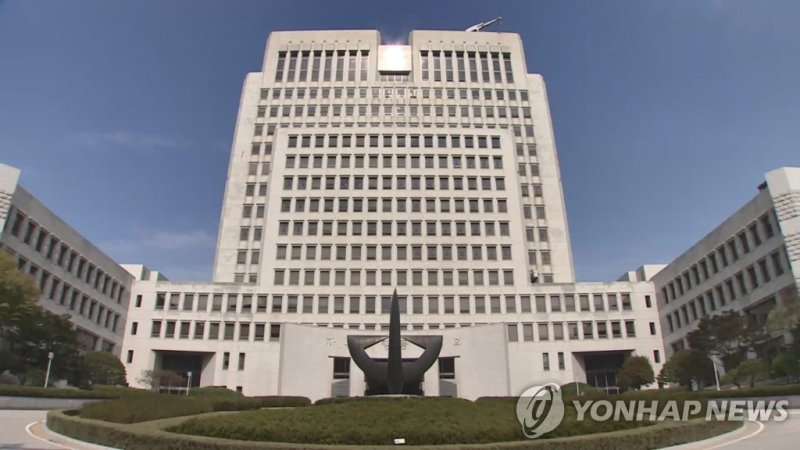
[Financial News] Due to the 'price collusion' actions of the CEO, the company suffered a loss of hundreds of billions of won in fines. However, if the company's performance, which was struggling due to price collusion, recovered, would the CEO's liability for damages be reduced?
According to the legal community on the 20th, the Supreme Court's 3rd division (Chief Justice Lee Heung-gu) confirmed the original ruling in favor of some plaintiffs in a shareholder derivative lawsuit filed by shareholders of Company A against Company B's representative.
The Fair Trade Commission detected that B, the representative of Company A, which sells portable butane gas, colluded with representatives of companies in the same industry nine times from 2007 to 2012, and imposed a fine of 15.96 billion won on Company A in 2015.
Company A and B were prosecuted for violating the Fair Trade Act and were each sentenced to a fine of 150 million won.
Shareholders filed a lawsuit against B, claiming that the fine was imposed due to B's price collusion, causing damage to the company. They argued that B should compensate 42.2 billion won for the damage caused to Company A.
The first trial ruled, "The defendant violated the Fair Trade Act by colluding on prices, causing the company to spend 15.96 billion won in fines, so the defendant is liable for the damages incurred by the company," siding with the shareholders.
However, the liability for damages was limited to 60%, and B was deemed to compensate 9.58 billion won. The first trial court explained, "The defendant appears to have colluded to prevent the deterioration of the company's financial performance due to market competition and rising raw material prices, and the personal profit obtained by the defendant is unclear."
During the trial, B argued, "In the portable butane gas market, bleeding competition continued, worsening the company's financial performance, and the price collusion resulted in operating profit and net income more than doubling, so it cannot be concluded that the company suffered a loss." The argument was that since the profit was similar in scale to the fine, the company did not suffer a loss.
However, the court pointed out, "Even if a profit was made due to price collusion, it is merely due to not claiming compensation for the damage caused to market participants," and "it cannot be concluded that the company acquired a profit as a result."
The Supreme Court's judgment was the same as the second trial. The Supreme Court stated, "Even if a profit occurred to the company due to a violation of the law, considering such profit as an offset against losses would encourage violations of the law and the company's crime, and contradict the fundamental purpose of the damage compensation system, so it cannot be allowed."
jisseo@fnnews.com Minji Seo