Infectious Disease Alert Due to Heavy Rain... "Prevent with Clean Water and Handwashing"
- Input
- 2025-07-18 10:21:09
- Updated
- 2025-07-18 10:21:09
Concerns of Waterborne, Mosquito-borne, and Contact Infectious Diseases Spreading
Caution Against Group Infections in Temporary Shelters for Disaster Victims
[Financial News] The Korea Disease Control and Prevention Agency announced on the 18th that it has requested local governments nationwide to promote infectious disease prevention, strengthen surveillance, and control vectors such as mosquitoes to prevent the spread of various infectious diseases that may occur after the heavy rain disaster alert level was raised to 'Severe' on the 17th.
Caution Against Group Infections in Temporary Shelters for Disaster Victims
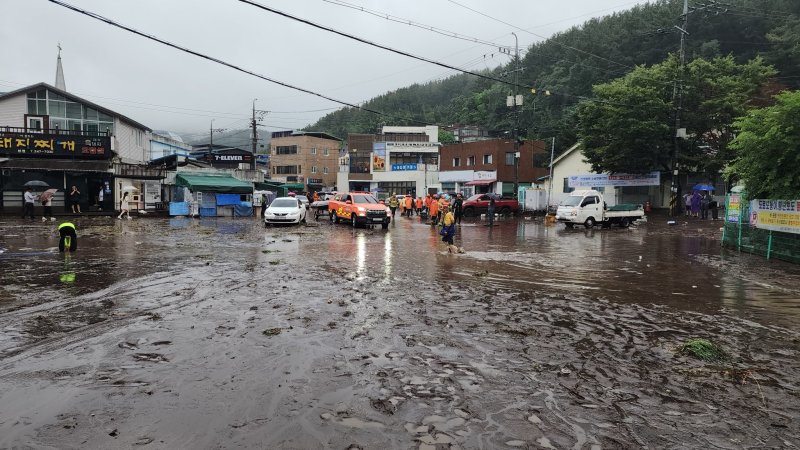
Infectious diseases of concern after the disaster include waterborne and foodborne infectious diseases (intestinal infections, Hepatitis A, bacterial dysentery, typhoid fever, etc.) due to contaminated water and food, mosquito-borne diseases (malaria, Japanese encephalitis) due to an increase in mosquitoes, contact dermatitis due to contact with contaminated water, leptospirosis, and eye infections.
The Korea Disease Control and Prevention Agency emphasized, "In flood-affected areas, it is essential to adhere to hygiene rules such as consuming safe water and cooked food and washing hands for more than 30 seconds," and "During flood recovery work, it is important to minimize skin exposure with waterproof gloves and wash thoroughly after work."
During floods, intestinal infections, Hepatitis A, bacterial dysentery, and typhoid fever can spread through contaminated water due to sewer overflow. To prevent this, wash hands with soap before and after cooking and before meals, and consume bottled or boiled water and cooked food. Also, discard ingredients that may be contaminated or food that has not been kept refrigerated, and people with wounds on their hands or diarrhea symptoms should not participate in cooking.
With puddles formed after rain, the risk of mosquito-borne diseases such as malaria and Japanese encephalitis increases. Follow mosquito avoidance rules such as removing stagnant water, checking screens, using mosquito repellents, and avoiding going out at night.
Contact with contaminated water can lead to leptospirosis, contact dermatitis, and eye infections (epidemic keratoconjunctivitis, etc.). In particular, leptospirosis is transmitted through water contaminated with the urine of rodents or livestock, and the risk of infection increases when exposed after heavy rain.
During recovery work in flooded areas, wear waterproof clothing, boots, and rubber gloves to prevent skin exposure, and wash with clean water after exposure.
In crowded environments such as temporary shelters for disaster victims, the risk of group respiratory infections is also high. Therefore, adhere to basic preventive measures such as handwashing and regular ventilation.
The Korea Disease Control and Prevention Agency is responding quickly to infectious disease outbreaks through a 'emergency quarantine system' in cooperation with public health centers nationwide and is operating a 24-hour emergency work system.
Im Seung-gwan, Director of the Korea Disease Control and Prevention Agency, urged, "To prevent infectious diseases during a disaster, it is crucial to strictly follow personal hygiene rules," and "If you have symptoms such as diarrhea or fever, please report it to the public health center promptly."
vrdw88@fnnews.com Kang Jung-mo Reporter