Disqualified if you have a son... Support only for families with daughters
- Input
- 2025-07-15 06:43:05
- Updated
- 2025-07-15 06:43:05
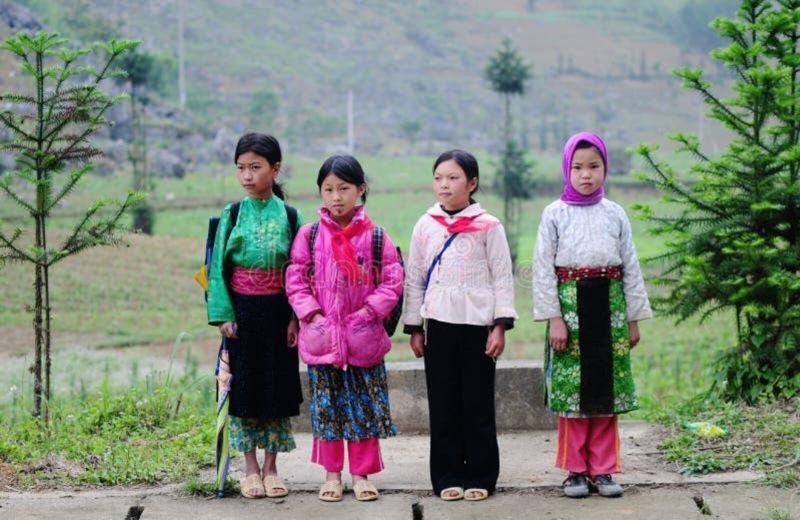
[Financial News] The Vietnamese government has officially begun reviewing a cash and material support policy targeting 'families with only daughters'. This measure simultaneously targets the issues of low birth rates and severe gender imbalance, aiming to restore birth rates and break the culture of son preference.
According to the announcement by the Vietnamese Ministry of Health on the 14th, Đào Hồng Lan, the Minister of Health, first revealed the direction of the policy during a World Population Day event held in Hanoi on the 11th, stating, “We are preparing a new policy framework to address population issues at both regional and national levels.”
The main measures proposed by the Ministry of Health include incentives for child-rearing, support for prenatal and postnatal health check-up costs, housing subsidies for families with children, and special incentives for 'families with only daughters'. Such policies are causing significant repercussions in Vietnamese society, where the long-standing culture of son preference remains.
In 2024, Vietnam's total fertility rate was 1.91 children per woman, falling below the replacement level of 2.1 for the first time. Simultaneously, the birth gender ratio was 111.4 boys per 100 girls, significantly exceeding the natural ratio (105:100), indicating a persistent aversion to female children.
This is not the first time policy interventions have been made to correct such imbalances. The Vietnamese government has been campaigning to improve the culture of son preference for several years, but deep-rooted traditions still remain in rural and some ethnic minority areas.
The Ministry of Health stated that teenage pregnancies, early marriages, and consanguineous marriages are still frequent in the central highlands and northern mountainous regions, accounting for 21.9% of all births. This is interpreted as a result of a lack of education and weak regional health infrastructure.
Additionally, Vietnam is rapidly aging. Although the average life expectancy is increasing, the average age of healthy survival is only 65, and many elderly people live with chronic diseases.
Accordingly, the Vietnamese government has announced the establishment of a comprehensive national health and population plan from 2026 to 2035. The plan will include mandatory premarital health check-ups, support for congenital disease treatment, strengthening elderly care systems, and expanding tuition reductions or scholarships for students majoring in geriatric medicine.
jjw@fnnews.com Jung Ji-woo Reporter