[Seocho Forum] Continued Employment for the Elderly Should Be Left to Market Functions
- Input
- 2025-05-27 18:34:30
- Updated
- 2025-05-27 18:34:30
Low birth rates and rapid aging are causing a decline in the working-age population for the first time in our history. Industries requiring skilled labor, such as the root industries that form the backbone of manufacturing, including casting, molding, welding, surface treatment, plastic processing, or heat treatment, as well as construction, logistics, and transportation, are facing even greater difficulties. The reluctance of the youth to find employment and the difficulty of production automation are particularly problematic.
Korea ranks first in the world with 1,012 industrial robots per 10,000 workers, and many processes in system companies such as automobile and electronic device manufacturers have been automated or smartened. However, many processes in their primary, secondary, and tertiary subcontractors still rely on labor. The labor dependency is so high that if one worker is absent, the production process may be halted. The retirement of one elderly worker could also cause production disruptions.
According to the Ministry of Employment and Labor, the manpower shortage rate in manufacturing is 3.0%, in construction 2.1%, and in transportation and warehousing 5.4%. In manufacturing, 18.3% of jobs are not filled in time, and in transportation and warehousing, this number reaches 34.8%. According to the Root Industry Promotion Center, the shortage in the root industry was 2,568 people in 2018 but surged to 18,232 people in 2023, increasing more than sevenfold in five years.
In this situation, continued employment for the elderly is one of the recent topics. For example, the Economic, Social, and Labor Council suggests maintaining the statutory retirement age at 60 but mandating reemployment after retirement for those who wish to continue working until the age of receiving national pension benefits starting in 2028. Although it is a 'public interest committee suggestion' and lacks enforcement power, it could become a subject of debate. The Democratic Party has already launched a task force on extending the retirement age.
The question is whether continued employment for the elderly should be pursued through legislation. It is judged not to be a good idea. First, a uniform approach may not consider the specific circumstances of companies and could stifle their creativity while reducing employment opportunities for the elderly. According to a 2022 survey by the Ministry of Employment and Labor, about half of businesses with 300 or more employees are operating a wage peak system and a reemployment system for retirees. Meanwhile, the CEO of a cosmetics container manufacturing company in Bucheon, which I visited, said, "Half of the new employees are selected from retirees," and "these days, the elderly are not physically different from the youth, and they have accumulated skills and experience, resulting in high job performance. If they wish, I would let elderly new employees work for about 20 more years."
Even without legislation, reemployment of the elderly is already being activated, and the forms and methods of employment are creatively diversified according to the conditions of each company. Clumsy and uniform intervention by the government or the National Assembly could further weaken the employment flexibility of our companies, which is among the worst in the world, and could lead to the disappearance of workers' jobs due to deteriorating corporate performance. Legislation could ultimately be harmful to both companies and the elderly.
On the other hand, according to an analysis by an expert, if the retirement age is uniformly extended to 65 and the current seniority-based pay system is maintained, the annual employment cost of the current 600,000 to 640,000 workers aged 60 to 64 could exceed 30 trillion won. This is a scale that could allow for the hiring of about 900,000 young people. A uniform extension of the retirement age could weaken the capacity to hire young workers and damage the future innovation capabilities of our companies.
Ultimately, mandatory employment for the elderly could stifle the creativity and spontaneity of the private sector, cause social conflicts related to employment between generations, and weaken competitiveness. Despite the good intentions of uniform legislation, there is a risk that the side effects could outweigh the achievements. From this perspective, reemployment of the elderly should be pursued by accurately analyzing market trends and providing incentives to activate market functions.
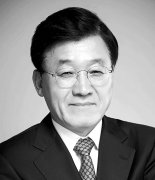
Jung Manki, Chairman of the Korea Industry Association Forum